
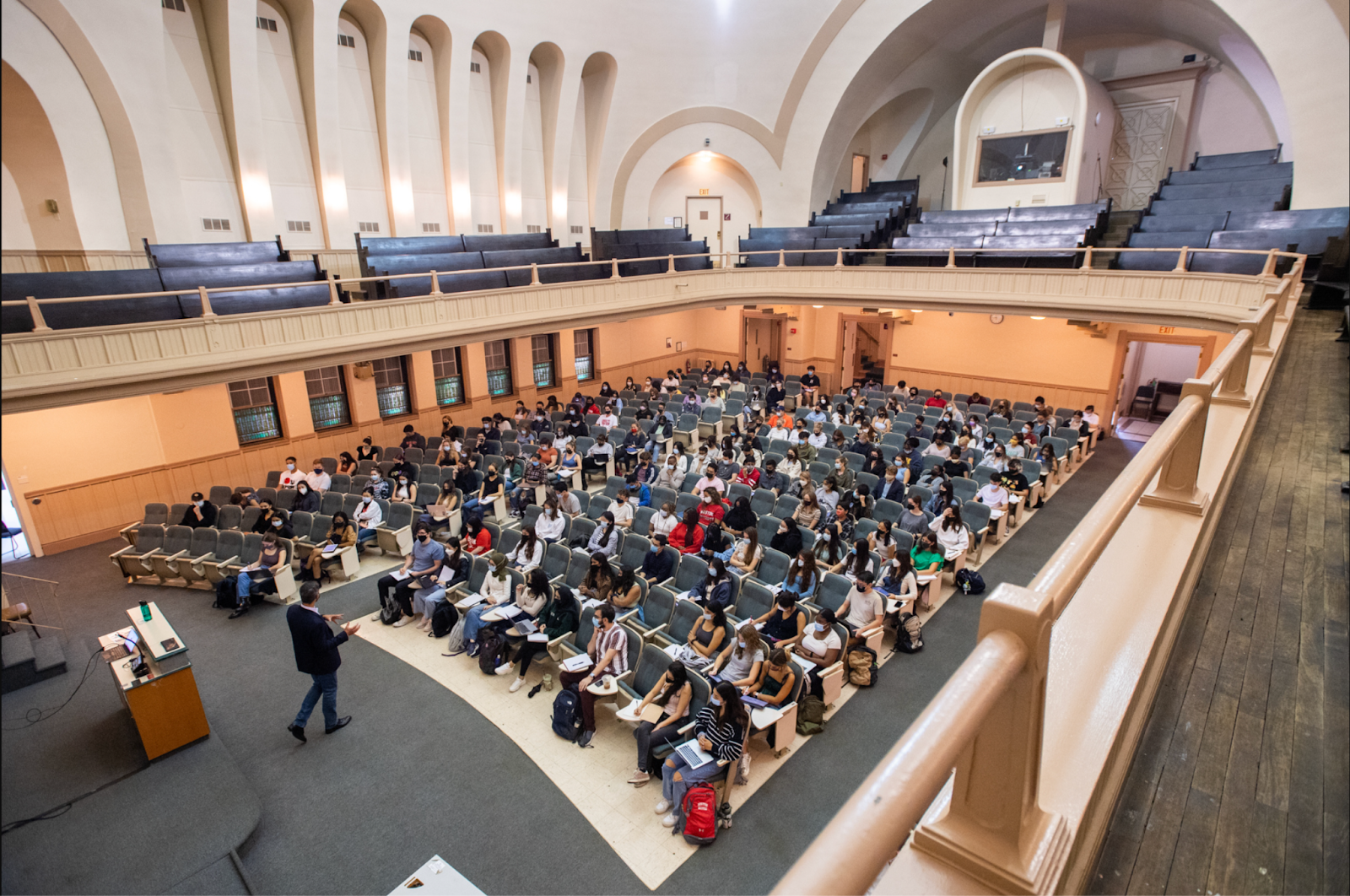
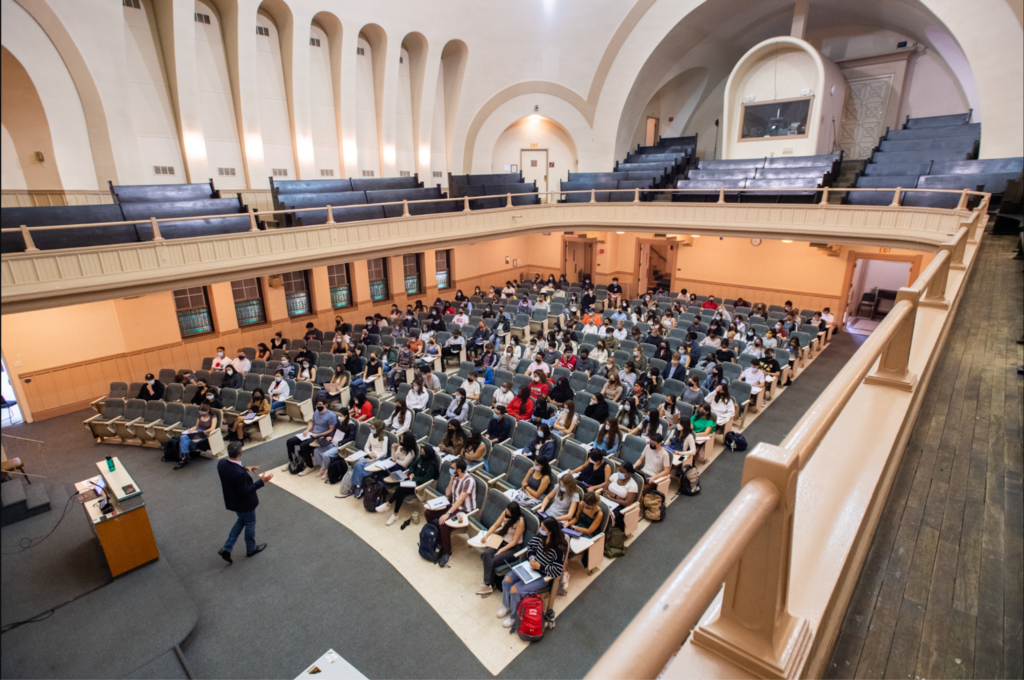
When I first packed my bags for the U.S., I thought I was fully prepared. I knew that American classrooms emphasize active participation and discussion. I told myself that I would speak up more and try to join conversations. So when I walked into my first CO 101 discussion class, I actually felt a little confident.
That confidence disappeared very quickly. I realized this was not just a cultural difference. It felt like a real shift in how classrooms worked.
The discussion was led by two discussion facilitators. Unlike the classes I was used to, they didn’t spend much time reviewing the lecture. Instead, they started asking questions right away. For example, they asked, “What do you think is the central argument?” or “Do you agree with the author?”
At that time, I was still thinking about the lecture. I was trying to remember key points, but when some classmates started speaking, I noticed how fast the discussion moved. You couldn’t wait until your thoughts were perfect. You had to speak while you were thinking. If you waited too long, the moment was gone.
As a non-native speaker, this was tiring. Every time I wanted to talk, I had to go through a small process in my head. First I translated the question into Chinese. Then I organized my ideas. Then I tried to turn them back into English. By the time I finished, the discussion had already moved on. So during the first few weeks, I mostly listened.
There were also smaller cultural differences. For example, classroom humor. Sometimes the DFs or students mentioned American TV shows or campus jokes. Everyone laughed, but I didn’t always understand why. I smiled politely, but I felt a little disconnected from the moment. Group discussions also felt uncomfortable at first. We sat in circles, and there was no order for speaking. People spoke whenever they had ideas. Sometimes they even talked at the same time. I kept waiting for my turn, but later I realized there was no such thing as a “turn.”
Slowly, I understood that this wasn’t a competition.
If you started speaking, others would stop and listen. You didn’t need permission. You just needed to join in. After some time, I started to adjust. Before class, I wrote down two or three points in my notebook. This helped me feel more prepared. The first time I raised my hand, I was very nervous. I could feel my heart beating fast. But when I finished speaking, no one judged my accent or grammar. They simply responded to my ideas.
That moment helped me relax.
Looking back, I learned much more than the course content. I learned a new way of participating in class. I realized that American classrooms are not places where you wait until you are fully ready. They are spaces where you speak, think, and learn at the same time.
I am still not the most active speaker in class, but I am no longer just sitting quietly. I have slowly found my own pace and place in this discussion environment.

Leave a Reply