
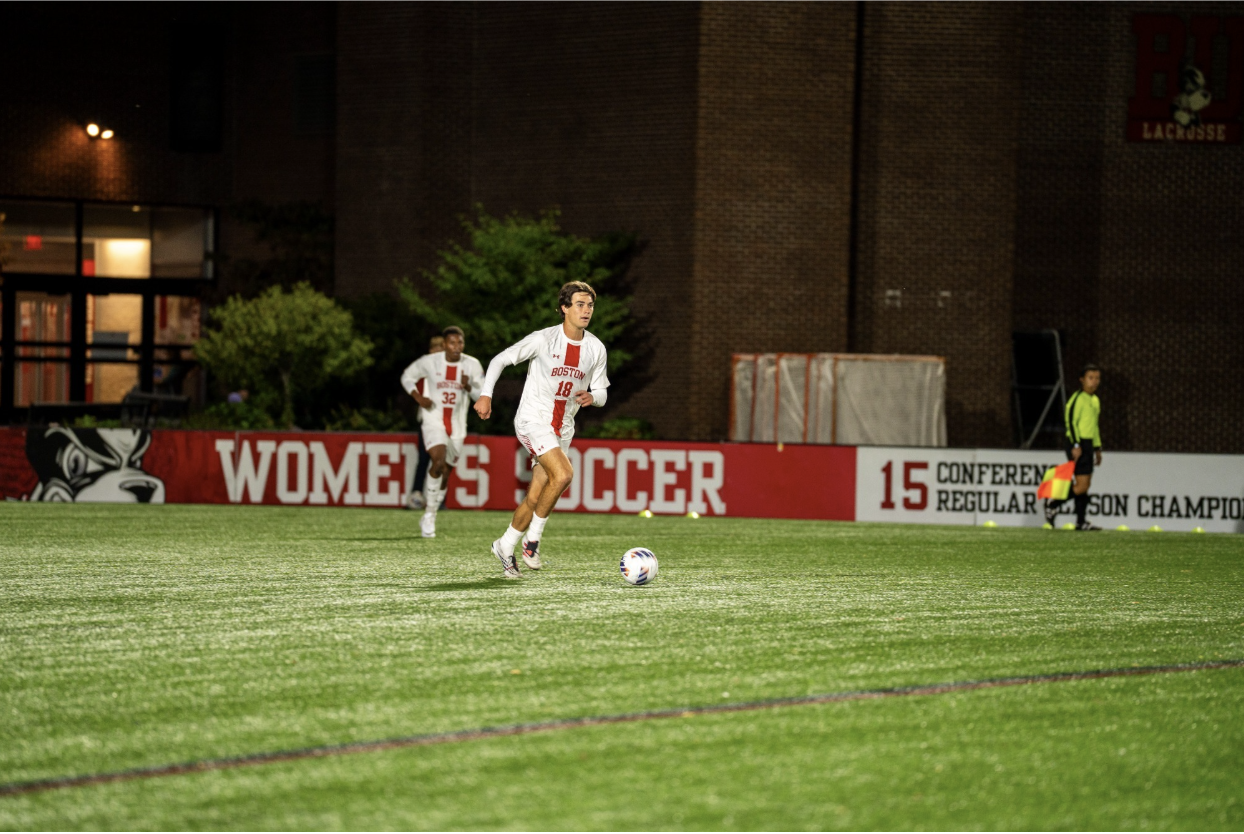
Yan Diomande, a rising soccer star, moved to Real Madrid for a fee of more than 125 million euros, according to ESPN. To the world, that’s just another immensely talented player joining the biggest club in the world. For American players, the transfer could carry a deeper meaning.
At age 15, Diomande moved to the U.S. to play for DME Academy, despite not knowing English. He then played semipro soccer for AS Frenzi in the UPSL before catching the eye of Leganés, in Spain’s second division. Next, he moved to RB Leipzig in Germany and then, less than a year later, to Real Madrid.
What does this mean for aspiring American teenagers? Reaching the biggest European clubs without coming through a top European academy is possible, but very uncommon. The numbers tell the story: About 485,000 boys play high school soccer in the U.S., according to the National Federation of State High School Associations. Of those, fewer than 6% go on to play in college. Of those college players, only 1.4% get drafted into Major League Soccer, according to NCAA research. The NCAA also found that 66% of Division I players think they will go pro, but fewer than 2% do, and fewer still make the jump from MLS to European soccer.
Several American players now playing in Europe took a different path than the typical “school-to-pro” route. Christian Pulisic, captain of the U.S. men’s national team, moved to Germany to join Borussia Dortmund’s academy at age 16. Gio Reyna, Weston McKennie, and Tyler Adams followed a similar route, leaving the U.S. as teenagers for German academies. The pattern suggests that, for players who want to develop at an elite level, Europe is where it happens, and the earlier the move, the better the chance of breaking through professionally.
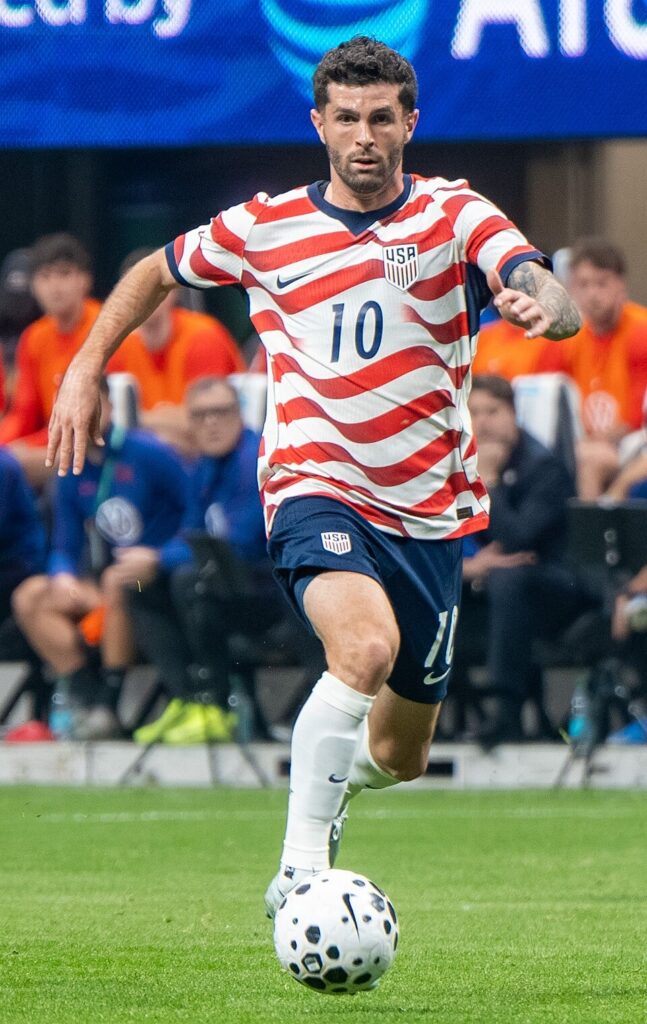
To understand what those odds feel like up close, I spoke with a former Boston University men’s soccer player.
Bashir Khalil, BU ’26, played four years at BU. He now plays in Germany for a 5th division team while also pursuing his FIFA Agent License. But did he think he would make it professionally?
“Honestly? Yeah” he said. “When you’re 19 and playing games in college, you think there’s a chance. Every guy in that locker room thinks he can make it. You have to believe that, or you wouldn’t survive preseason.”
Despite playing in Europe he knows it’s not easy to make it to the highest level of European soccer. “That was the dream, for sure,” he said. “You watch the Champions League and you picture yourself there. But deep down I knew. Once you’re playing D1 soccer in the U.S., that ship has mostly sailed unless you’re a total anomaly. I still love the game more than anything, though. That part never left.”
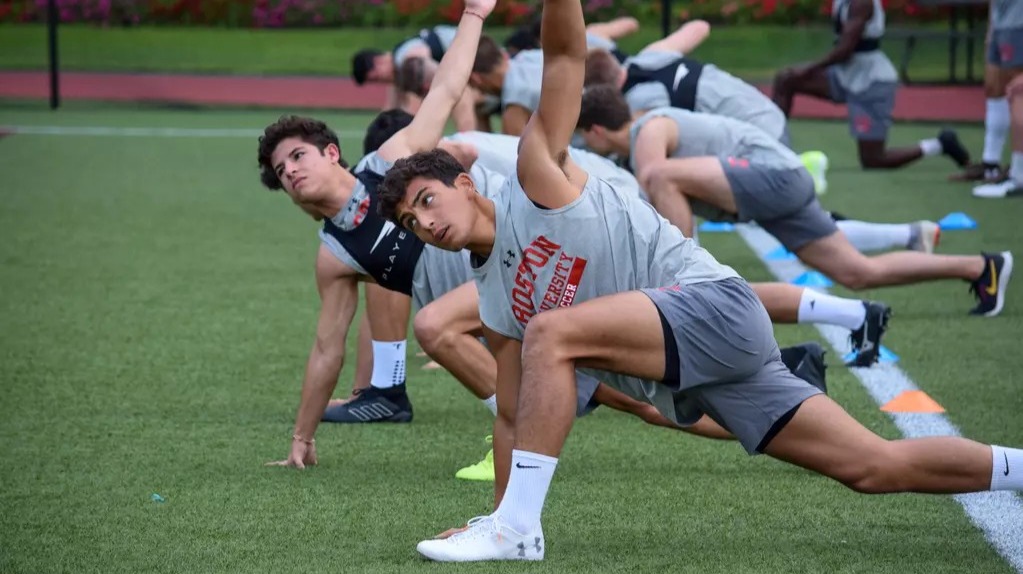
Talent is only one hurdle. Moving to a European academy as a teenager brings other obstacles. First, a player must be talented enough to earn a trial and/or an offer. Second, many families cannot move to another continent, which means sending a teenager alone to a country with a different language and culture is a difficult decision for any parent. Finally, there is significant paperwork involved, and for some players the visa process becomes the biggest obstacle of all.
It’s still possible to build a long professional career in MLS after college, but the move from MLS to Europe is uncommon. Clint Dempsey, one of the greatest American players of all time, rose from the New England Revolution to Fulham in the English Premier League, one of the few outfield players to make that jump. Among goalkeepers, Matt Turner went from New England to Arsenal and Zack Steffen moved from the Columbus Crew to Manchester City. Outside of those cases, the MLS-to-Europe pipeline remains thin, and it is not a path young American players should count on.
The U.S. built its soccer structure on the same school-to-pro model it successfully relies on for other sports. That system works for producing domestic professional players. But for players whose goal is to compete for the biggest clubs in the world, the evidence points toward leaving the country early. FIFA estimates more than 250 million people play soccer worldwide, making the competition for elite roster spots fierce. For an American teenager with that dream, an opportunity to train abroad is worth serious consideration. Otherwise, a career in Europe remains a long shot.
Ayoub is a senior at Boston University, studying media science with a minor in computer science. He plans on working as a marketing analyst at a sports or media company.
Sources:
NCAA. (n.d.). Probability of competing beyond high school. https://www.ncaa.org/student-athletes/probability-of-competing-beyond-high-school/
ESPN. http://espn.com/soccer/story/_/id/49215309/yan-diomande-completes-big-money-transfer-real-madrid-rb-leipzig
National Federation of State High School Associations participation data, via NCAA research.
FIFA. (2007). FIFA Big Count 2006: 270 million people active in football. https://digitalhub.fifa.com/m/55621f9fdc8ea7b4/original/mzid0qmguixkcmruvema-pdf.pdf2006
NCAA. (2020). GOALS study: Division I results. https://ncaaorg.s3.amazonaws.com/research/goals/2020D1RES_GOALS2020con.pdf
NCAA. (2018). Recruiting facts. https://collegiatewaterpolo.org/wp-content/uploads/2020/07/NCAARecruiting-Fact-Sheet-WEB.pdf



Leave a Reply