Does “any publicity is good publicity” hold true in the age of social media?

Recently, it seems every advertisement is embracing controversy. In September alone, Converse, Novig, and Good Good Golf/Callaway advertisements all created shock waves and sparked heated debate across the nation.
This recent pattern raises the question: Why is every ad trying to polarize and alienate consumers instead of making them want to purchase from the brand? Are we Gen Zers, too sensitive? Or do brands simply not care about backlash as long as the audience they’re targeting responds well?
Novig’s “Just Sports” ad starring Sydney Sweeney, confused me. I didn’t know what product or service they were trying to sell. The ad depicted Sweeney, almost nude, using sports equipment to hide her body, while repeating “just sports.”
An ad this controversial could have one of two effects. It could cost the brand its audience. Or it could drive people to the website or social media and drive engagement, creating the illusion of a successful campaign.
Novig lost its female market while female pro athletes spoke out against the ad. “It’s not a joke when your life is actually you being a female athlete, and being sexualized,” said Olympic skier Cassidy Gray. “You’re not taken seriously.”
However, an ad that stopped women from watching or buying was the same ad that drove engagement with men, the primary market for sports betting. According to a survey by St. Bonaventure University, 48% of American men ages 18-49 have a sports betting account. Only 13% of American women have one. The ad ensured those women would never want to bet with Novig.
“The ad seemed very unnecessary and it was clear that they were trying to appeal to men,” said Boston University student, Alexa Lau. “It does feel degrading to women and feels disrespectful to women athletes. I do not see the reason to have women portrayed that way. There were so many other ways to get the same message out.”
The Good Good Golf Callaway collaboration had a similar effect. A man stands over a woman yelling “Do not touch my new driver.” According to the company, that line was meant to spoof the indie horror movie, Obsession. However, not one person I spoke to understood the reference.
“I don’t know who was in the room, but clearly there weren’t enough people,” said Suhani Kapoor. “I don’t know who would see that ad and be OK with that representing the company.”

Both ads deliberately invite controversy to get people to start talking. But there’s a difference between deliberate controversy and unintentional controversy. A recent Converse ad sparked outrage over imagery that alluded to the Klu Klux Klan and lynching. The ad, featuring K-pop singer Karina, was primarily intended for Asian audiences, who haven’t been exposed to racial imagery. The target audience wouldn’t even consider that the company could be referencing racism. The image showed Karina holding Converse sneakers. The angle of the shot showed just the sneakers hanging down, symbolic of lynching.
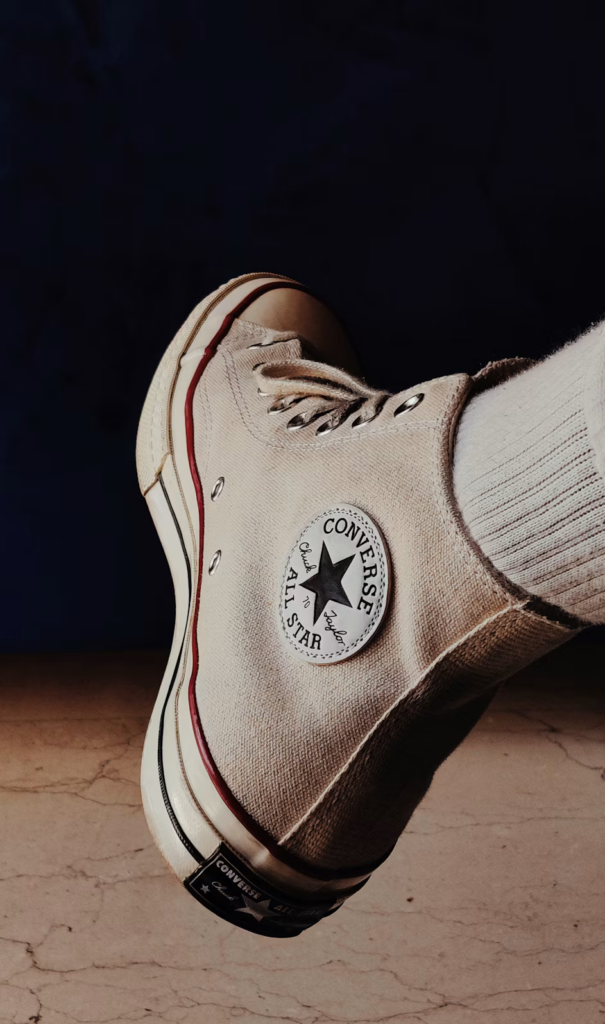
Anmol Arora)
While I understand where the American audiences are coming from, this seemed like an overreaction to me, especially since the target audience was not American. A global brand like Converse should be aware of the impact that an ad can have on a variety of audiences. Yet, we need to realize that not every person or culture will interpret the imagery the same way. It is important to know when we are not the audience.
Controversy can earn attention for brands, but it can also hurt if it overshadows the actual product or alienates consumers.
“We hold different brands to different standards,” said Kapoor. “Nike and Converse are known brands, so we hold them to a higher standard and don’t expect controversial imagery from them. In this case, the publicity was bad but for Novig, they finally got their name out there. For a smaller company, any sort of publicity is good, but a global brand can be affected by a controversy.”
Ultimately, a company should have faith in its product standing on its own – as opposed to just trying to get clicks. Fifteen seconds of fame is never worth your brand’s reputation.
Anika Mahansaria has a strong passion for social media, strategy, and marketing communications. She is pursuing a career in public relations and marketing.