
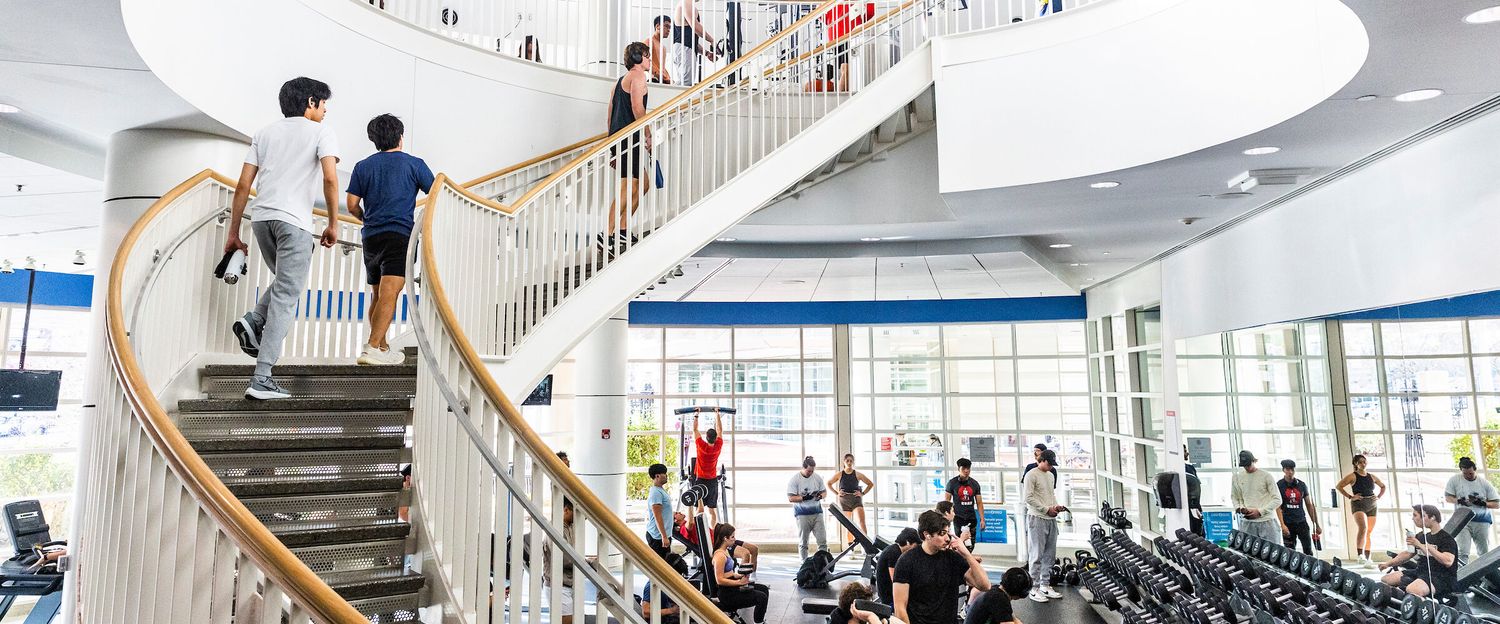

For a while, I felt like life was sweeping me along. I had a lot on my plate, but everything felt like it was only half-done. I’d be busy until late at night, but once I lay in bed, I couldn’t resist scrolling on my phone. The next day, I’d be exhausted, lacking energy, and working with very low efficiency. This wasn’t a “sudden breakdown,” but more like a gradual loss of rhythm and control. And the more I tried to fix it, the harder the challenge became.
As I struggled for a solution, I found myself turning to exercise at FitRec more often. My goal was simple: striving not to complete a perfect plan, but to bring my life back under my control. I didn’t worry about how much weight I needed to lift or how noticeable the results would be. Instead, I focused on just one thing: showing up regularly and at a fixed time.
This change may sound small and simple, but it made a crucial difference. It transformed my work outs from a choice requiring strong willpower into a default activity on my schedule. The results were clear: I became increasingly disciplined, and I lost 40 pounds. Most importantly, my overall state of mind became more stable. I’m no longer driven by stress.

The biggest change FitRec brought me is a sense of rhythm. My daily schedule is fragmented, so it’s easy for things to slip out of my control. But working out has become something I’m consistently motivated to do and it’s a choice I make on my own. After exercising, my mood is more stable, and I go to bed early at night because I need to be well-rested for the next day’s workout.
Of course, FitRec can get crowded, with machines occupied or lines forming. At first, these situations frustrated me, and I’d think, “Just take a break and go home.” But over time, I’ve learned to adapt. For example, if a machine is taken, I switch to a different exercise. If it’s too crowded, I do cardio or stretching instead. Even a 30-minute workout is still helpful when time is short. I care more about whether I actually went to the gym than about completing a perfectly structured workout plan every single day. This mindset actually helps me stick with it.
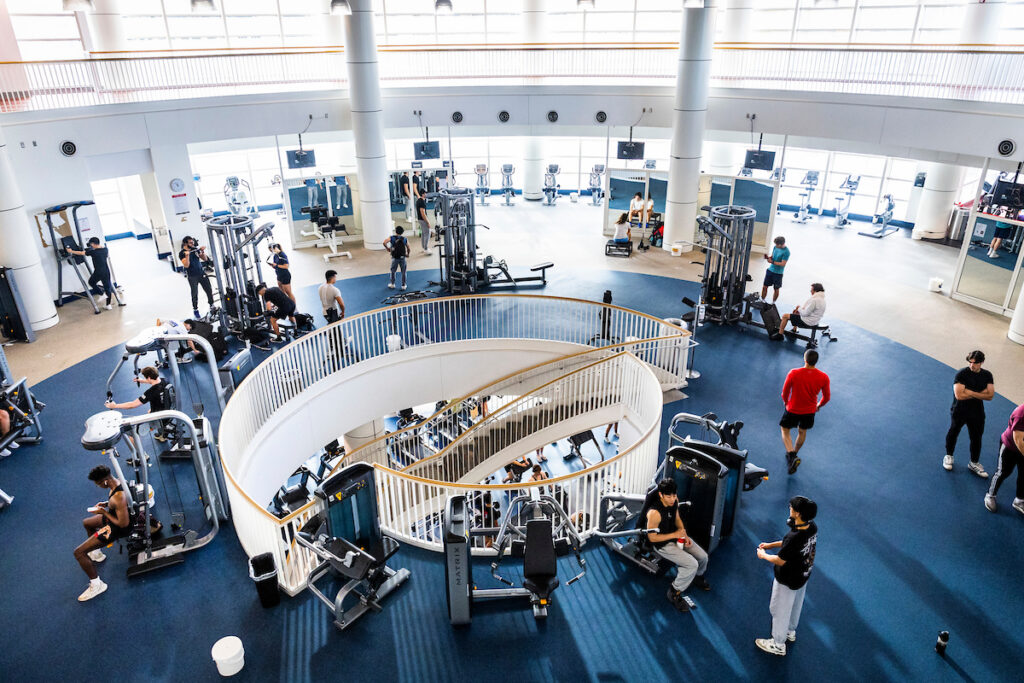
Interestingly, I discovered that this experience of using exercise to bring more stability to life isn’t unique to me. Ethan, a computer science major, used to rarely go to the gym, except during a particularly stressful period. “My mind would race while I lay in bed at night, preventing me from falling asleep.”
Ethan started with something very simple, even if it was just walking on the treadmill. But his favorite part was that during exercise, he could genuinely stop thinking about his homework for a while. Later on, change became evident in his sleep as well. “On days I work out, I fall asleep much more easily… I’m less likely to binge-scroll on my phone at night… [I] approach it as a habit rather than a choice that calls for a lot of willpower.”
Meanwhile, Maya, a biology major, described the gym more as an emotional outlet. She said the experience felt like a constant sprint, with homework, socializing, and various other tasks piling up. She was constantly on edge, so she valued a fixed outlet each week. “I think it’s more like a ‘stabilizer.’”
She also brought up the very relatable feeling that, sometimes, the gym can evoke more stress, especially when it’s crowded with others working out intensely. “It makes me feel a bit pressured.” But she later adjusted her goal and said, “Just showing up today counts as a success.”
Personally, I found this statement to be relatable, because it shifts the focus of exercise from comparison back to self-care.
I view my personal exercise journey as one that helps pull my life back from being pushed along to one that gives me more control. If you find yourself in a similar position, consider visiting FitRec. You, too, have the power to take back your life and witness lasting rewards and benefits through persistence.
Yige Wang is a BU student who enjoys writing and learning how media messages influence people. She’s interested in communications/marketing and likes combining creative ideas with research. After graduation, she hopes to work on projects where she can tell stories that feel real, thoughtful, and easy for people to connect with.


Leave a Reply