
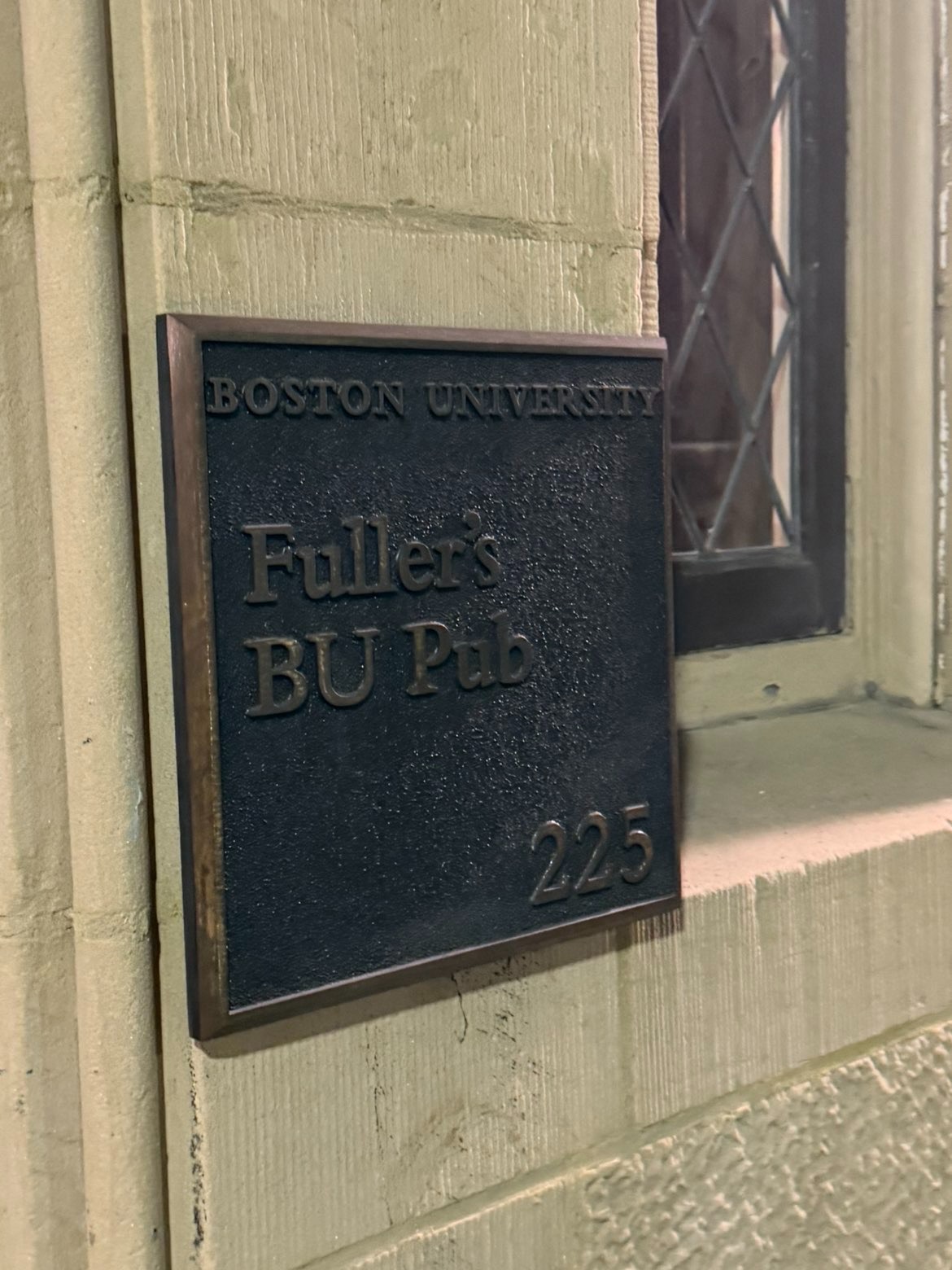
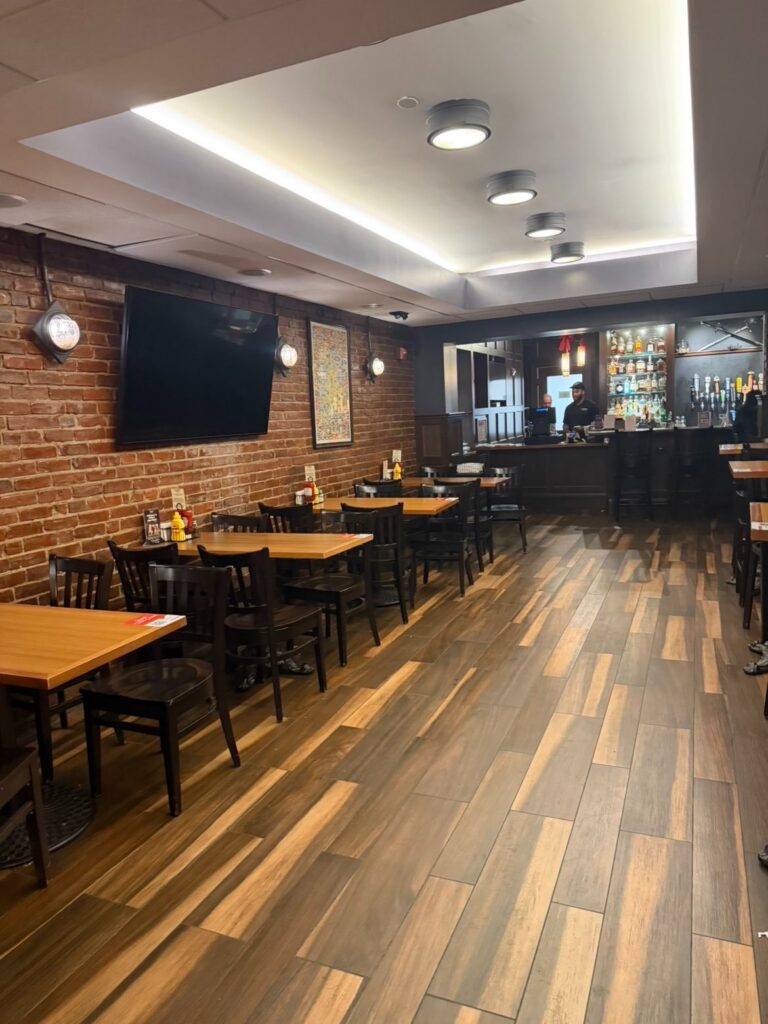
It’s Wednesday night and the room is full. It’s always full on Wednesday nights. It’s been full on Wednesday nights since 1971. The booths are packed. There are pitchers on every table. Someone has spilled something. The game is on, but nobody is watching.
That room is found in Fuller’s Pub, and if you have spent any time at BU, you likely already knew that.
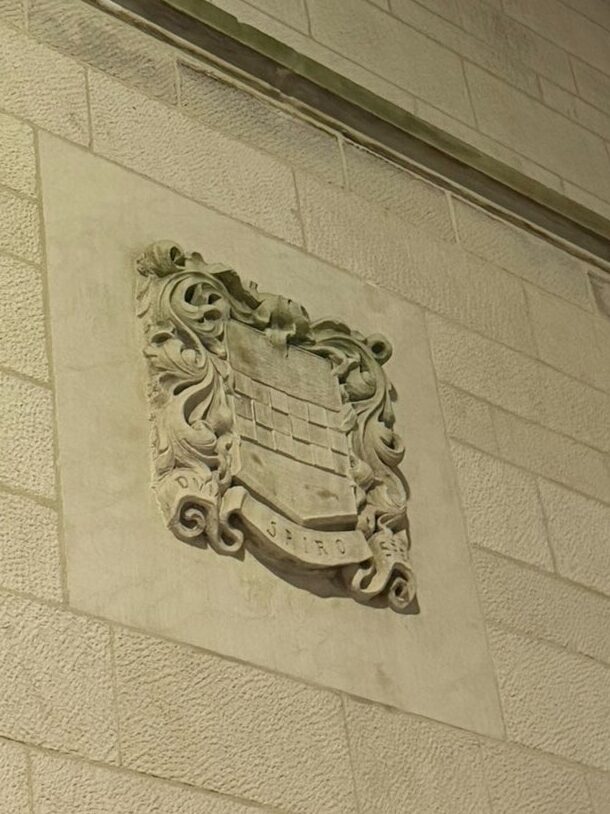
Fuller’s sits underneath the Dahod Family Alumni Center, known to everyone as “The Castle.” It is a basement bar with low ceilings, worn wood, and lighting that has probably not been reconsidered since the Carter administration. It’s not a beautiful bar, but it’s something even better.
People come back to this place for years, then decades, and eventually they bring their kids, which is either sweet or concerning depending on your perspective. The bar does not do anything special to earn this loyalty. It just exists: same booths, same floor, same Wednesday nights, same barstools wobbling in the same places they have always wobbled. There is something to be said for a place that refuses to fix what is not broken, even when that thing is just a barstool.
Where It Came From
The pub opened following a push to give BU students somewhere to be on campus, back when the university was figuring out what kind of place it wanted to be for the people who lived there. Named after Alvan T. Fuller, a Massachusetts governor and university benefactor, it was among the first on-campus bars in Boston when it opened. Students came, and they kept coming. Eventually it just became a fact of the place, like an MBTA stop or the wind off the Charles River in January that makes you question every decision that led you to New England.
Over the years, Fuller’s has watched a lot of Boston change around it. The Allston bar scene has grown, shrunk, and grown again. Bars that were institutions when your older sibling went here have closed. New ones opened, became popular, and then died. But not Fuller’s. Fuller’s kept going.
The Knight’s Quest
In 1988, someone decided that drinking at Fuller’s should have stakes. The Knight’s Quest is a BU tradition built around a simple premise: drink 50 different beers, earn the title. More than 2,000 students, faculty, staff, and alumni have completed it since, which means there are people walking around with advanced degrees and real jobs who are also, technically, BU Knights. The rules keep it from becoming a sprint: two beers per day maximum, no more than two drinks per hour, and you have to be 21 to start. It is less a drinking challenge than a long-term commitment, the kind that requires showing up repeatedly over weeks or months. Fuller’s has always been good at getting people to do that.
If you successfully complete the quest, you can become “knighted”; this includes having your name carved into the Fuller’s wall, for all generations to come. There is also a “knighting ceremony,” where all your friends come and decide your “knight name.” This tradition is one of BU’s most cherished amongst the student body.
The Regulars
Ask students why they go to Fuller’s. You might get a few different answers, but they all orbit the same idea. It feels like it’s theirs.
“It’s the one place that doesn’t feel like BU designed it,” said Sitara Vaswani, a CAS junior who has been going since the day she turned 21 on campus. “It just feels like a bar.”
That sounds like a small thing, but it isn’t. A lot of campus spaces feel like they were focus-grouped into existence, built to look welcoming in a way that somehow ends up feeling the opposite. Fuller’s feels like it happened organically and then stayed, which is pretty much what occurred.
Thursdays are trivia night, which draws a crowd that takes it more seriously than you would expect from a pub quiz. Teams form weeks in advance. There are regulars who have been coming to the same Thursday night for three years running and who will tell you, without irony, that they are pretty good. There is also a Bingo night that has developed something of a reputation on campus, the kind of event that sounds like a joke until you show up and realize everyone there is completely locked in.
Beyond the scheduled nights, Fuller’s runs on its own logic. The best nights there are often the ones with nothing planned, just a Tuesday that got away from people, a group that wandered in after a late class and ended up staying until close. That is harder to manufacture than a themed event and Fuller’s seems to produce it reliably.
Why Students Still Go
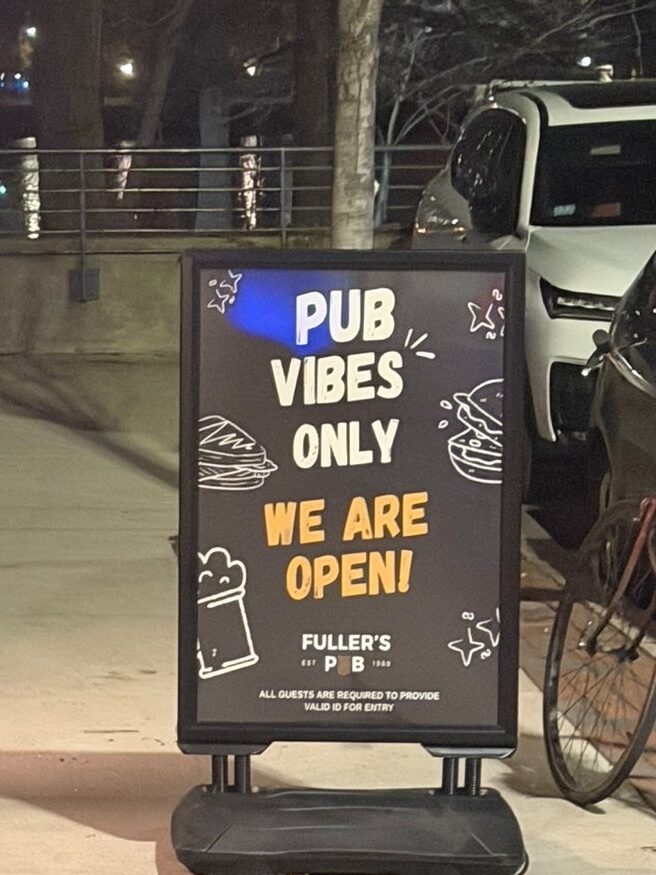
Fuller’s is affordable for students. In a city where going out can feel like a financial decision that requires some thought, that matters more than any other single thing. A pitcher there costs what a single cocktail costs at half the bars in Allston, MA. You can go on a student budget and not do the math in your head the whole time.
The food is bar food. Nachos, wings, the kind of burger that is not trying to be anything other than a burger. Nobody comes for the food and everybody orders something. There is a specific kind of hunger that only develops after a couple of hours in a loud pub and Fuller’s understands this.
For students living in the dorms along Comm Ave, it is also just very close. That proximity is underrated. Going out in a city requires a level of planning and energy that a Wednesday night does not always support. Fuller’s is the option that requires the least convincing.
“I did the math once,” said Sanishka Shah, a Questrom senior. “Fuller’s is literally cheaper than cooking. I don’t know what that says about me but I’m not going to think about it too hard.”
The Bigger Picture
There is a version of BU that does not have a Fuller’s. A lot of universities do not. Their social life happens off campus or in purpose-built student centers that feel more like airports than places where anyone would choose to spend a Wednesday night. BU has those spaces too, but it also has this one, and students seem to know the difference.
It also matters that Fuller’s is technically on campus, which means it exists in a slightly different relationship to university life than a bar two stops down the Green Line. You can go between a late lecture and dinner. You can meet up with people from your floor without it feeling like a whole production. It slots into the day in a way that off-campus bars do not.
“It’s the in-between place,” said Vaswani. “Not pregaming, not a full night out. Just somewhere to be.”
That is a harder thing to build than it sounds. Most places that try to be the in-between place end up being neither thing properly. Fuller’s has been doing it for more than fifty years.
“People come in stressed, come in celebrating, come in just because they didn’t want to go home yet. We get all of it,” said one bartender who has worked at Fuller’s for over a decade. “And somehow it works for all of them.”
Still Here
The pandemic closed it for a stretch that felt longer than it was. There have been questions over the years about what happens to it as the GSU gets updated and the university reshuffles how it uses its buildings. Each time the question comes up, the answer so far has been that Fuller’s stays.
Part of why it survives is that it fills a need that a newer, nicer version of itself probably could not fill as well. A renovated Fuller’s with better lighting and a craft beer list would be a different place, and not necessarily a better one.
Jorge Callahan, a busboy, has seen enough versions of the crowd to know what keeps them coming. “It doesn’t matter what year it is,” he said. “Wednesday night, this place fills up. It’s just what happens.”
Outside, the Green Line runs past. The river is cold. Somewhere up on Comm Ave someone is deciding whether to go out, and someone else is saying Fuller’s, and that is probably going to settle it. It has been settled since 1971. Most nights, that is exactly enough.
Manya is a public relations student with a passion for writing. She is currently in her senior year and loves PR writing, crafting communication narratives and storytelling. She has also written and published a poetry book, “when flowers wilt,” and holds a keen interest in journalism and reporting writing.

Leave a Reply