
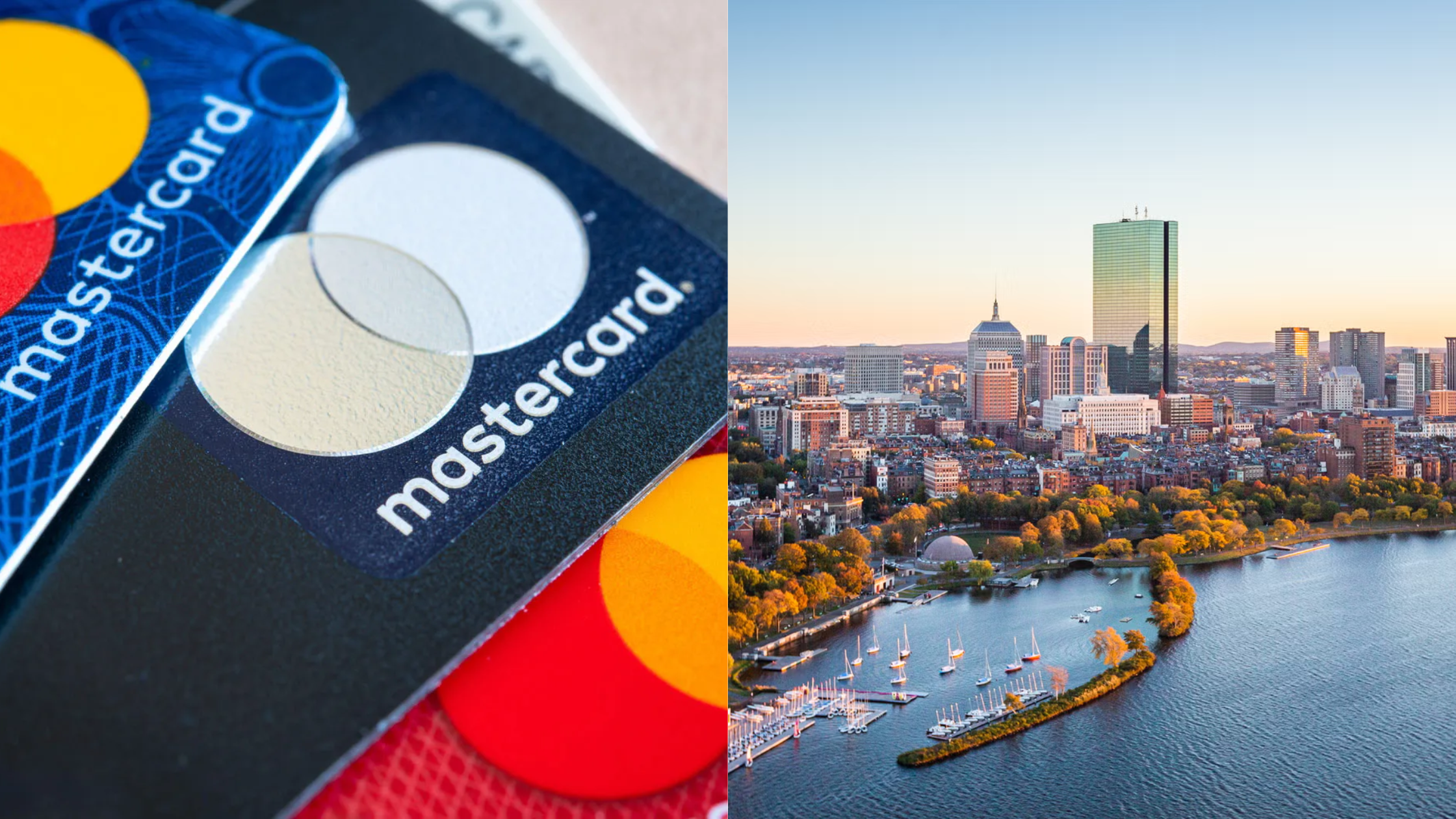
In 2022, Mastercard partnered with Spotify and producer Niclas Molinder and to identify 10 up-and-coming artists to compose a 10-song album titled “Priceless” (a play on the company’s 25-year-old campaign) centered around human experiences that money can’t buy.
According to their website, “Each song incorporates the recognizable melody of Mastercard’s brand sound.” Each artist showcases different cultures, genres, and languages. Ultimately, nine countries are represented, linking the album’s focus on diversity with the brand’s core values.
MasterCard is attempting to cultivate its “sonic branding,” a term to describe the deliberate use of sound to complement a brand’s identity. Jingles, artist collaborations, sound logos, and even ASMR are a part of strategic sonic branding.
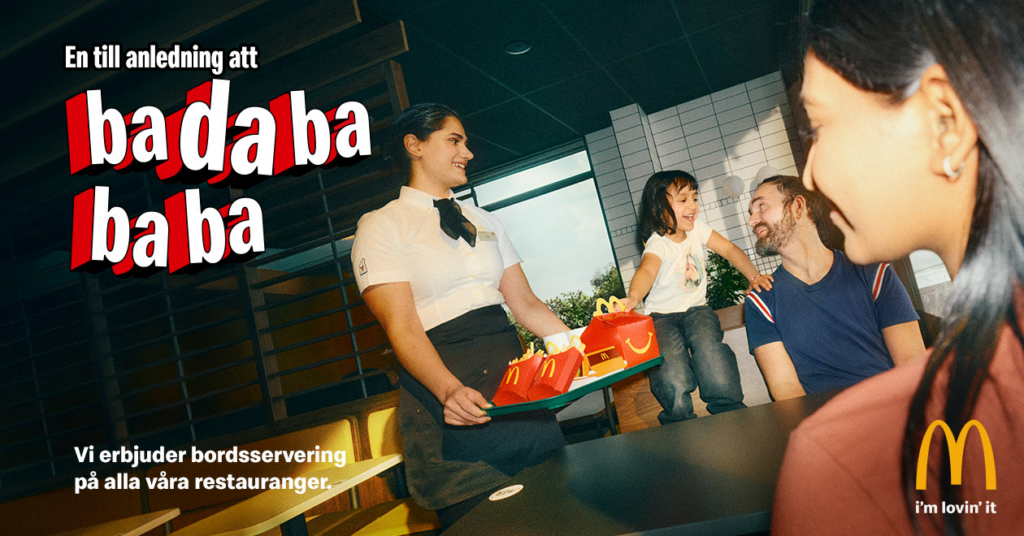
From Netflix’s ‘TUDUM’ to McDonald’s’ ‘ba da ba ba baa,’ organizations extend their brands aurally because of sound’s effectiveness in increasing awareness and deepening customer relationships.
Anne-Marie McClain, assistant professor of media science, found this in her research when studying media effects on children. “Children can remember jingles even when they forget things they’re supposed to remember at school,” she says. “There’s something very catchy about them — and adults do it, too. Sound and music are among the most salient ways to tap into our senses and help us remember things.”
Still, this raises the question: Why? Why the grand gesture? Why create a whole album, and not a quick jingle? Is this publicity meant solely for shock value? Is MasterCard really interested in breaking into the music industry?
For starters, sonic branding presents a chance for the company to demonstrate corporate social responsibility (with a dash of attention-grabbing). The company collaborated with hip-hop producer Timbaland and the music creation platform “Beatclub” to purchase year-long memberships that include mentorship for creators from marginalized communities.
Despite its benefits, sonic branding can also create backlash. Royal Caribbean learned this the hard way when the company chose Iggy Pop’s “Lust for Life,” a song about substance abuse and attempts at sobriety, for its cruise ship advertisements.
McClain explains that a poorly chosen song can have repercussions on a company that can be prevented with research. “If you haven’t done your research, you might pick something that not only has been done before, but that resonates with something bad or problematic that you might not have realized.”

But sonic branding isn’t limited to companies: Cities can have their own sounds, too. According to Kelly Bylica, associate professor of music education, “Music also has a tendency to tell stories about identity and what is valued in particular spaces. “The types of musical experiences that are celebrated within a state demonstrate not just perception from the outside of that state, but also internal belonging within a state.”
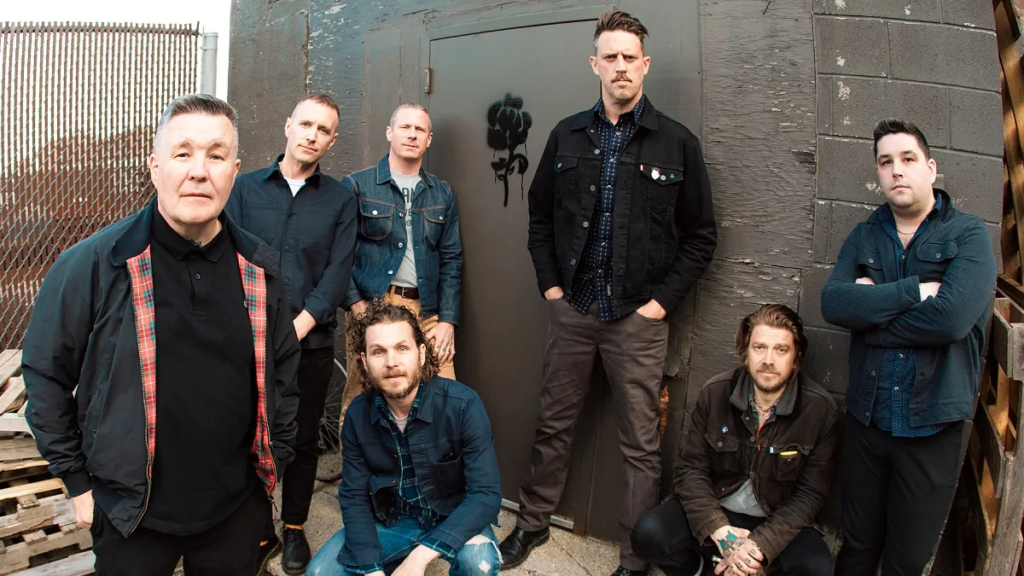
For Massachusetts, Kelly finds that the state’s musical expression exhibits a “resistance” and “toughness” throughout. It is no secret that Boston has always leaned into Celtic Rock’s rawness — celebrated by the local band Dropkick Murphys, for example — a sound that encapsulates Irish-American pride and grit.
McClain also describes the “Cultivation Theory,” an idea born in the 1970s that asserts that sustained exposure to a tight set of conventions can shape how a community is understood.
Like MasterCard, the sound image Massachusetts projects is intentional. Boston-bred “Queen of Disco,” Donna Summer does not fit the bill. Neither does the 90s R&B boy group, New Edition. Both lack the grittiness of the story Boston tells about itself.
When it comes to building a sound identity, the Advertising Research Foundation provides a dedicated guide for marketers new to sonic branding. It proposes six key points to keep in mind, such as identifying the company’s goal, aligning with brand values, and measuring effectiveness and audience resonance to ensure a positive reception and catchiness.
All of these points reiterate the importance of research and strategic thinking in brand-building. An associated sound is very much a part of that. Communication can be much more than a logo or brand colors. It can also encompass what people hear before they see you. It’s a seemingly small detail that can make a lasting impression.
Sara is a pop culture and entertainment enthusiast, currently pursuing her master’s in public relations. She is keen to contribute her technical knowledge of media to conversations about literature, film, and TV, and social media.

Leave a Reply