Lights, camera, music, action.
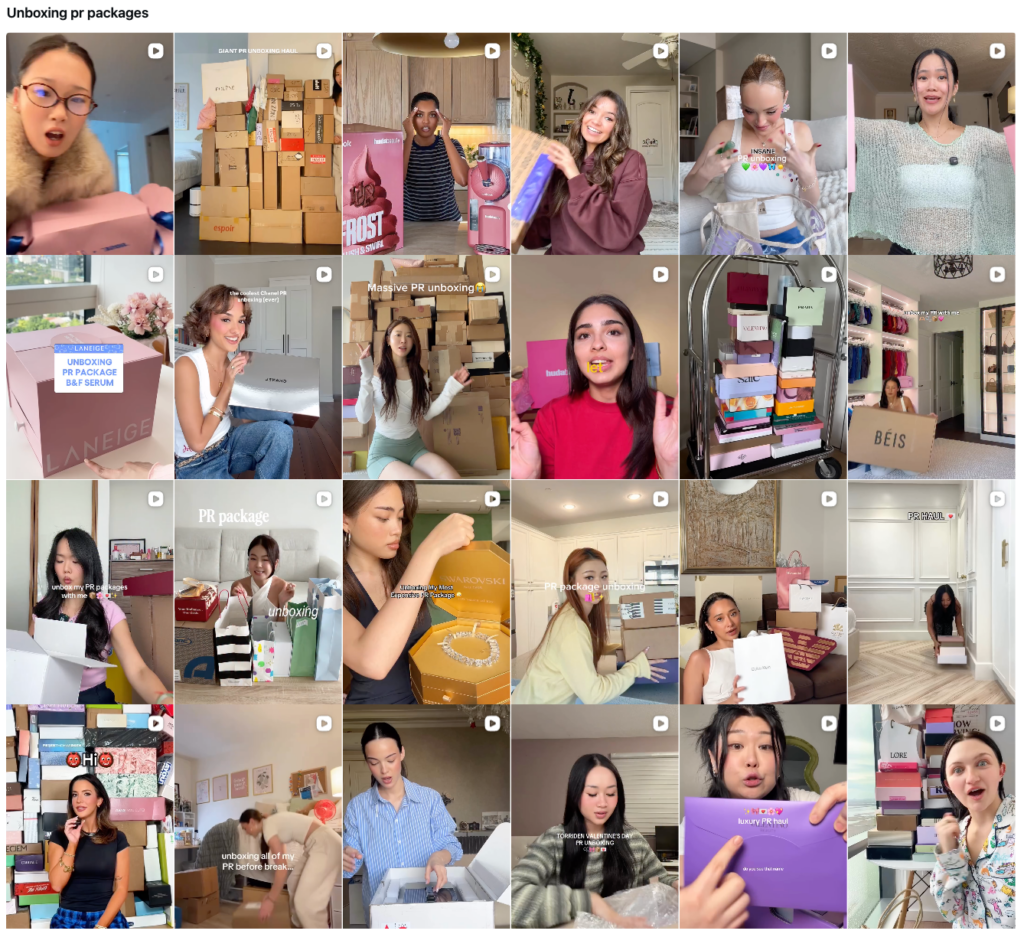
Hi, guys. I just got back from a long trip to Florida, and I came home to a mountain of PR packages. This is everything I’ve received in just the past two weeks. Genuinely, I don’t even know where to start. I really hate unboxing because it takes forever, but I’m doing this for you guys, so let’s do a big unboxing haul together.
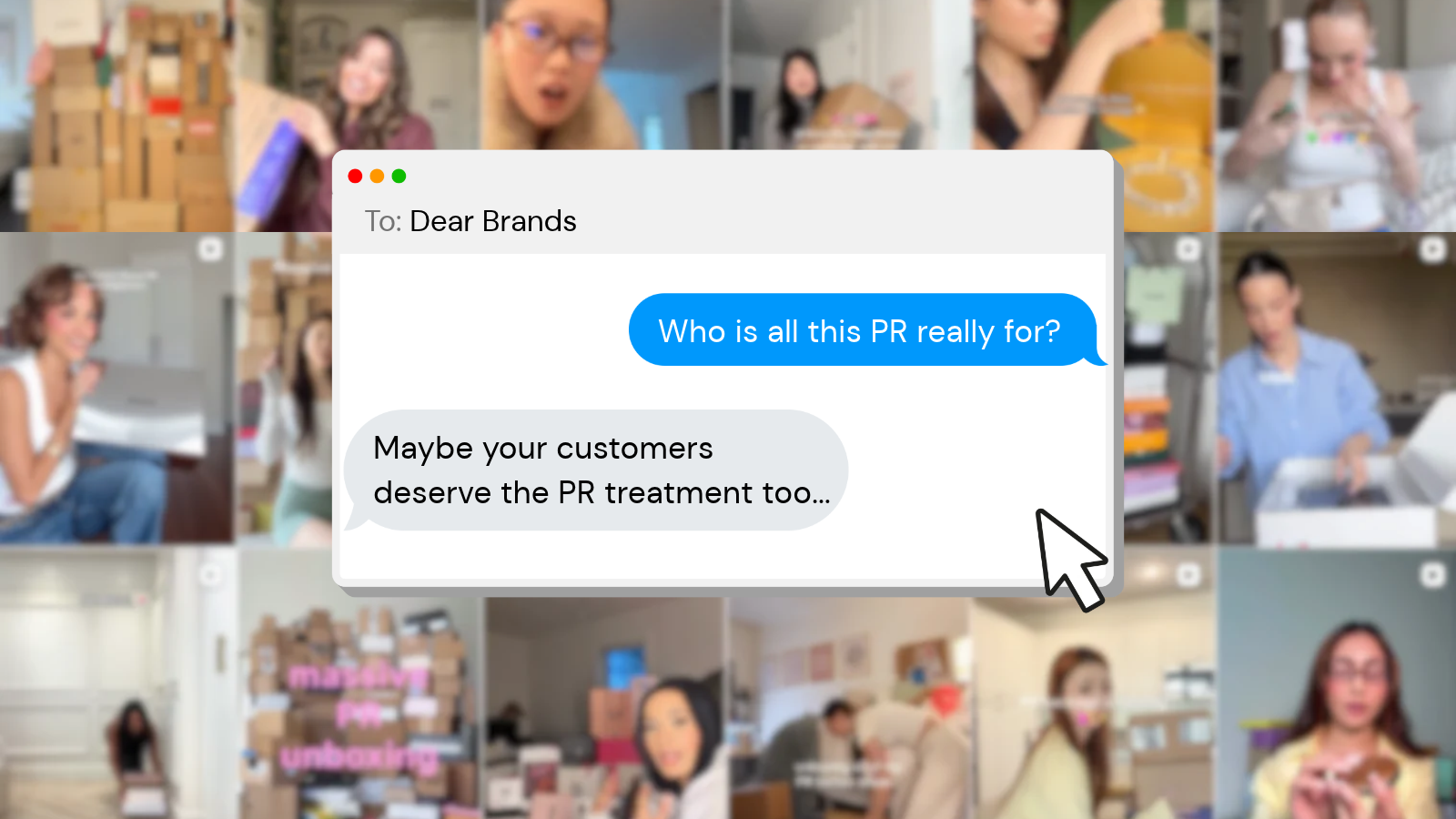
The camera turns to packages piled across the floor. One by one, the influencer tears into colored boxes filled with skincare products, makeup, and clothing. Each reveal comes with a gasp, a scream, or an Oh my God, amplified by quick cuts, zoom-ins, and dramatic visual effects. What might cost your me hundreds of dollars arrives at the influencer’s door for free.
For some viewers, PR unboxings are entertaining, with their early looks at new products and glimpses into an influencer’s life. For others, watching an influencer joke about the burden of opening too many free products can create a different reaction.
The polar reactions point to a challenge for influencer marketing. Brands send products and offer exclusive experiences to creators hoping those influencers will share the goods with their audiences and bring the brand closer to consumers. However, as PR packages, luxury trips, and other perks become increasingly elaborate and visible, they may leave some consumers feeling excluded, skeptical, or disconnected.
Trust among consumers is already fragile. According to Harvard Business Review, by 2025, influencer marketing had become a $24 billion industry. And, while 88% of consumers said authenticity matters, nearly half of consumers believed most influencers were fake.
It’s difficult to ignore the contrast. Consumers pay for products that influencers receive for free. But influencers bring important attention that’s valuable to brands through the views, likes, and comments they generate .
Brands often make intentionally elaborate gifts. A fragrance, a pair of sunglasses, or small beauty product might arrive in a customized box filled with decorations and additional gifts. According to Business of Fashion, brands want their exclusive boxes to be “special, memorable,” and “Instagrammable” among the many seedings influencers receive.
The same strategy extends to brand trips, where companies provide accommodations, meals, activities, and products. While these experiences can strengthen influencer relationships and generate content, they also make acutely visible the difference between how brands treat influencers and paying customers.
“Sometimes, I just feel like I’m watching everything from the outside,” said Cindy Zhang, a senior studying advertising at Boston University. “We are the ones watching, liking, and commenting, but then you see an influencer living in a SoHo apartment that costs more than $10,000 a month, opening hundreds of dollars of products she got for free, and complaining about how much there is to unbox. At that point, I don’t really relate with her content anymore.”
Influencer experiences can also backfire when they conflict with a brand’s message. OpenAI faced criticism last summer after inviting creators on its inaugural brand trip to upstate New York featuring farm-to-table dinners, wellness activities, and product workshops. Some viewers questioned influencers about the environmental impact of AI data centers, which shifted attention away from the campaign’s intended message.
The concern is not limited to luxury experiences. Excess can begin inside a single PR package. Beauty brands sometimes send creators entire collections of foundation or lipstick shades, even when one person can realistically use only a few. TikTok creator Olivia Marcus criticized MAC Cosmetics after receiving 19 shades of lipstick buried beneath four layers of packaging and a box of confetti.
Marcus compared the experience to a prank. “I’ve been glitter-bombed, and I didn’t ask for it,” she said in her video. Marcus also questioned the need for the full collection. “Getting to try two shades in this product would have been more effective,” she said.
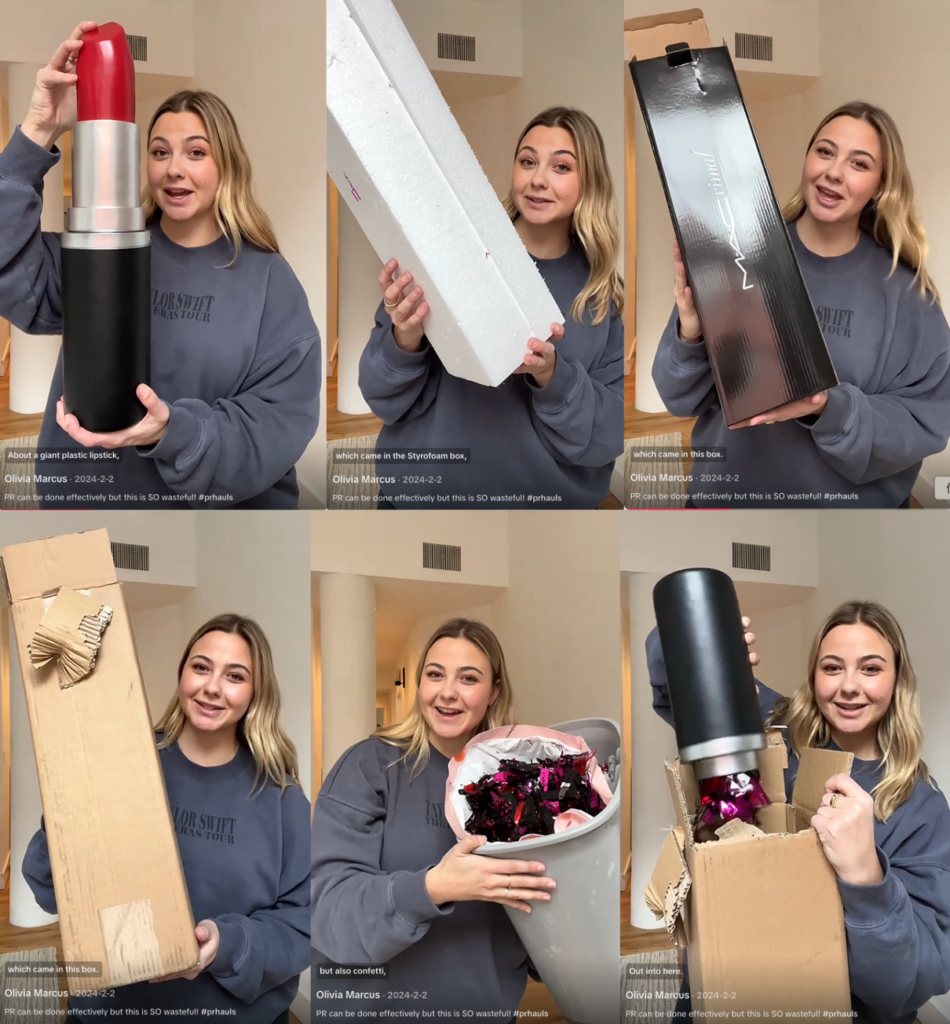
The package brings up two concerns with excessive PR. Products that creators cannot realistically use risk sitting untouched until they expire. At the same time, oversized boxes, layers of wrapping, and elaborate decorations require additional materials and increase packaging and shipping costs, sometimes for products only a few inches wide.
Once the reveal is over, much of that excess has already served its purpose. How much is actually necessary to make an impression Some brands are already reconsidering whether more gifting is always better.
In 2024, premium skincare brand Versed reduced its monthly PR mailers from about 1,500 packages to 500-600. The smaller list allowed the company to focus on recipients who were genuinely interested in its products.
Others are reconsidering who gets seedings in the first place. Reale Actives, the skincare brand founded by influencer Alix Earle, drew attention after TikTok user Alish (@alishh.alishii) said her sister received one of the brand’s PR coolers despite having no social media presence. The brand responded that the decision was intentional and that it had given coolers to customers and community members who loved the brand.
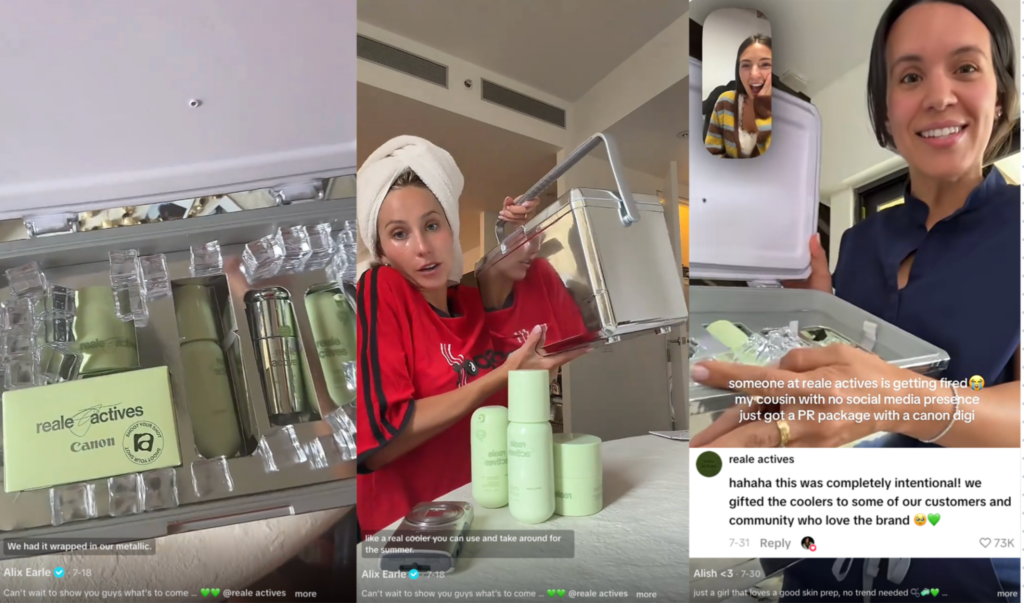
Instead of reserving special treatment for people with large audiences, the strategy brought ordinary customers into an experience usually associated with influencers. This suggests that brands can rethink their gift strategies without abandoning influencer partnerships. Creators can introduce products and connect brands with new audiences. The challenge is finding a balance between making influencers feel valued and making consumers feel excluded. Bigger packages and more luxurious trips do not automatically create stronger relationships.
As influencer marketing grows, brands may need to think not only about the people opening their PR packages, but also about those watching from the other side of the screen.
Liqing Qi is a public relations student who loves exploring the intersection of global brands, consumers, and digital culture. She is interested in consumer insights and brand strategy, and she hopes to pursue a career in marketing communications.