Stiletto heels echo down Commonwealth Avenue as hundreds of hopeful BU women move from building to building, coffee in hand and nerves on display. Over Presidents Day weekend, 904 students entered sorority recruitment, a four-day process marked by polite conversations, quiet evaluations, and the unspoken question beneath every interaction: Am I good enough?
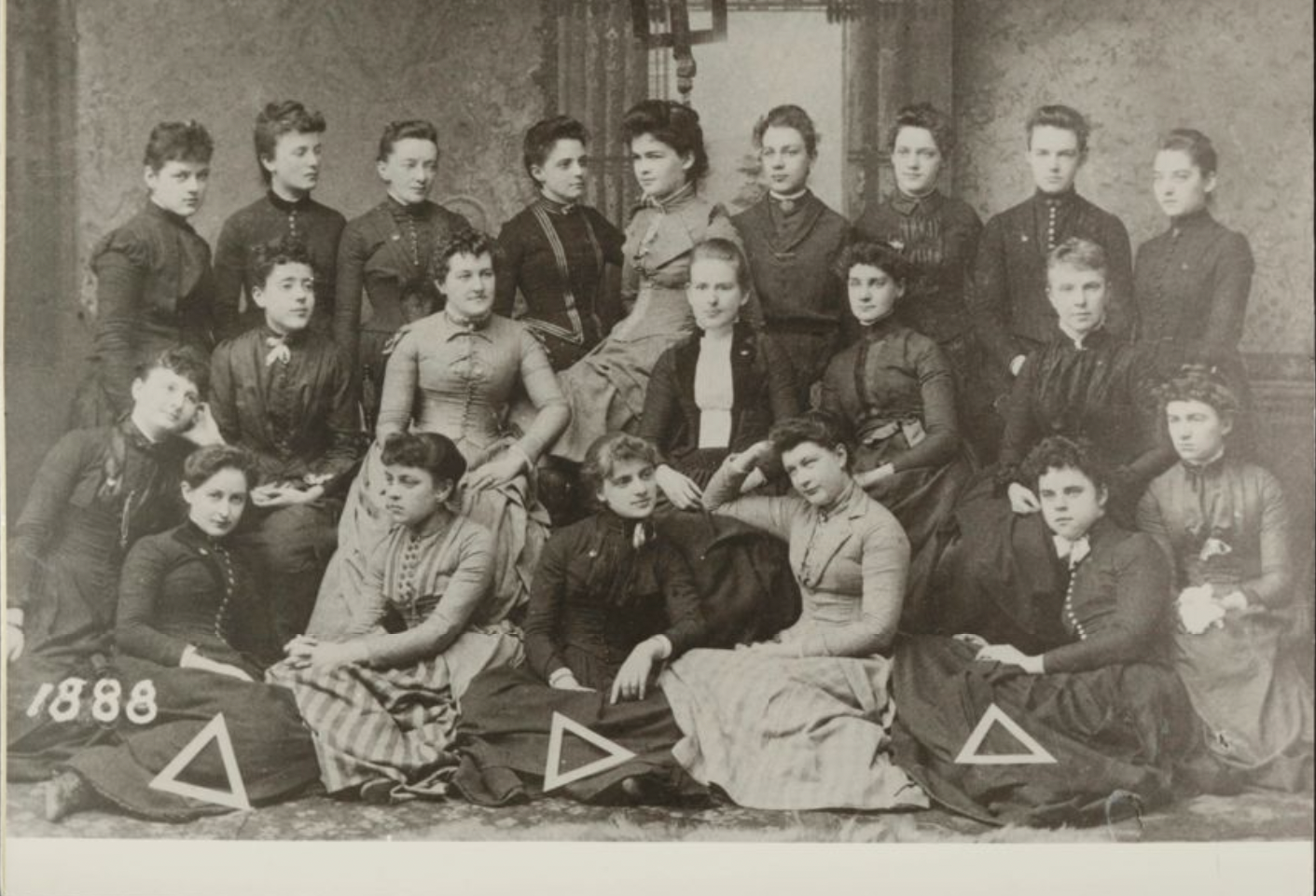
This year, nine sororities opened their doors in search of their next pledge class. One did not. For the first time since 1888, the sorority that began at Boston University was absent from recruitment.
Delta Delta Delta, commonly known as Tri Delta, was founded at BU nearly 138 years ago. Now, the chapter is shutting down after falling below national membership requirements. The organization did not participate in recruitment this semester and will become inactive once its remaining members graduate, bringing an end to one of the longest-standing student organizations on campus.
“Recruitment already feels overwhelming,” said Tori Shapiro, a senior involved in Greek life. “You walk in knowing there are more girls than spots, and every conversation feels like it could make or break where you end up. Losing Tri Delta means there’s one less place for someone to feel at home, and that makes the whole process feel heavier.”
Greek life at BU looks different from the deep-South rush culture many people imagine. We do not have traditional sorority houses where sisters live together and build their communities. Instead, our chapters are known largely by their reputations, shaped through word of mouth, social media, and campus perception.
From GreekRank, a popular website forum that ranks sororities.
Over time, this has created an informal ranking system. Some sororities gain a perception as more desirable than others, and those labels often stick. For students going through recruitment, these images can shape which chapters they hope to join and which ones they quietly hope to avoid, even before they step inside a room.
Why Tri Delta Struggled
Within this system, Tri Delta gradually developed a reputation as a “bottom house,” a label that proved difficult to escape. As recruitment culture became more competitive, some students chose to drop out of the process entirely rather than accept a bid from a chapter they did not see as socially desirable.
As a result, Tri Delta’s pledge classes grew smaller each year. Fewer new members meant less visibility on campus, which only reinforced the chapter’s reputation and made recruitment even more challenging the following year. Eventually, the chapter fell below the minimum membership required by the national organization. Since Tri Delta operates under national standards, the BU chapter could no longer remain active.
Unlike many sorority closures, this decision was not the result of hazing, misconduct, or disciplinary action. Instead, Tri Delta’s shutdown came down to numbers and perception, quietly ending a chapter that had existed on campus for generations.
“It’s heartbreaking to see a sorority that was founded here struggle because of perception,” said Chloe Sarkisian-Sirlin, a member of Greek Life. “Recruitment is supposed to be about finding community, but it can start to feel like a popularity contest. I wish there were a different system, but this is the reality students are navigating right now.”
“Recruitment is supposed to be about finding community, but it can start to feel like a popularity contest.”
Beyond BU
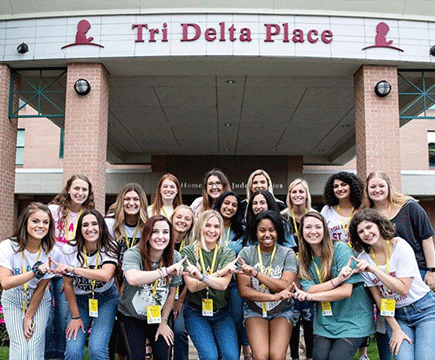
Although the BU chapter struggled, Tri Delta continues to operate successfully as a national organization. The sorority has initiated more than 316,000 members and maintains more than 130 active collegiate chapters across North America.
At universities like Michigan and Clemson, Tri Delta remains highly competitive during recruitment. Nationally, the organization is also recognized for its partnership with St. Jude Children’s Research Hospital, raising millions of dollars each year through student-led philanthropy.
“Even without Tri Delta, we hope to honor the legacy it created at BU,” Shapiro said. “Greek life can still be a place where students find community and the kind of sisterhood the founders imagined.”



Leave a Reply