
Opportunities for hands-on, impactful work have helped to shape Garrett Adamtsev’s creative direction and passions. As a member of the College of Communication’s 2024 graduating class, Adamtsev gained a breadth of skills through COM classes, an internship, and contributions to the BU News Service.
Creativity and unconventional thinking have led him through new challenges and projects to develop his ambitions. In his experience, inspiration can be drawn even from the seemingly mundane as he faces his harshest critic, himself.
Could you shed light on your academic background and the beginning of your interest in journalism?
In high school was the first time I realized that I had some sort of propensity towards writing, all the way back when I was taking AP language and composition. That’s what got me into thinking about structure when you write and how important it is to have certain tidbits of information in some places, where you can back off a little bit, and where you can just kind of let your creativity take the wheel versus cold hard facts.
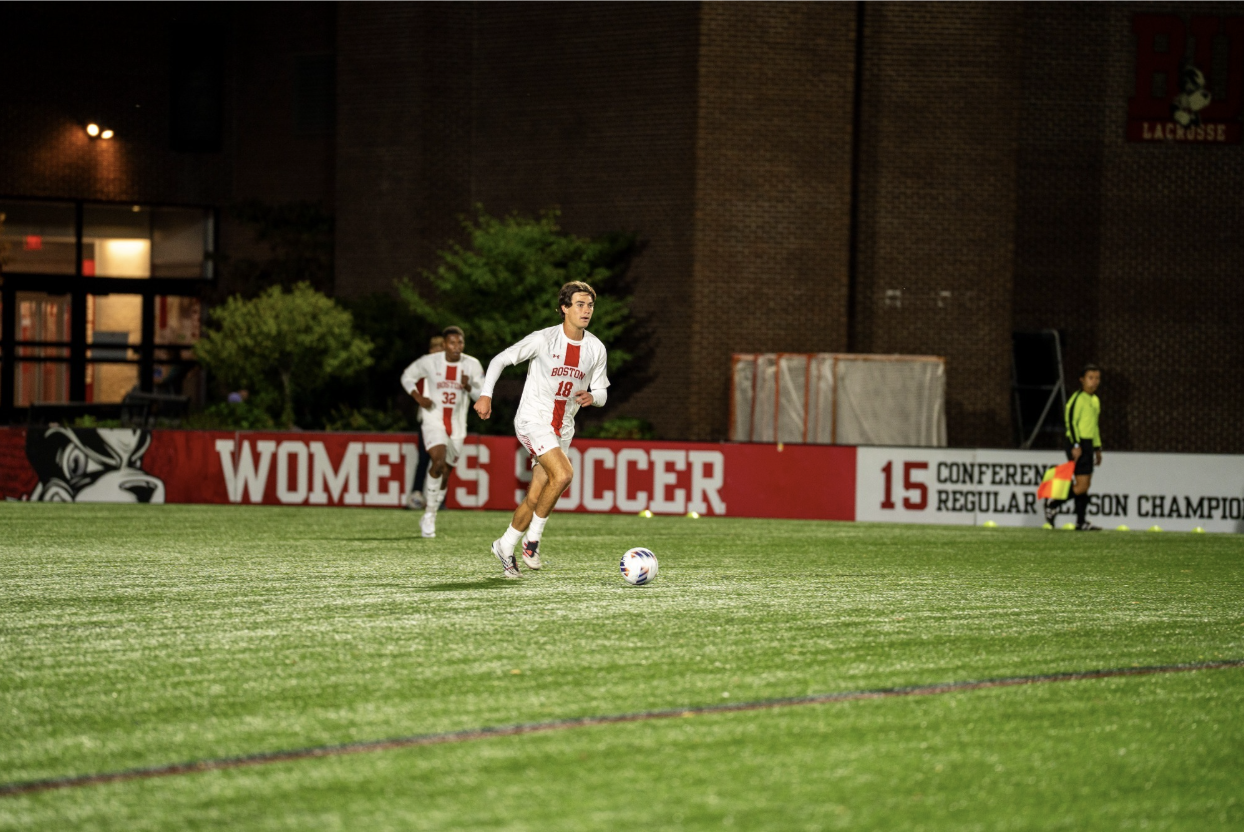
I didn’t really hit my stride until my sophomore year here, which is when I started taking photojournalism classes and first really getting my hands on a camera. I just thought it was so cool. In junior year it developed further because I ended up taking a class with Professor Greg Marinovich, a photojournalism class. Which really, I think, opened my eyes artistically to the art of photojournalism and made me think about it in a way that I hadn’t before.
Following your sophomore year you interned at the newspaper The Republican in Springfield, MA. What was that experience like?
That was hard work and there was a learning curve to it because I hadn’t done photojournalism before. The first assignment I ever got sent out on was a Motocross championship which was a lot of fun. That was the first time I’d ever gotten a press pass. Every time you’re sent out on a different kind of assignment there’s a learning curve there again. You have to know where to be, you have to know when to actually click the button. But everywhere you go there’s professionals there who have been doing it for longer than you, and you know, they’re always helpful.
Tell us about your recent opportunity to travel to cover the 2024 New Hampshire primary election for the BU News Service.
We’ve got so many reporters now and so many hands on deck, we’re going to be putting out a lot this semester. There’s ample room for people to put their foot in the door there. I would say that as a reporter I am not interested in covering politics, but, you know, kind of a once in a lifetime opportunity. Especially for me, who probably won’t be covering politics in the future. I felt it would be a really great chance to get some shots of people who I might never see again. So I just thought it would be a really interesting place to go see how things work. Lots of news trucks, reporters from everywhere scrambling, it was quite the experience.
So how did that contrast with your smaller scale experience in Springfield?
[In the primary] I still felt the freedom to get the shots that I wanted, and I would even say that the constraints put on you by the space itself, and the other people in that space, kind of forced you to get creative with how you were shooting. But also forces you to really get in there, really get tight with everything, especially if it’s someone who is hot I would say as Rudy Giuliani or George Santos. You always have to watch for things everywhere, because sometimes the photo opportunities present themselves to you but most of the time, you really have to be looking for them to set something that’s not just a picture of something, but something that’s visually interesting and conveys meaning. You gotta be thinking and you gotta be constantly moving around anywhere.
From the classes you’ve taken in COM and the skills you’ve gained through them, what do you think has been most applicable to your real-world work?
I would say the keep moving thing, you know, you always got to stay on your toes wherever you are. Whenever I’m out on an assignment, or just for anything, not even a photo thing, I’m always thinking about the story that Bill McKeen tells in his history of journalism class. When John F. Kennedy was assassinated, there was one reporter who instead of going to where he was assassinated and interviewing people there, he went to the cemetery he was going to be buried in and interviewed his grave digger. So that’s the kind of philosophy I try to take, get the angles that other people aren’t thinking about.
I have other professors who pushed that idea as well. I’m taking a class with Tina McDuffie who’s involved with WTBU here and she’s an astounding journalist in her own right. She tries to imprint the importance of getting the stories that nobody else is thinking about into our heads, and just to be creative wherever you can. As a journalist, it’s your job to make it interesting to you, and when you make it interesting to yourself, that’s going to come across in your work and it’s going to be interesting for other people to read, or to watch, or to listen to, or to look at.
What does “A picture says a thousand words” mean to you?
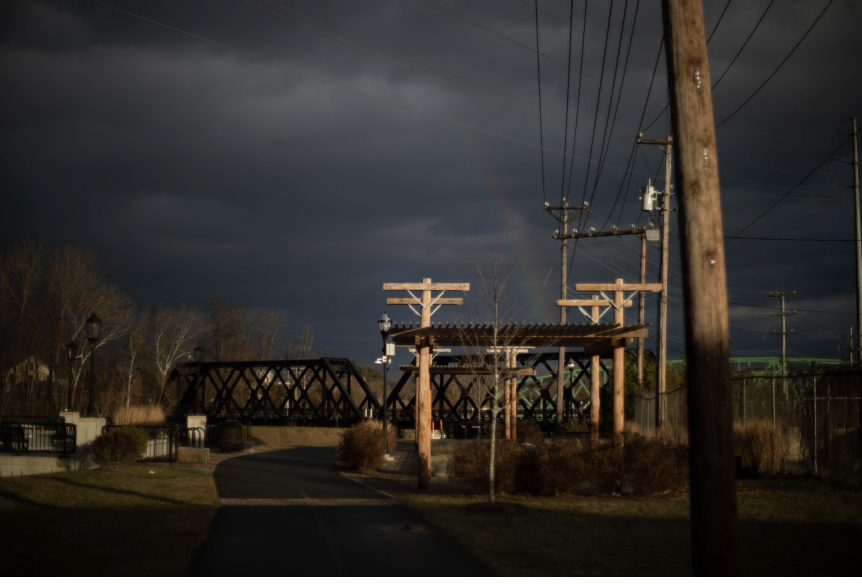
I don’t really think of it as a picture says a thousand words, I think of it as a picture says things that words can’t say. I don’t know if I’ve ever taken a picture that encapsulates that magnitude of meaning but you want to capture things that are difficult to put into words. Say things maybe you shouldn’t say in an article or anything like that. There really are things that you can see but nobody can tell you.
What kind of things are running through your mind as you’re working to produce a creative outcome?
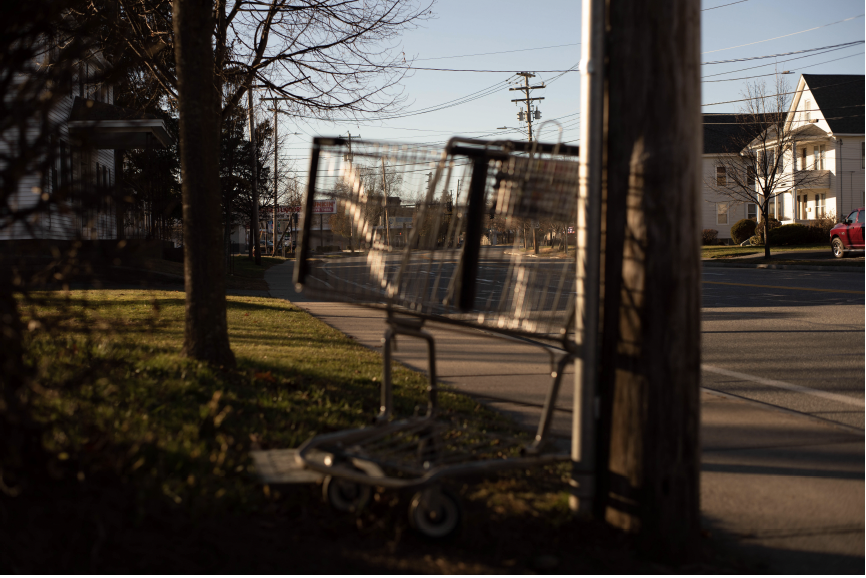
The main thing, I guess it’s kind of a bad habit, but I’m constantly looking at the photos I just took to see if they pop to me. I try to catch my own eye when I’m doing work, because if it doesn’t even stand out to me, then in my mind it’s not going to stand out to anybody else. That could be me just being a little too hard on myself, but I guess that carries over into my editing process. When the event is over and I’m trying to narrow down the photos that I’m actually going to send to my editor, I always edit really tight. I could take 300 photos of a single event and maybe pick out ten or so that I think are really good.
You always want to be your worst critic because you’ll find that other people are easier on you than you’d expect them to be. No one is going to be your worst critic, so you have to be that for yourself. That’s my philosophy at least, that might be too harsh for other people but that’s how I feel I get the most out of my work.
Has there been any one particular time which you felt especially proud of your work?
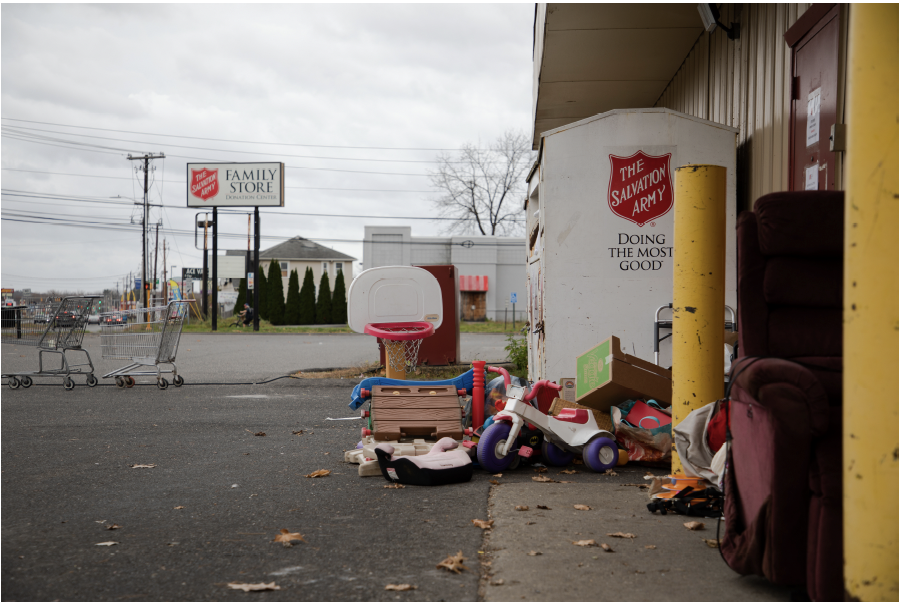
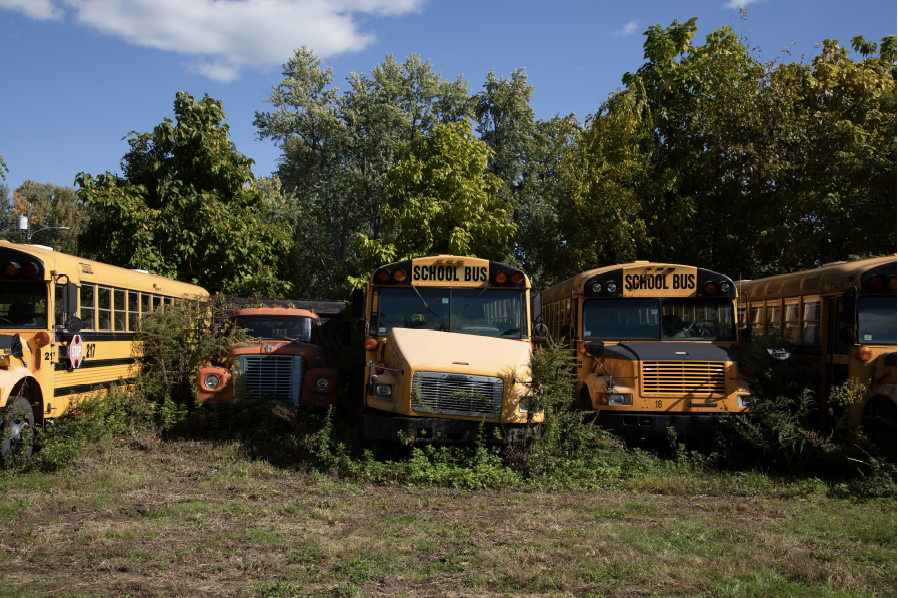
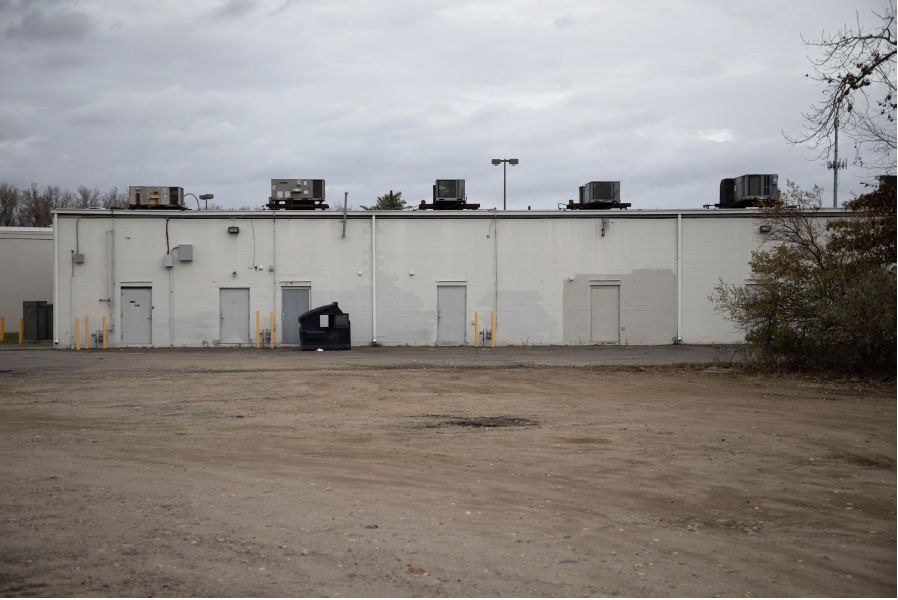
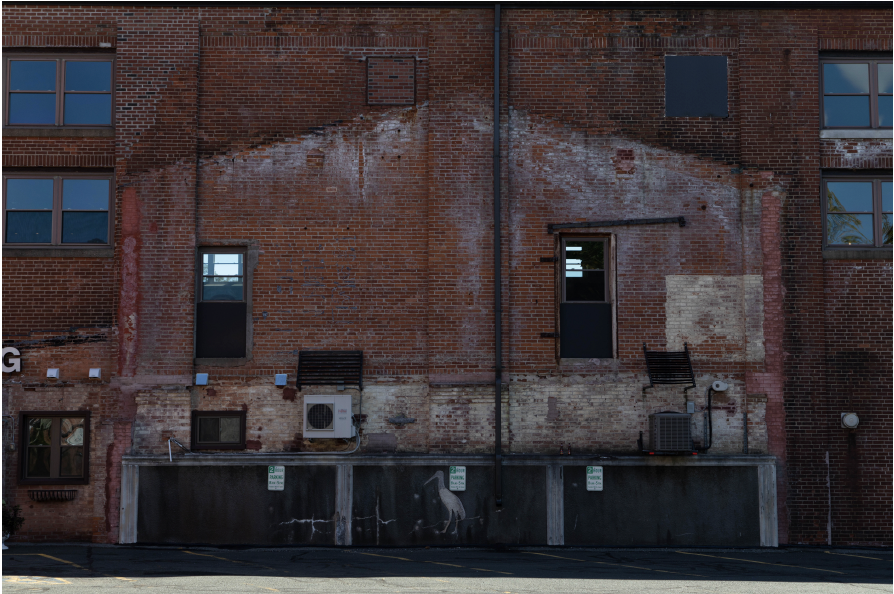
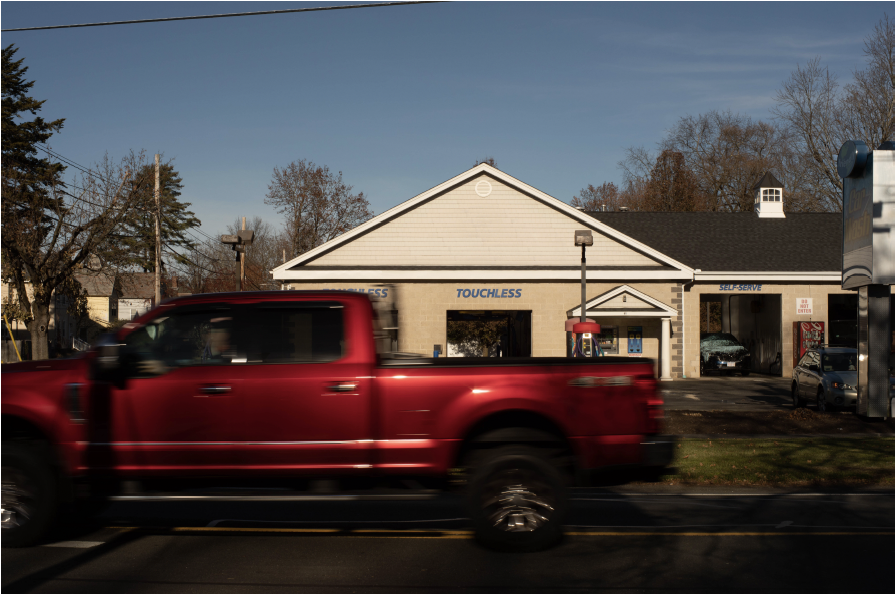
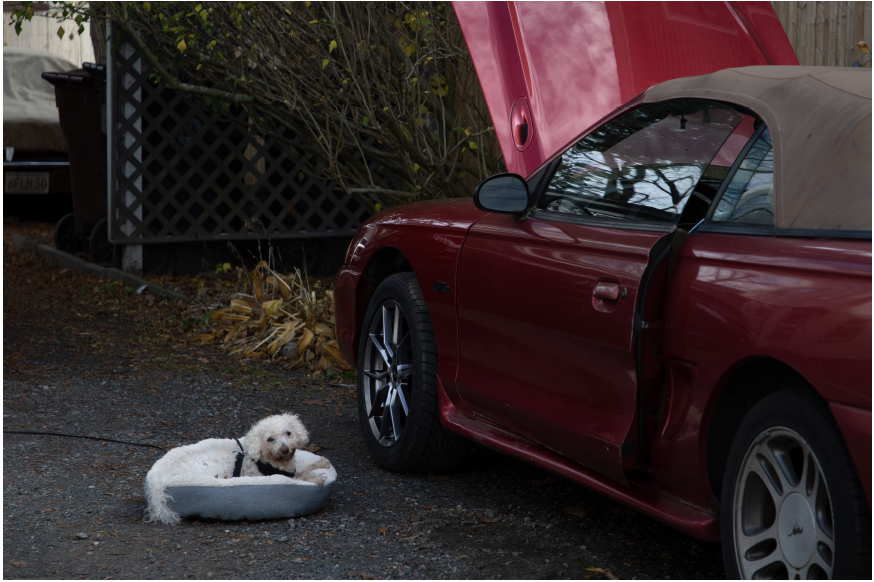
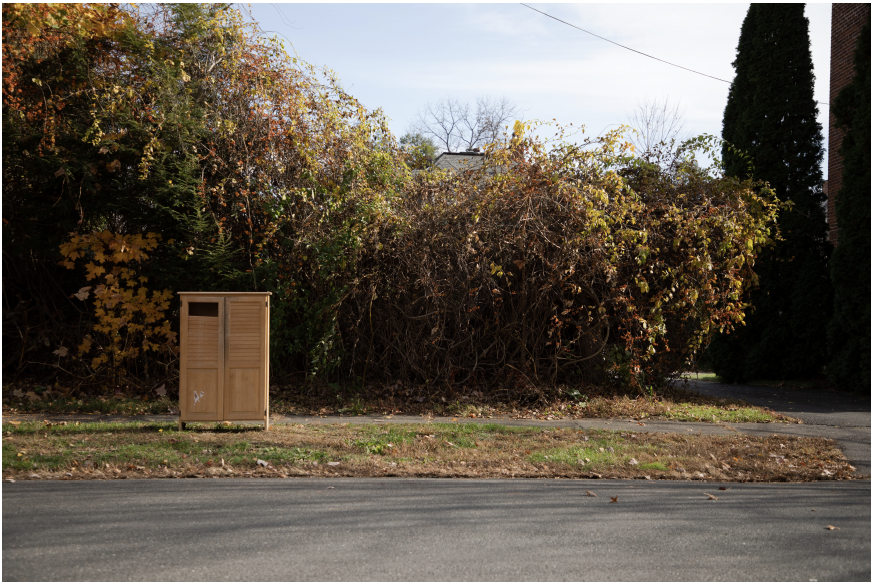
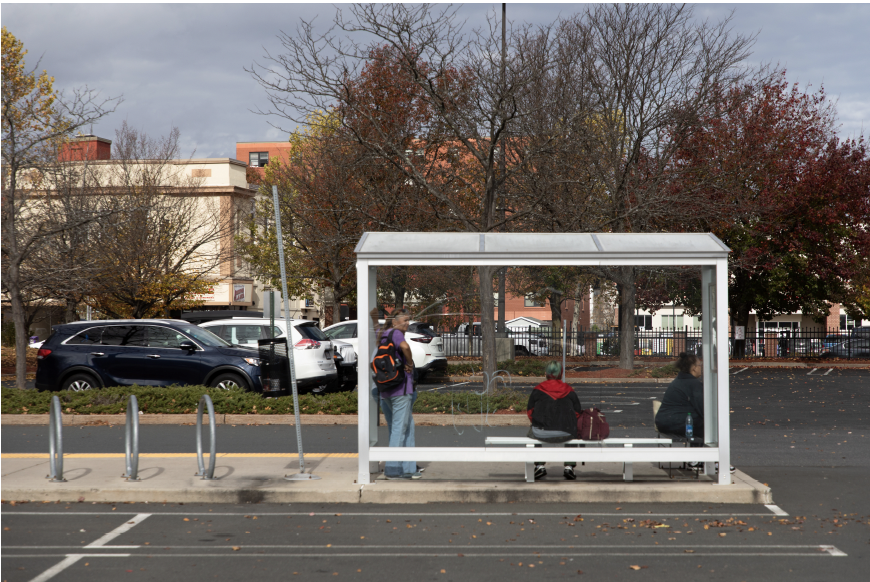
The work I’m most proud of is the photo book I produced while I was taking Greg Marinovich’s advanced journalism class. The entire process of the work kind of made me come to terms with how I think as an artist and made me learn a lot about myself. Through that it made me kind of hone my style of photography. The way I think about some things is uninteresting I would say, but there’s beauty in that too. You can find beauty in really anything if you look hard enough.
That’s really made me think more about even the non-journalistic photography that I do. It’s helped me find interest in simplicity. For that project I shot my hometown which is out in Westfield, Massachusetts. Most city goers would definitely call it dead but shot it, I did. I had always seen beauty in my town but that project made me see it even more and come to terms with the fact that it’s kind of boring but that’s ok. You can work with it no matter what and you can make simplicity not the eyesore that it usually is to everybody else.
You can show it to other people how it looks through your own eyes. That’s a really great thing about photography. Know how it can succinctly put you into somebody else’s point of view and make you understand things quicker than words, if not completely independently of words, and in a way that words never could.
What advice would you give to a current or future COM student?
I would say to always be curious. Even if you think a specific field of journalism isn’t your thing, we have so many things that you can get involved with. It’ll just give you that chance to see if it’s yours. If you do enough, you’ll be able to really ascertain whether you can succeed in the field of journalism. You’ve got to establish that breadth of experience with photojournalism, radio journalism, TV journalism, print journalism.
The extracurriculars are huge for getting into it, but I would say the classes are where you really find your stride. More than the extracurriculars they are going to help you figure out what you want to do and where your talent lies.
Leave a Reply