Brands are turning to college students more than ever before. Are ambassador programs valuable communications experience for students, or just a way for brands to get cheap labor?
There’s nothing college students love more than free stuff. On monotonous days filled with classes, meetings, and papers, my one reprieve is walking down Commonwealth Avenue knowing I am certain to encounter some free product.
College students have traditionally been on the receiving end of promotions like these. More recently, however, they are the ones actually doing the promoting. Brands have realized the best way to reach students is through students.
According to Indeed, a brand ambassador “acts in a professional capacity as a representative of a brand to promote its products or services.” Brands use these ambassadors to speak to consumers through other consumers who they trust, a method that is especially popular on college campuses. While each “brand ambassador” role is simlar, responsibilities can vary from brand to brand and program to program.
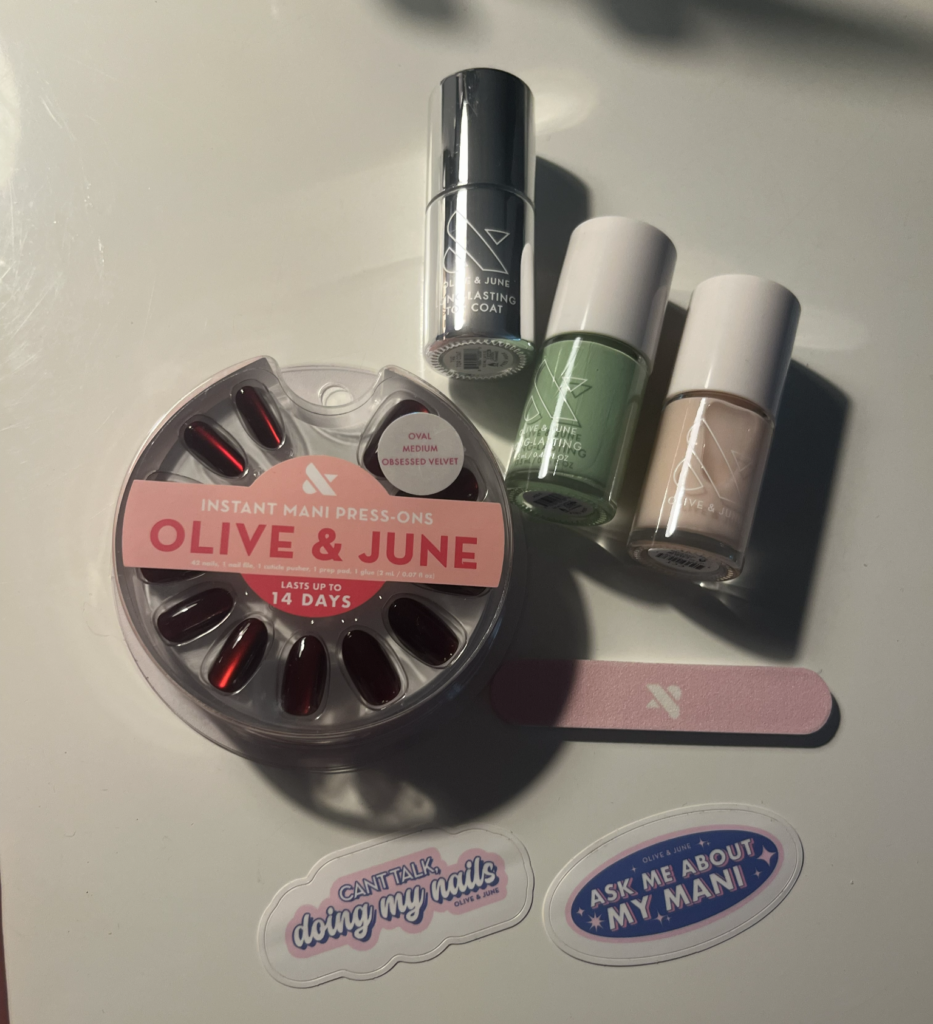
For Mia Kitaeff, a junior at Boston University and an Olive and June brand ambassador, it was an ideal voluntary experience. “The program worked by offering challenges that the ambassadors could do on their ambassador portal to earn points, and then could later use those points to score some free items,” said Kitaeff. “ I was posting on TikTok only every so often, when the challenges were feasible for me.”
Brianna Thel, a BU junior and former Princess Polly brand ambassador, had a more structured experience. “I was required to make about two videos per contract, which were renewed monthly, that highlighted their clothes,” said Thel. “They were pretty flexible and encouraged me to make videos that were in line with what I was already making.”
With that responsibility came more perks. Thel received $100-$200 worth of product per contract.
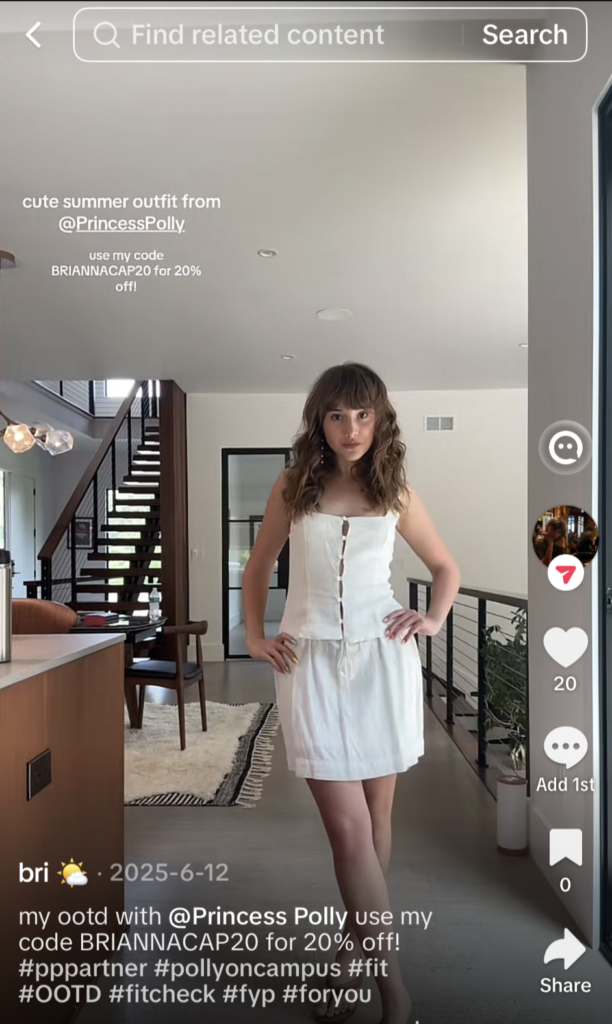
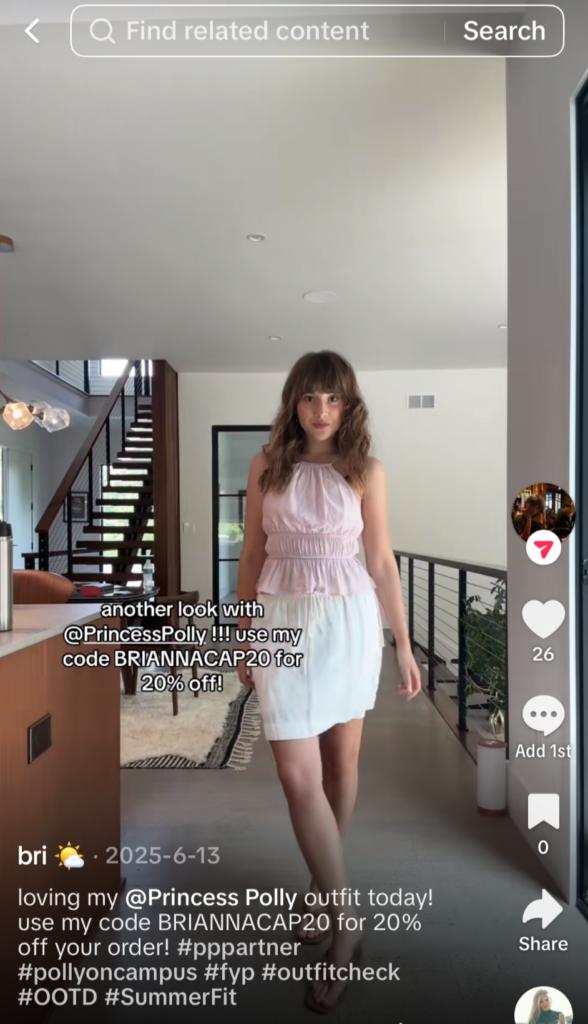
Princess Polly brand ambassador TikTok content. (Photo/Brianna Thel)
Aside from the beauty and fashion industries, consumer and fitness brands also frequently tap into the power of college ambassadors. For Sara Gelven, a senior at the University of Pittsburgh and brand ambassador for BUM Energy, that means free products to power her workouts. “I get sent free products to have and disperse to friends,” says Gelven. “I also can request products for organization events.” For Gelven, an added incentive is a commission-based approach: She receives compensation from each sale made through her personal product code.
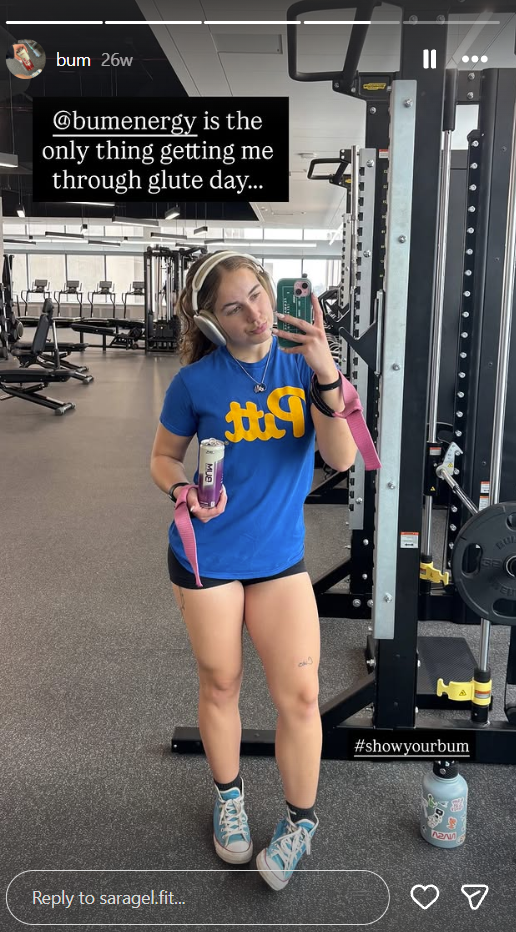
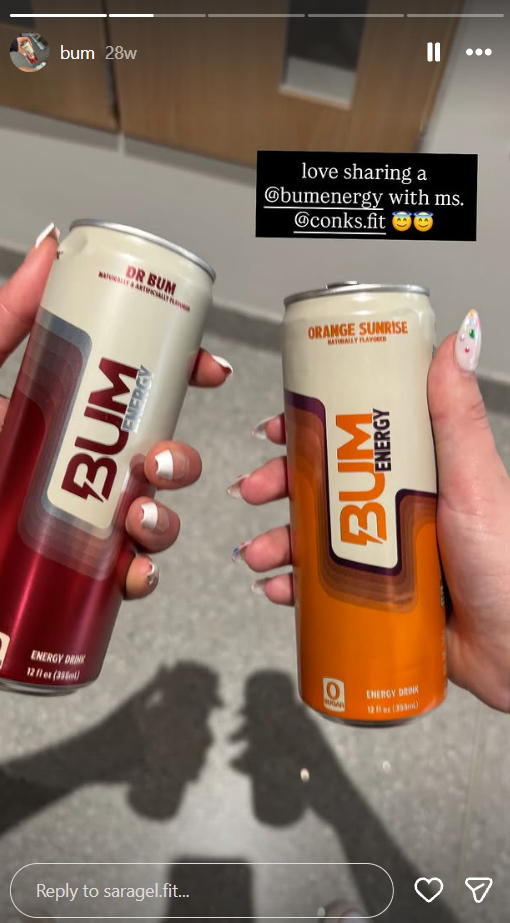
BUM Energy brand ambassador content. (Photo/Sara Gelven)
The relationship between brands and college students is two-way. Campus roles give students marketing, social media, and event-planning experience. The biggest perk for brands, on the other hand, is word-of-mouth marketing.
“Influencers are nice, but people my age often take the word of their peers more seriously,” said Thel. “I think that marketing through everyday college students creates a closer sense of community and trust in the brand.” Plus, campus ambassadors add a layer of authenticity to brand communication.
Ambassador programs are especially effective when students are truly enthusiastic about the brands they represent. Fitness is a strong passion for Gelven, so she was thrilled for the opportunity to work with a brand she admires. “I do really love the company,” said Gelven. “I have worked for other energy drink [companies] that I didn’t really love, but I truly love this company and owner. For me, being able to post about it and get early access to the product feels really cool.”
The biggest perk for brands, on the other hand, is word-of-mouth marketing.
What’s more, brands can help college students build communities centered on a shared love for the brand.“Some people [say], ‘Oh it’s cool that, you know, you work for [BUM],’ and they’ll ask for a piece of product and then they’ll talk to people who’ll ask for a product, too,” Gelven said. “It’s, like, nice being able to kind of build that sort of community off of it — even if it is, like, capitalism.”
Since many ambassador options are unpaid (apart from free products and commissions), brand ambassador programs also raise ethical concerns.
“It’s much cheaper for brands to use ambassadors than it would be if they were paying employees to do the same job,” said Kitaeff.
“I’m not against brands using ambassadors on campus, but I do think it’s a little like preying on the weak, because it’s easier to convince [college students] than it is to convince people who have full-time jobs or are paying for housing,” said Gelven.
Then again, a brand ambassadorship gives students hands-on experience in the professional world, especially for those looking to start careers in marketing or public relations.
“The process of brand gifting and influencer relations is super interesting and a big part of PR today,” said Thel. “That side of the industry is harder to get experience in as an intern, so being the quote unquote ‘influencer’ gave me a good idea of how these processes happen and the work that goes into those partnerships.”
For college students, a brand ambassador role offers many benefits: free products, professional experience, and even a foot in the door to the influencer marketing industry. For brands, it means access to authentic students and their networks.
Ultimately, the question remains: Do students get as much from these partnerships as they give?
Madeline Wines is a passionate communicator pursuing a career in public relations and marketing. Madeline hopes to use her content creation, writing, and agency experience to serve a wide client base upon graduation.