More than half of U.S. college communication programs require students to complete one internship prior to graduation. The goal is to prepare students for their careers through real-life experience and help them stand out among a sea of qualified applicants. However, while industry experts have seen the communications job market interest increase in recent years, it has also become more competitive, challenging, and selective.
Today, most students who found full-time employment within six months after graduation completed more than one internship. After all, no matter how many bullets you add, one internship experience alone can’t fill a resume. This leads students to seek other growth opportunities outside of the traditional internship. And that’s where a school’s resources can make a difference.
Communication programs offer a range of opportunities for students to build their experience and refine communications skills. These differentiators range from extracurricular activities, clubs, and organizations to leadership positions, capstone projects, freelancing, and sometimes another internship.
While this can sound discouraging, that additional experience isn’t as hard to gain as you think. BU offers a variety of opportunities for students to gain real-life experiences that are worth adding to the resume and portfolio — and even talk about during an interview.
1. Join a Club or Organization
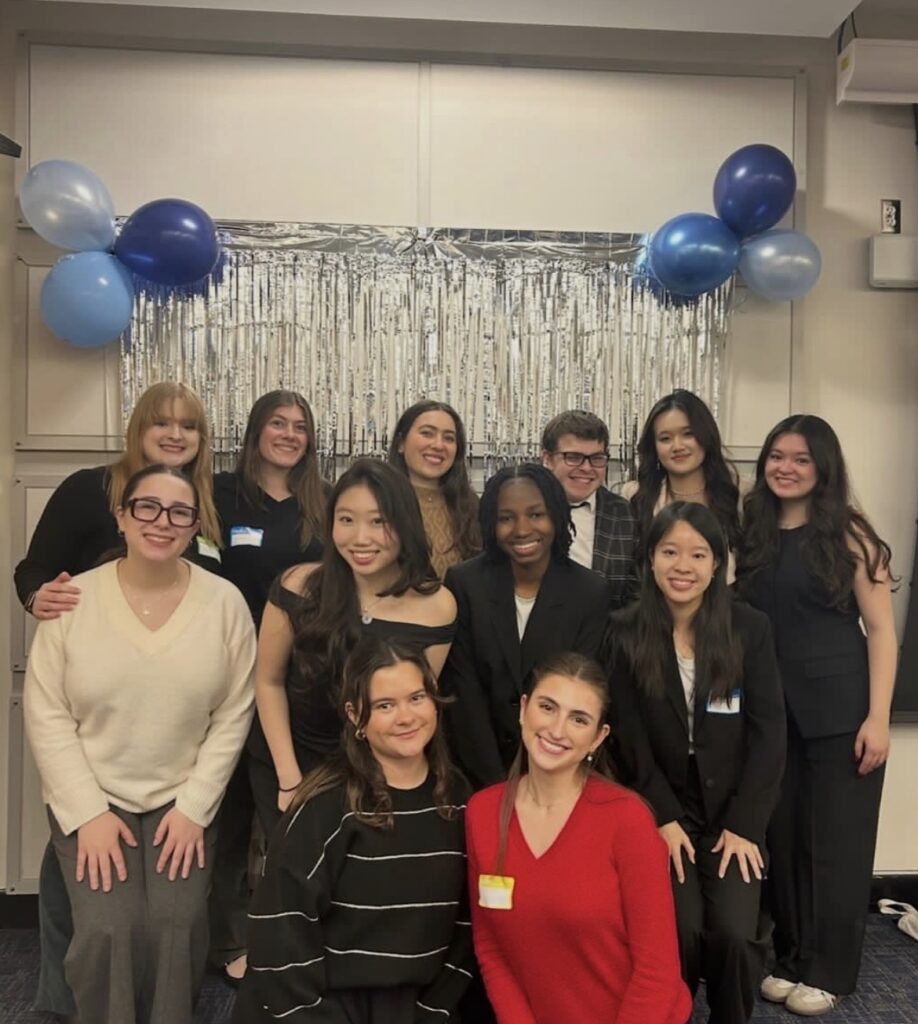
Joining a club sounds like obvious college advice, but COM has organizations that can give you experience directly related to the careers you want. PRSSA offers professional development, networking events, conferences and national competitions. AdClub gives students another way to get involved in advertising outside the classroom. Journalism students can also get experience through organizations and student media like the Visual Journalists Association, The Daily Free Press, BU News Service, and The COMmunicator.
Justin Curran, president of Boston University PRSSA chapter, explained how PRSSA became an important part of his professional development. Through his involvement in the 2025 and 2026 PRSSA Northeast District Conferences, he gained experience in event planning and leadership while building relationships with students, professors, and industry professionals. Those experiences later helped prepare him to take on a leadership role with PRAdvanced. “I’ve been able to be a part of the 2025 and 2026 PRSSA Northeast District Conferences, developing lots of discipline, critical thinking and much more,” he said.
2. Take Advantage of Capstone and Competition Opportunities
Some of the strongest portfolio pieces start as a class project or competition. Through BU PRSSA, students can participate in the national Bateman Case Study Competition, where teams research a real public relations problem and build a campaign around it. Graduate PR students can also participate in opportunities like the Arthur W. Page Society Case Study Competition, which challenges students to analyze real communication issues and present their recommendations. These experiences leave students with more than a grade. A completed campaign, strategy or case study can become a writing sample, portfolio piece, or something to discuss in an interview when an employer asks, “Tell me about a project you’re proud of.”
3. Start Networking Before You Need Something
Networking tends to sound much scarier than it actually is. It doesn’t mean walking into a room of strangers with a stack of business cards and trying to get a job. At COM, networking can happen through guest speakers, professors, alumni events, conferences, student organizations and even the classmates sitting next to you.
PRSSA, for example, connects students with industry professionals and alumni through conferences, workshops, and other professional development opportunities. COM also has more than 30,000 alumni working across communication fields, which gives students a large community to learn from before graduation. The goal doesn’t have to be getting something from every person you meet. Sometimes, simply having someone remember your name and the work you are interested in can make a difference later.
4. Try PRLab or AdLab
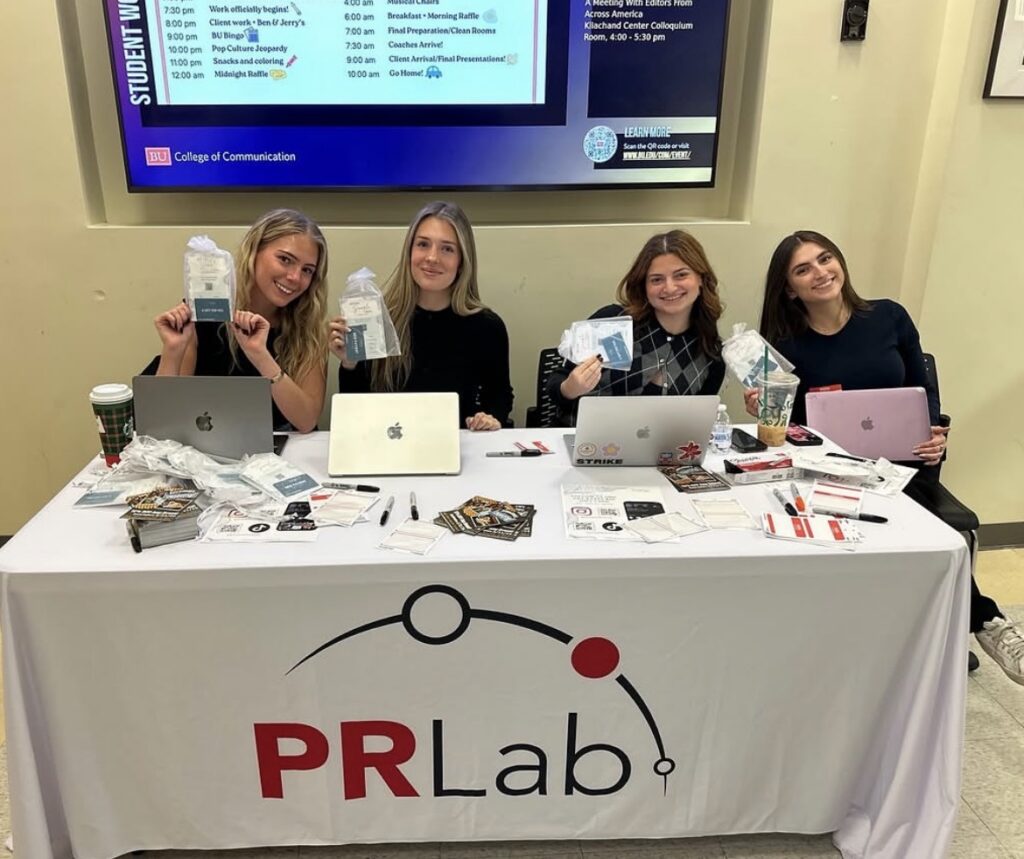
There is classroom experience, and then there is having an actual client waiting for your work. PRLab and AdLab enable students to get that experience while still at BU. Founded in 1978, PRLab operates like a real public relations agency with directors, account supervisors and account executives working with Boston-area companies and nonprofits. AdLab gives advertising students a similar opportunity to develop strategic and creative campaigns for real clients with guidance from faculty advisers.
Curran said PRLab can be especially helpful for students who have not yet landed their first internship. “Having some experience through PRLab is a great way to get your foot in the door if you haven’t already,” he said. The experience also gives students something concrete to show employers: client work, campaigns, and examples of how they handled deadlines, feedback, and teamwork.
5. Freelance and Build Your Own Brand
Not every experience needs to come with an official internship title. Freelancing gives students a way to practice their skills while building portfolio work. That could mean managing social media for a small business, writing for an organization, designing graphics, creating videos, or helping someone build a communications strategy.
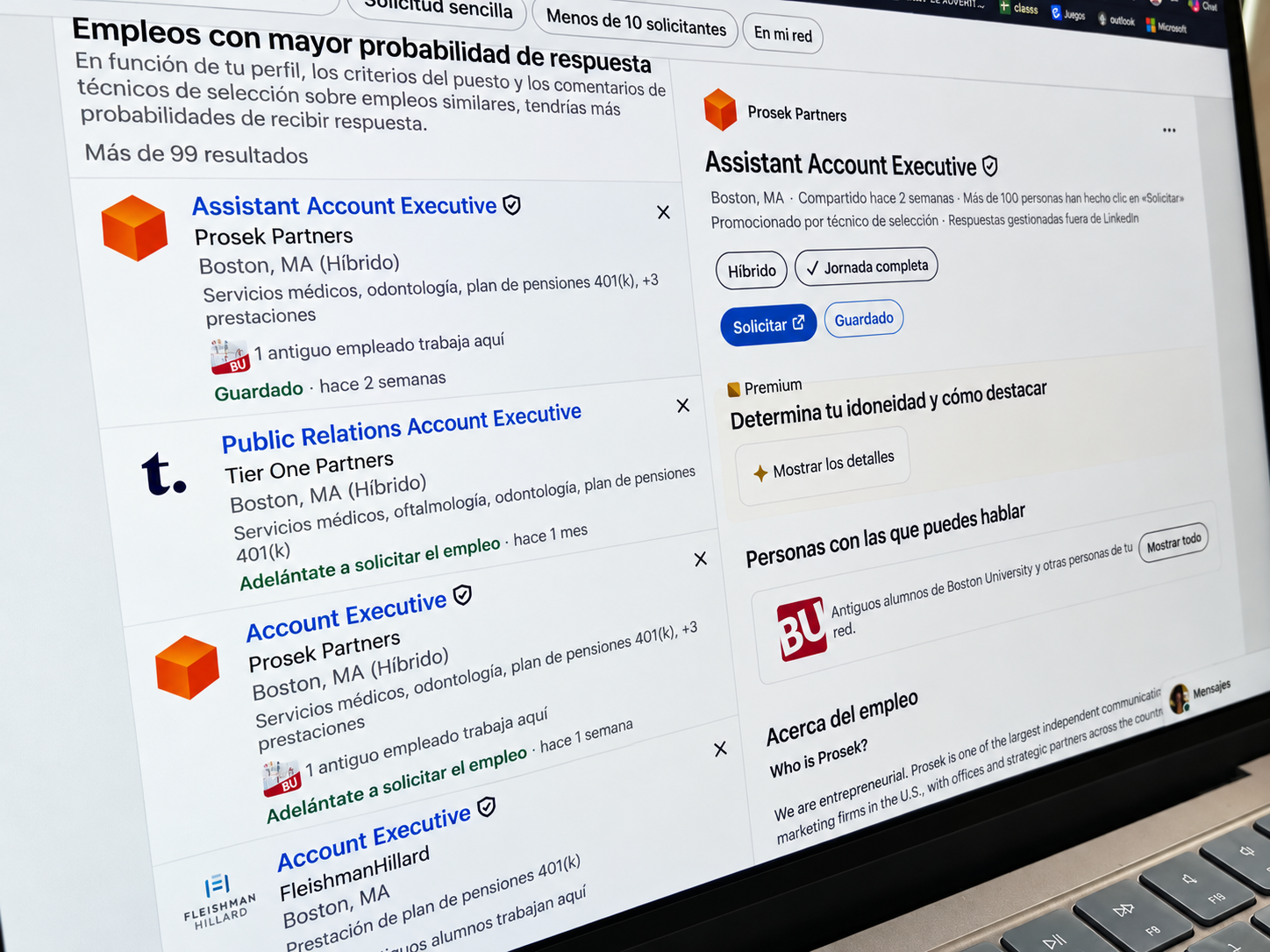
The same idea applies to personal branding. Keep an updated LinkedIn profile, create a portfolio, and share work you are proud of. That helps employers understand what you can actually do before they ever meet you. If no one is handing you the exact opportunity you want yet, creating your own project can still give you something worth showing.
6. Go on Agency Tours
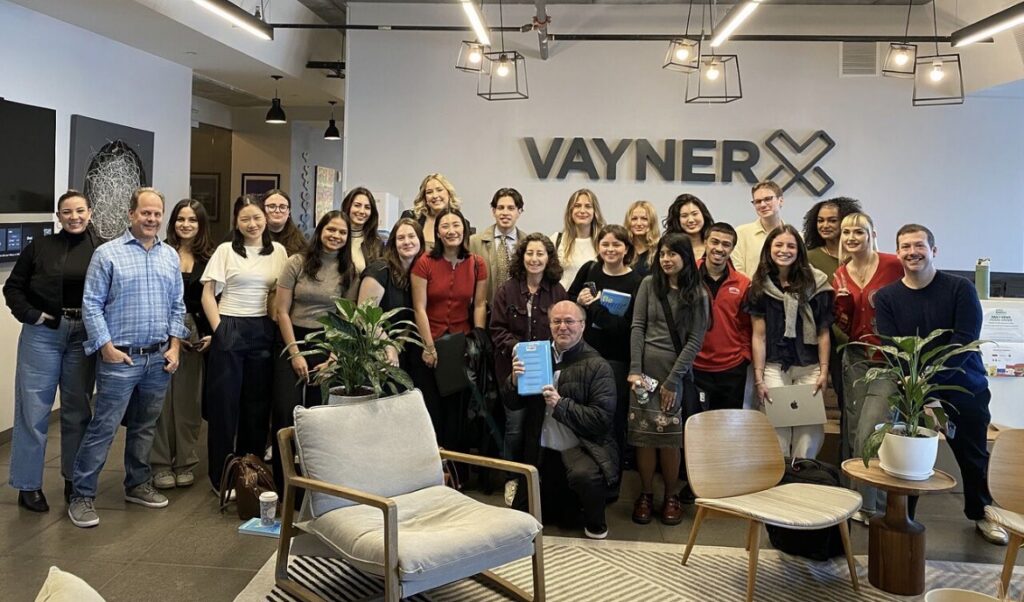
Agency tours give students a look at an industry that is difficult to understand through a job description alone. Visiting an agency allows you to see how teams work, hear about different roles, and ask professionals what their day-to-day jobs actually look like.
They can also help you figure out what you don’t want. One agency may feel exciting while another may not fit at all — and learning that before accepting a full-time position is valuable. BU also offers advertising students experiences like Creative Cafe, where students share their work with professionals from agencies and receive direct feedback.
7. Spend Spring Break in New York!
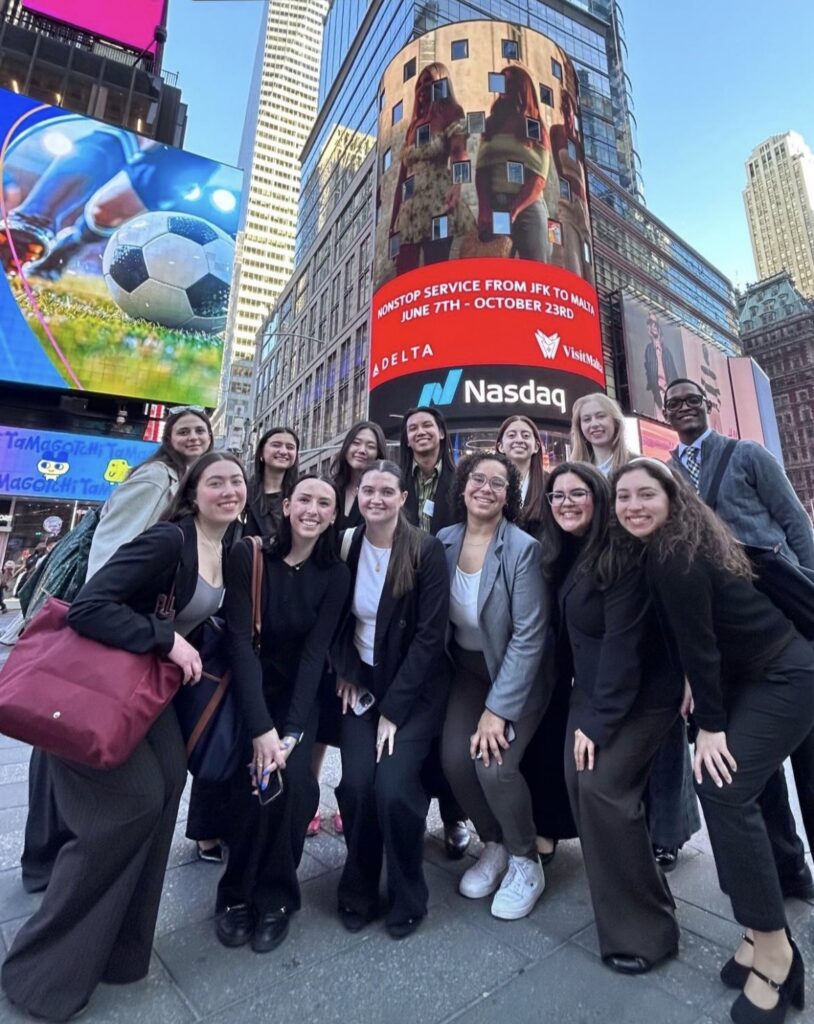
Some students spend spring break away from anything remotely related to school. Others spend it walking into some of the biggest communication agencies in New York City. Each spring, a group of BU advertising and public relations students travels to New York to tour agencies, meet industry professionals, and connect with BU alumni.
Emily Wohl, who attended the trip last year, said one of the biggest takeaways was the number of connections she made with professionals throughout the week. Visiting agencies gave her the chance to learn more about the industry directly from the people working in it while starting relationships she could continue building after returning to Boston.
If you’re beginning to think seriously about post-graduation jobs, those connections can be just as valuable as seeing the agencies themselves. The trip turns spring break into an opportunity to get your name out there, ask questions, and meet people you may otherwise never have the chance to connect with.
One internship can still open an important door, but what you do beyond it can make the difference once you are in the room. The clubs you join, the clients you work with, the competitions you enter, and the people you meet all become part of the experience employers eventually see. For BU students, standing out doesn’t necessarily mean doing everything. It means using the opportunities already around you to build a resume, a portfolio, and professional story that feels complete.
Julia is a Puerto Rican creative writer and public relations professional pursuing her Master of Science in public relations at Boston University. Her work is rooted in storytelling, creativity, and culture.