
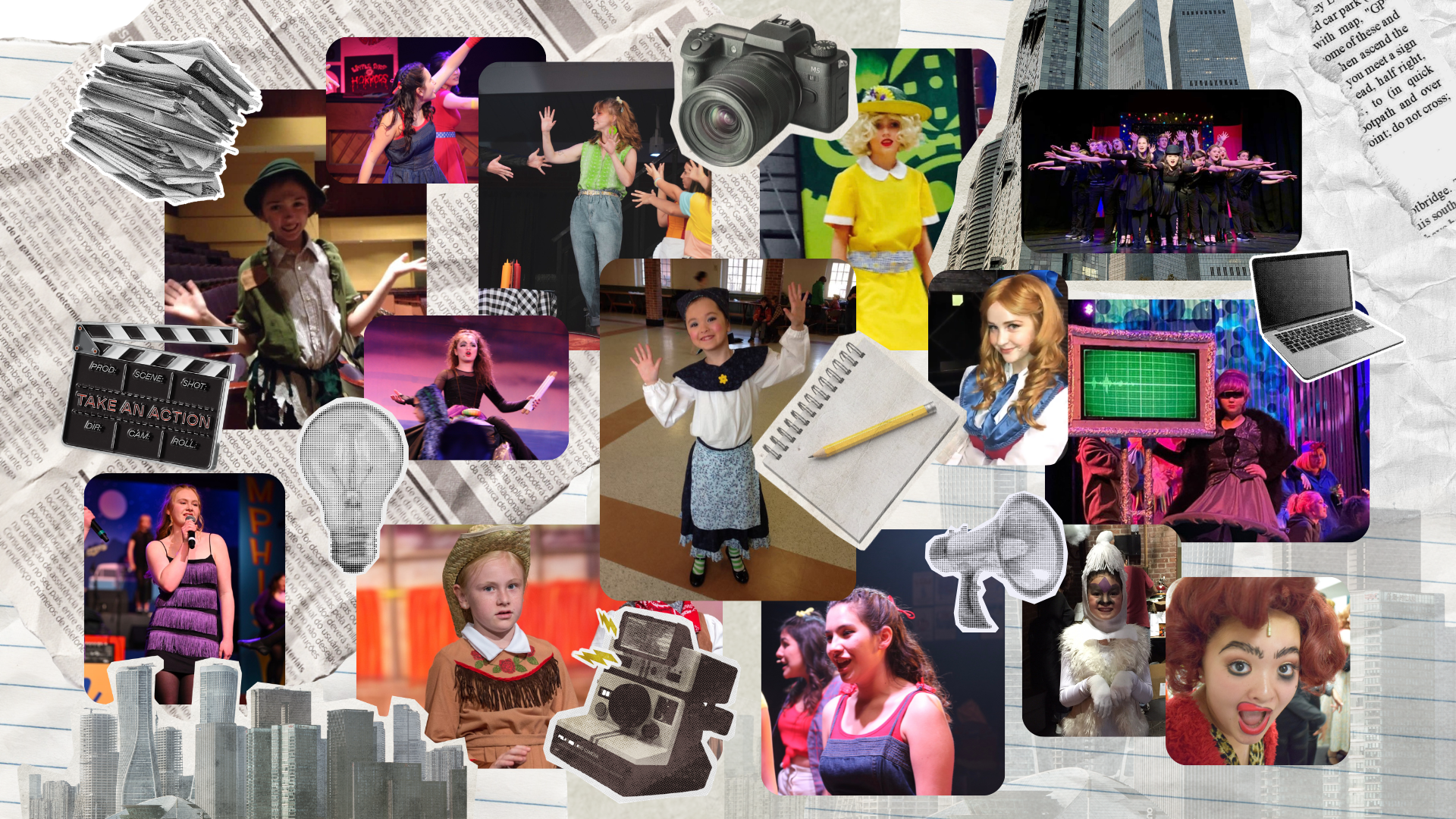
I have a sixth sense when it comes to spotting theater kids, and BU COM is full of them.
I know – because I’m one.
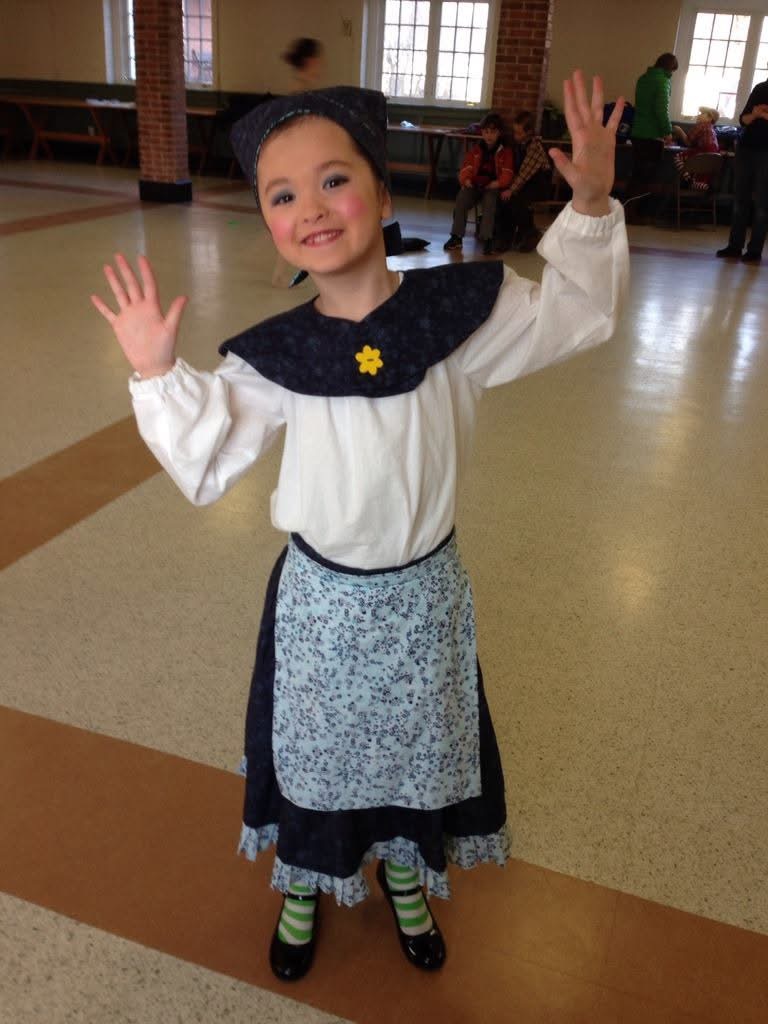

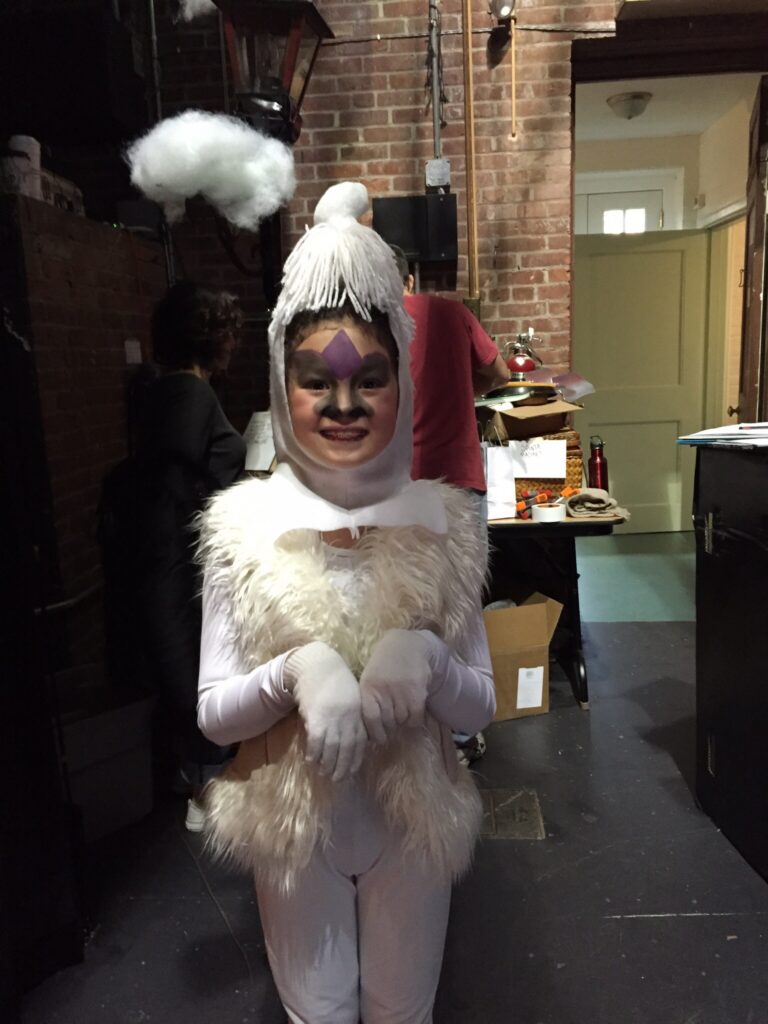
I grew up in theater. My whole life, from 8 to 18, revolved around learning lines, singing show tunes, and practicing choreography (poorly, might I add). Now, at age 20, I realize that an entire half of my life was secretly preparing me for a career in communications.
When I came to BU, I noticed a pattern: Many of my peers had a similar trajectory.
So why is COM so full of theater kids?
The answer: It’s because the skills of a successful actor are the same as those of a successful communicator.
Actors and Communicators are Both Storytellers
COM’s slogan is, “We are storytellers,” but for many students, the storytelling started long before their communications journeys began.


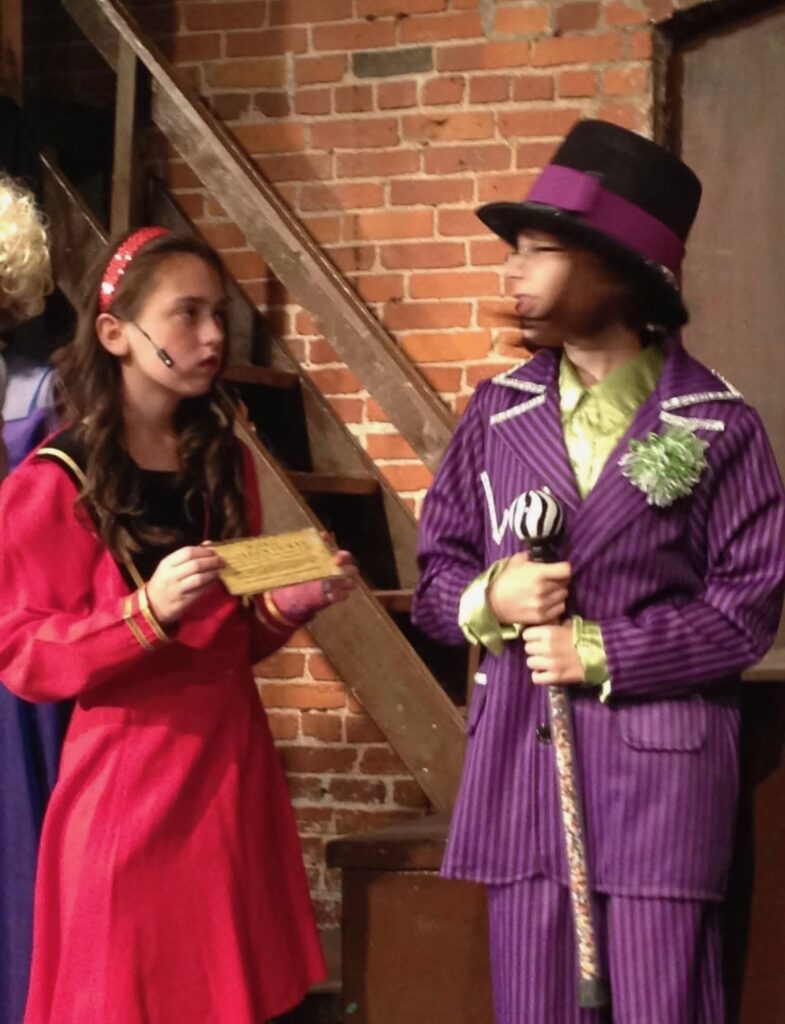
“The aspect of theater that I fell in love with was the storytelling and the writing aspect,” said Kaylin Moriarty, a public relations graduate student (and former theater kid). While Moriarty wasn’t always certain of her career path, storytelling was a consistent guidepost for her.
“I ended up taking a journalism class in undergrad,” said Moriarty, “and when I took that class, I realized it’s kind of like theater in the sense [that] I’m telling people’s stories, and I’m really getting to know these people and amplify their voices.”
The similarities between the two disciplines drew Moriarty to communications, first as an undergraduate in journalism and communication. She uses her theater skills daily by telling stories through her public relations work.
Actors and Communicators are Team Players
Plays and musicals are composed of casts, crews, and orchestras. All of these groups collaborate for months on end to create a full-scale production. These moving parts work in tandem, with crews moving sets, actors engaging with each other, and the musicians shaping the emotions behind the senses and songs. Everything works together, just like it does in communications.


“Everyone has a different part that they have to fulfill, and it’s really important that everyone is on the same page and is communicating regularly,” said Morgan Oakes, an advertising undergraduate student at COM (and retired theater kid). “If people aren’t communicating, it won’t quite work. I definitely have experienced that, both in theater and also in client work.”
The similarities between casts and agency teams are indisputable. “Everyone’s working toward a common goal, which is so important in both settings,” said Ava Baima, a public relations undergraduate at COM (and retired theater kid). “And in both settings, everybody’s really passionate about what they’re doing. It’s everyone doing equal parts, or at least everyone making some kind of impact.”
That collective impact brings meaning to the team. The immersive cast experience helps prepare us for future work in communications. “I feel like there’s such a deep element to casts,” said Moriarty, “especially learning the material and figuring out how to collaborate in those ways. It definitely translates to communications and things like client work.”
Plus, in both settings, success is contingent on team cohesion and effective collaboration.
Actors and Communicators Need Thick Skin
Feedback is a crucial tool for improving at anything. But many people outside the theater world don’t realize how hard that process can be.
In theater, rejection starts early. You audition for roles, and you don’t always get them. I’ve gone out for lead roles and been rejected. I auditioned for shows where I didn’t even make ensemble. While the rejections hurt the first few times, they gave me thicker skin when applying to internships, fellowships, and scholarships. That’s an advantage I’ve developed, and many of my theater-kid peers would say the same.
Alas, casting is only the first hurdle. After you join a show, each rehearsal typically ends with “cast notes,” where the group sits in front of the director and receives feedback. You hear what your castmates need to do better, and they hear what you need to do better. It can get quite uncomfortable, but it’s beneficial once you get used to it.
“I’m pretty good at taking feedback from other people because my theater director was pretty blunt,” said Oakes. “She would very much just straight-up say what she was thinking, and I feel like, for better or for worse, theater made me a little bit of a perfectionist.”
Feedback is crucial, whether you are creating client deliverables, workshopping a screenplay, or even writing an article for print. Both theater and communications have iterative processes, and thick skin only helps streamline that.
Actors and Communicators Know How to Perform
If you think about it, communicating is performing. You’re telling a story, presenting ideas, pitching other professionals, and showcasing your own skills as much as possible. For theater kids, this isn’t new.


“It’s so silly now, if I’m scared for a group presentation, when I’ve performed in front of thousands of people,” said Baima. “I’m not afraid to put myself out there.”
Plus, a background in role-playing can help when you need to put on a brave face in a big client meeting. “When I meet with a client — in terms of stepping into a business persona — it almost feels like a role that I’m like taking on in a way,” said Oakes. “Even though it’s still me, it’s not as dramatic, and I’m not completely changing personalities.”
The ability to present, speak, and command presence in a room are all essential skills for communicators.
Next time you take a COM class or hang out in the COM lounge, take a look around you. That public relations student practicing a presentation, or the film student collaborating with their crew, or the journalism student interviewing a subject may all secretly have theater in their blood — a past that strengthens everything they do in communications.
While we theater kids may have stepped away from the spotlight, the years we spent performing were not wasted. In fact, they were preparation for our future careers.
Sincerely,
Madeline Wines
Retired Theater Kid
Madeline Wines is a passionate communicator pursuing a career in public relations and marketing. Madeline hopes to use her content creation, writing, and agency experience to serve a wide client base upon graduation.


Leave a Reply