
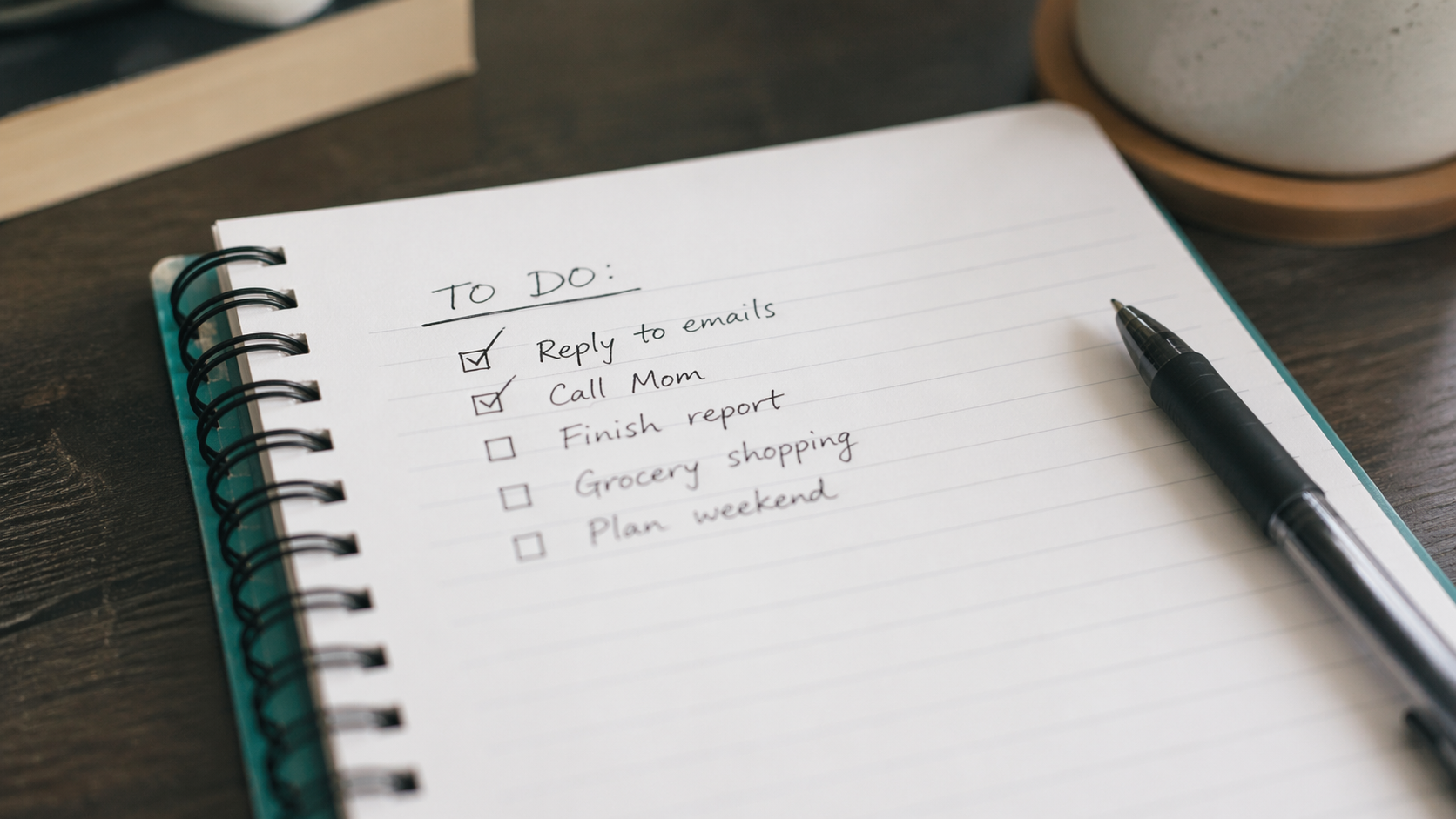
How to stop “fake busy” habits and make the first step easier.
I used to think procrastination was a sign of a lack of self-discipline, but I eventually realized that what really got me stuck wasn’t the work itself, but the will to start.
Strangely enough, the things I procrastinate on most are the ones I care about very much and want to do well – such as starting a paper, preparing a presentation, or scheduling office hours with my professor. The more important something is, the harder it is for me to start.
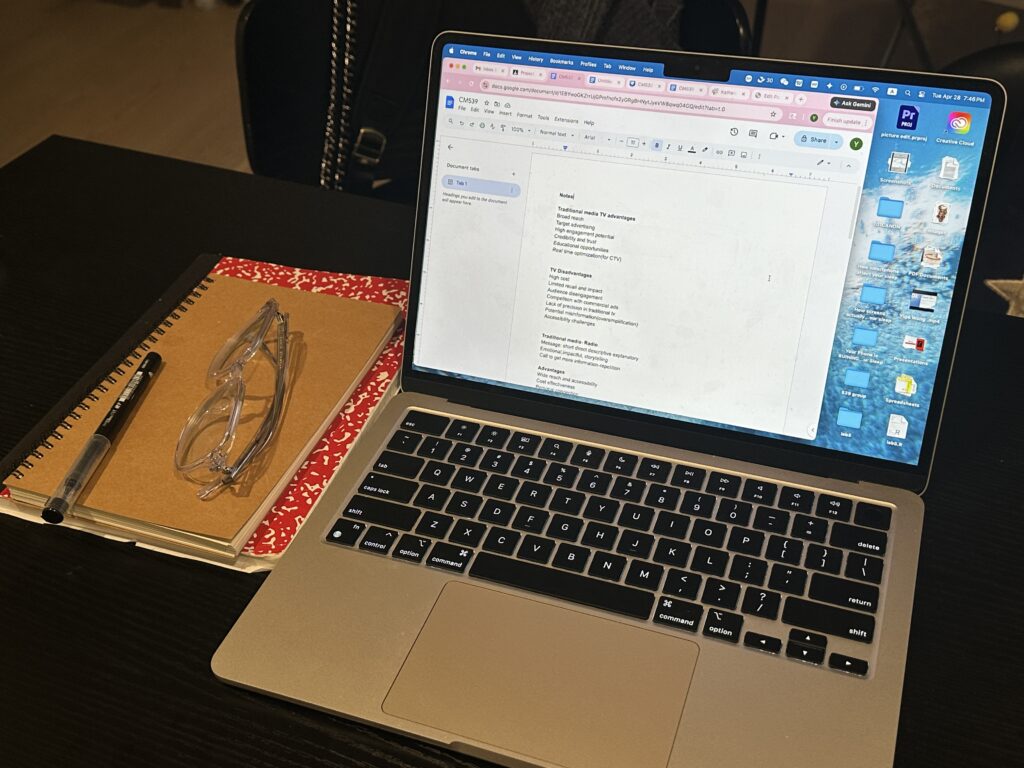
From a brain perspective, two systems feel like they are pulling at each other. The prefrontal cortex is responsible for planning, self-control and keeping goals in sight. But when I’m stressed and tired, it doesn’t work as well. It’s hard to make decisions or concentrate when I face a lot of pressure and a heavy workload – but don’t get enough sleep. At the same time, trivial matters such as scrolling on Instagram and organizing documents give me a quick sense of accomplishment. They can relax me immediately and even give me the illusion that I’m productive. This made me adopt a “fake busy” mode when writing my thesis. I looked up the materials very carefully and made a good plan, but I just didn’t start writing. I was just laying the groundwork for my thesis without actually starting.
I gradually realized procrastination has an even more crucial function – to help me deal with my emotions. For instance, I’m worried I won’t write well or that others might think I’m not professional. My brain will choose not to start, because for a period of time, my anxiety decreases, and I don’t have to face the results for a while. However, this reprieve is only temporary. The longer it drags on, the greater the pressure becomes. In the end, I end up staying up late to rush the work, the quality deteriorates, and I end up very tired. Procrastination turns into a vicious cycle.

So I’ve decided to not force myself into becoming self-disciplined all at once. I’ve lowered the threshold for starting. The most useful method for me is actually very simple: I allow myself to write poorly. This small change has greatly reduced the pressure and expectations on myself. First, I set a 10-minute rule for myself where I only need to type out the words. I don’t strive for perfection – no deletions, no edits. The significance of this rule is not to enhance efficiency, but to move the first step to a later stage. After I write the first sentence, the rest becomes much easier . Since the document isn’t blank, I don’t need to imagine the task as a huge mountain, but as a series of small hills.
I also start using small processes to reduce struggles. For instance, when I turn on my computer, I write down three key points. If I want to watch videos, I first put down the phone for five minutes. That reduces the choices I must make at the moment, which makes it easier to begin. I also deliberately control the environment, like preparing the materials I need before I start so that I won’t make excuses and get distracted. Rather than requiring myself to resist temptation, I find it’s better to make the initial environment simple and prevent my brain from fighting.

Finally, I’ve come to understand that procrastination is inseparable from my physical condition. When I stay up late, I feel like my mind is dull, and I can’t concentrate, and I am more likely to be drawn away by relaxing distractions. When I’m under a lot of pressure, I subconsciously avoid it, because starting means facing uncertainty and failure. So now, I don’t strive for perfection. What I care more about is how I can still get a little more active when I’m not in a good state.
If you ever feel yourself slipping into procrastination, pause for a second and don’t start blaming yourself. Ask one simple question: “What is the smallest step I can take right now?” It can be as small as opening the document, writing a title, or typing three bullet points. The goal isn’t to do that perfectly. The goal is to make starting feel possible. Once the first step happens, the rest usually feels less scary, and you’re already moving!
Yige Wang enjoys writing and learning how media messages influence people. She’s interested in communications/marketing and likes combining creative ideas with research. After graduation, she hopes to work on projects where she can tell stories that feel real, thoughtful, and easy to connect with.

Leave a Reply