
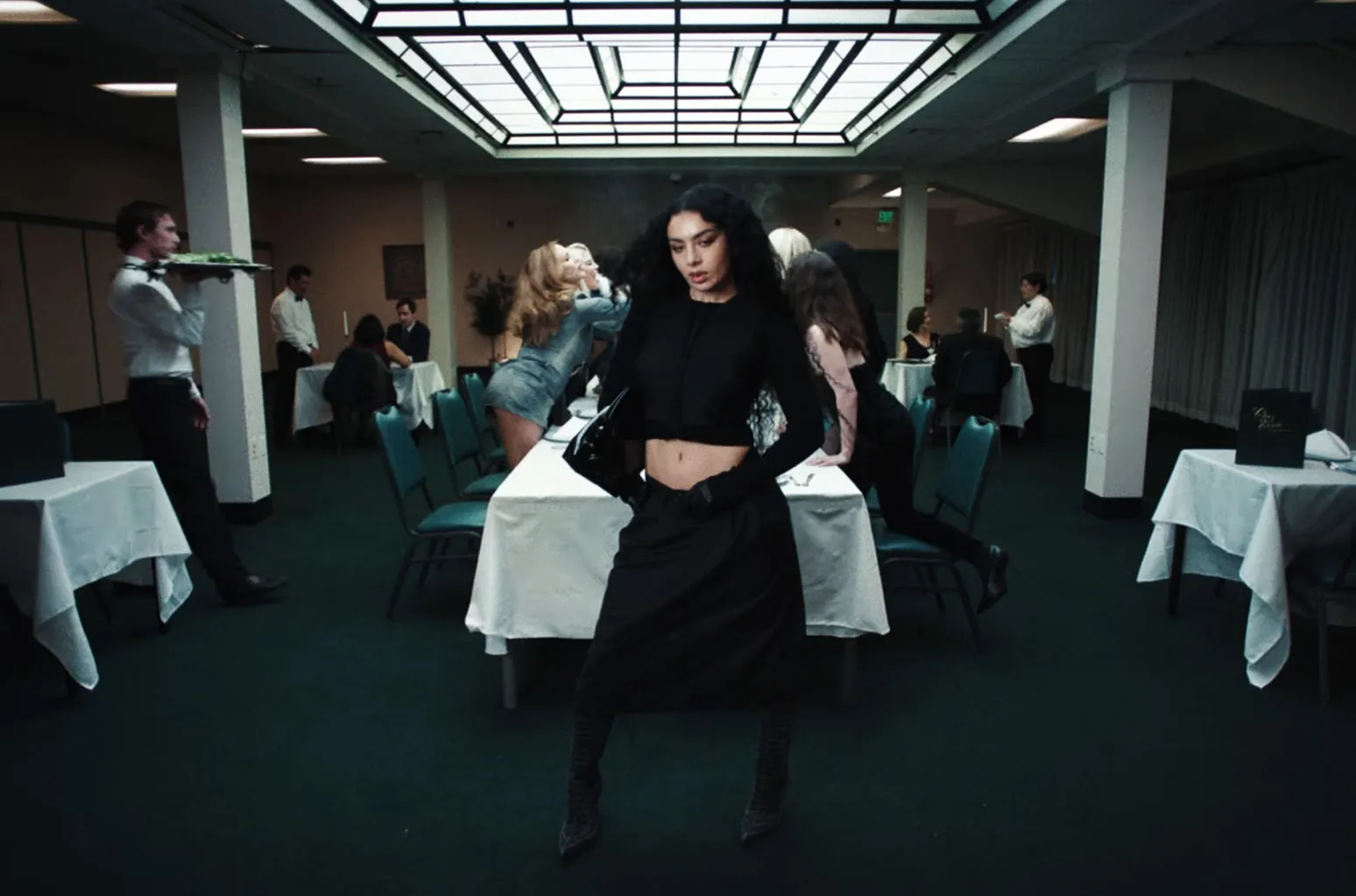
What do Charli xcx and Zara Larsson have in common?
Apart from having their moments of fame in 2025, the internet would say they have both done time in the Khia Asylum.
If you’re chronically online like me, you’ve probably seen the phrase floating around. Born from Stan Twitter, the Khia Asylum has become shorthand for an artist’s period of low visibility, whether due to inactivity or simply being perceived as outdated.
The term traces back to artist Khia, who had a fleeting moment with the track “My Neck, My Back (Lick It)” before fading from the mainstream. What began as an offhand online comment quickly became a running joke. But it also reveals something deeper about pop culture today.
Today, the label gets thrown around so casually that it rarely reflects actual failure. Instead, it tracks attention. An artist can release a single project that underperforms and suddenly be framed as irrelevant. The shift happens quickly, mostly because visibility has become the metric that matters most.
So what happens when an artist gets relegated?
More often than not, the response is a reintroduction rather than a reinvention. A shift in visuals and online presence work to pull attention back in.
Charli xcx offers one of the clearest examples of how this can succeed, particularly with her album Brat.
Brat was more than an album release. It became an internet moment.
The rollout leaned into minimalism yet remained instantly recognizable with a flat neon green cover and lowercase text. Its simplicity helped it stand out in a feed dominated by maximalist visuals. Fans were reposting it, turning it into memes, and shaping it into a shared aesthetic.
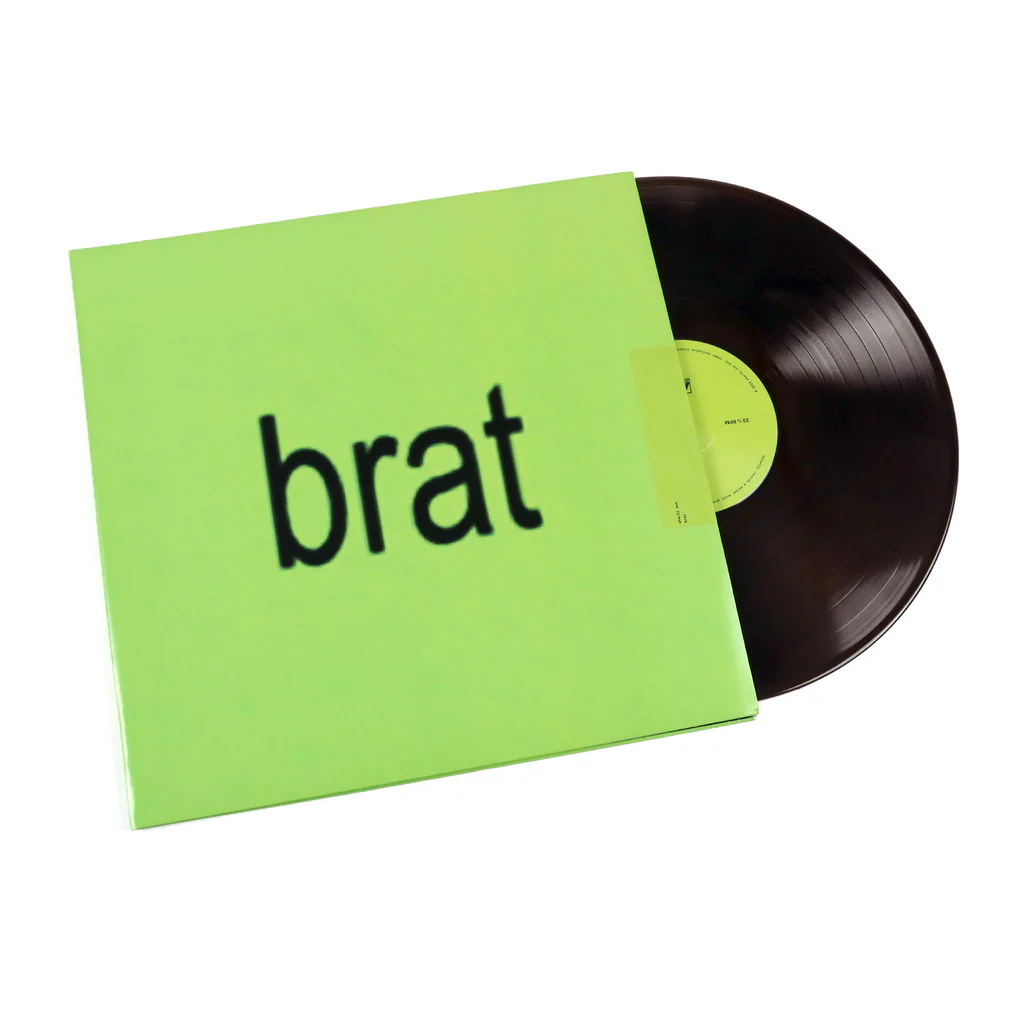
The strong response sparked what the world came to call “Brat Summer,” the cultural moment tied to the album’s energy. The phrase captured a carefree feeling connected to the album’s party-forward vibe. It spread across platforms into fashion and visuals, with people embracing it as a lifestyle. The album was about more than just the songs. It was about something that dominated online feeds and conversations.
Zara Larsson’s trajectory followed a different path, but arrived at a similar outcome.
For years, her music was widely recognized, even if her identity as an artist remained less defined. Songs like “Lush Life” and “Symphony” were everywhere, yet her presence felt diffused. That ultimately shifted when “Symphony” resurfaced through a TikTok trend built around bright, dolphin visuals inspired by Lisa Frank. Rather than distancing herself from the moment, she embraced it.
The aesthetic carried into her album, Midnight Sun, informing its overall look and feel. What could have remained a fleeting moment of nostalgia became a bridge to something current. By 2026, she had multiple songs charting at once, fueled by a mix of renewed attention and collaborations.

At the center of both of these examples is a shared reality. The Khia Asylum may read as a joke, but movement in and out of it is rarely accidental. Visibility is managed. Relevance is constructed. The shifts that bring artists back into focus result from deliberate choices that align with how audiences consume culture now.
It raises the question of who gets to “escape.” Artists like Camila Cabello and Bebe Rexha are still actively releasing music and evolving, even if the internet has already decided where to place them.
Maybe that is the real takeaway. The Khia Asylum isn’t just about who falls off. It’s about who gets marketed well enough to never be seen as falling at all.
Driven by a passion for social media, Gwenyth has a strong interest in communicating impactful messages to online audiences through digital content. Pursuing a Bachelor of Science degree in advertising at Boston University, she is actively building a well-rounded skill set in creative design and consumer insights.


Leave a Reply