
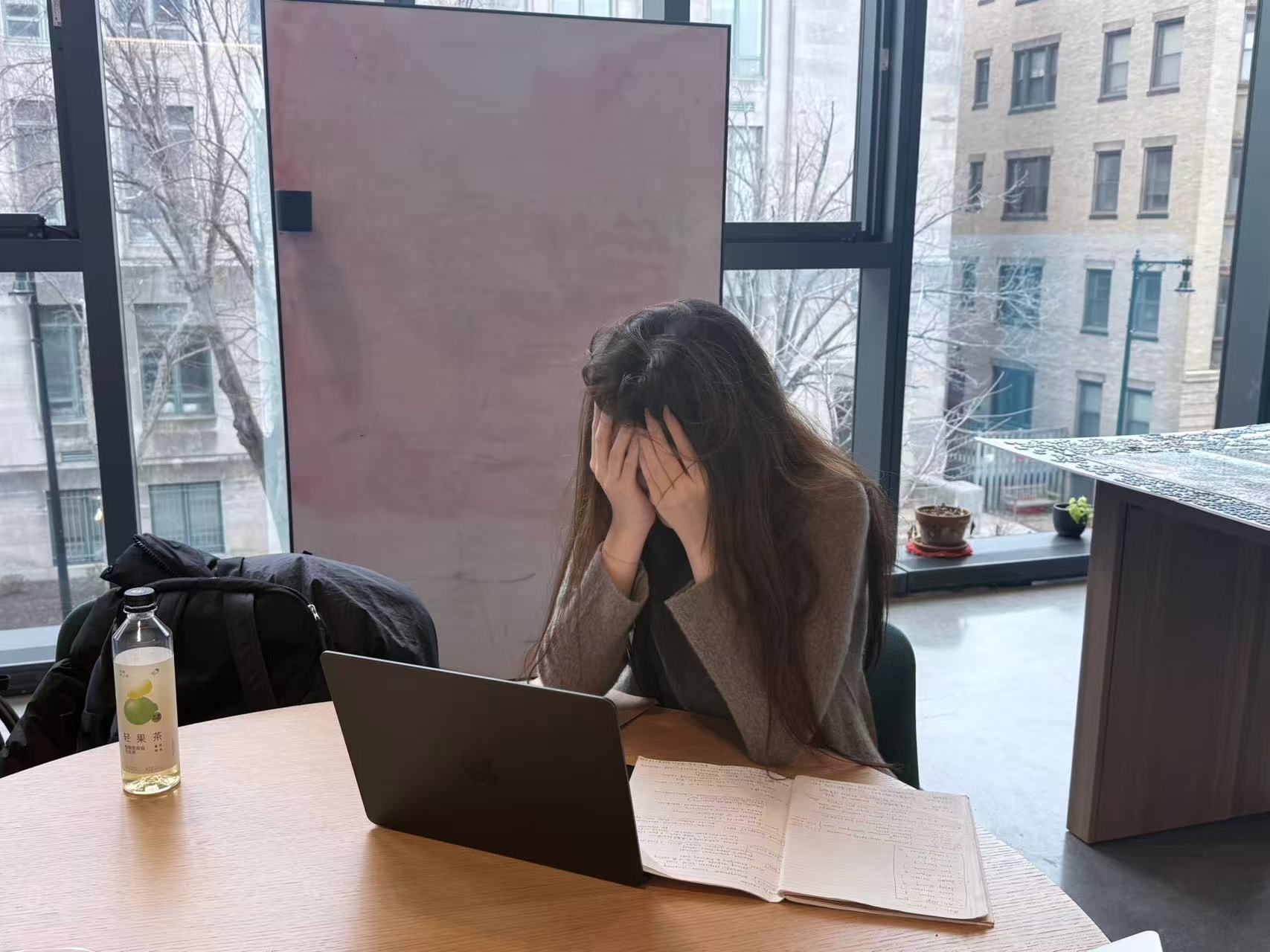
We all have those days when we feel constantly stressed, even when nothing major is happening. Or days when we feel emotionally drained, anxious, or unmotivated for no obvious reasons. Too often, we blame ourselves for a lack of productivity or an inability to control their emotions. However, the real reason may not always be a lack of discipline or motivation. It might be something we often neglect: hormones.
Hormones play a major role in how our bodies function every day. These chemical messengers travel through the bloodstream and help regulate mood, sleep, energy levels, and stress responses. For instance, melatonin controls the sleep cycle, cortisol supports the body’s response to stress, and the thyroid regulates the body’s basic metabolism.
When hormones are properly balanced, we usually feel relaxed, energized, and focused. However, if there are disruptions to this system, we could experience fatigue, anxiety, and bad moods.

For many students, hormonal imbalance correlates with lifestyle habits. College life often includes irregular sleep schedules, heavy academic pressures, and unhealthy eating routines. Staying up late to finish assignments or spending hours on phones and laptops may disrupt melatonin production, making it more difficult to fall asleep and wake up refreshed. Meanwhile, continuous anxieties about deadlines, exams, and the future can also raise cortisol levels, creating a constant state of stress in the body. Over time, these behaviors may eventually cause students to suffer from exhaustion and emotional overload, leaving them with no idea what to do.
Fortunately, there are a few ways to achieve a better hormonal balance and lessen these negative effects, diminish specific problems, and leave you in a better mood.
1. Improve sleep habits
Go to bed and wake up at a regular, consistent time to help regulate your body’s internal clock and improve energy levels.
- Maintain healthy nutrition
Balanced meals with sufficient protein and vegetables may help stabilize blood sugar and support hormone regulation.
- Exercise regularly
Physical activity can reduce stress hormones and improve mood. Simple activities, such as walking, stretching, or spending time outside, can increase dopamine and make a difference.
- Manage stress effectively
Small habits that bring joy can be helpful. For example, meditation, drawing, or taking short breaks during the day can help calm the mind and reduce stress.
- Listen to your body
Fatigue, anxiety, or emotional instability can signal that the body needs rest. It is important to allow bad moods to happen and face problems with a positive attitude.
Life can be overwhelming, but learning how to live in peace with our hormones is important for self-regulation. This means listening to our bodies, resting when needed, and keeping routines that support sleep, nutrition, and balance. Instead of condemning ourselves when we feel stressed out, we can learn better habits to support ourselves. Understanding this knowledge can help us achieve better mental health, stronger focus, and a more balanced college experience.
Emma is studying media science at Boston University. Her passion sticks with the path of content creation, including filming and video-editing, and she looks forward to using these skills to pursue related careers in the future.





Leave a Reply