
Everyone knows the “LinkedIn lure”: endless “I’m excited to share” posts, subtle self-stalking, and frantic searches to make connections in a process that somehow feels more stressful than applying for jobs themselves.
For college students and early-career professionals, LinkedIn is framed as the gateway to opportunity. It is the platform where you build your personal brand, grow your network, and prove you’re “career-ready.” But somewhere between the endless internship announcements and the pressure to send perfectly worded messages to strangers, the platform starts to feel less like a tool and more like a source of stress.
The result is something many students experience but can rarely name: networking fatigue. It is the draining feeling of constantly being told to “put yourself out there” while quietly worrying you are doing it wrong.
Networking is not supposed to feel like this, but the way it’s often described makes those feelings almost inevitable. Conversations with 11 different students across three universities found that the most common adjectives reflect these feelings: “draining,” “stressful,” “overwhelming,” and “transactional.”
Why Networking Feels So Exhausting Now
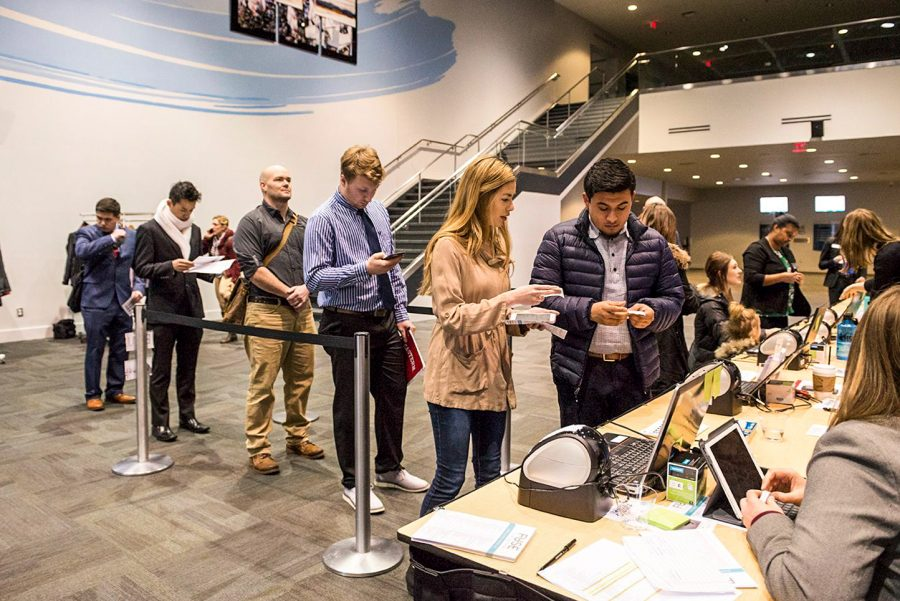
Networking used to be something we did occasionally — an event, a conversation, a follow-up. Now it feels like something students are expected to do constantly. It’s not just about meeting people. It’s about staying visible, staying relevant, and staying impressive, all while balancing classes, internships, part-time jobs, and the pressure of post-grad uncertainty.
Suhani Mehrotra, a fourth-year medicine student at RCSI said, “I’m tired of networking. I hate it. It feels like I’m talking to someone just to get something out of them, and it’s draining. LinkedIn makes it so much worse with the constant reminder of what I should be doing.”
LinkedIn adds another layer to simply finding job opportunities. You watch as other people announce their successes, which makes networking even more emotionally complicated. You’re not reaching out in a neutral environment. You’re reaching out in the middle of a feed that quietly suggests everyone else is ahead.
The Biggest Mindset Shift: Curiosity Over Desperation
One of the biggest reasons networking feels uncomfortable is because students are taught to approach it like a transaction. The assumption is that networking is asking someone for something: a referral, a call, a connection, a job lead. Even when the message is polite, the mindset underneath it is often anxious: I hope they respond. I hope they can help me. I hope I’m not bothering them.
However, this mindset turns conversations into stressful performances and it makes silence feel personal. In reality, networking works best when it is driven by genuine interest. The strongest conversations happen when you reach out because you are curious about someone’s career path, work, or hobbies, not because you are desperately searching for an opportunity.
Instead of thinking, How do I get something from this person?
The better question is: What can I learn from them? Why is their story interesting? What decisions shaped their career?
Even if you learn one thing from someone, it’s valuable. You never know who can teach you something important and where that can apply in your life.
Personally, I landed an internship by being honest about the limits of my career experience. I actually gained credibility in showcasing my enthusiasm and curiosity to go above and beyond in learning and growing.
Networking Isn’t a Strategy. It’s a Relationship.
Networking is often described like a career hack, but at the core, it is simply relationship-building. Most people know this but still feel intimidated.
Students often feel like they are the only ones gaining something, but that isn’t always true. Many alumni genuinely enjoy speaking with students because they remember being in the same position. For many professionals, offering guidance is not a burden; it’s a way of giving back.
Dhanya Shah, co-founder of Aegis, shares his perspective being on the receiving end of networking. “Many people message me on LinkedIn and, honestly sometimes it’s just hard to get through it all because I’m so busy,” he said. “However, whenever I do speak to people, I really enjoy learning about their interests, experiences, and also why they are interested in me and my company.”

LinkedIn Can Be Useful, But It Can Also Be a Comparison Trap
Nonetheless, LinkedIn can still feel overwhelming because the platform is designed for visibility. It rewards announcements, polished success stories, and constant updates. For students, it can create the illusion that everyone else has a clear plan while you’re still building your résumé line by line.
This is why beating networking fatigue is not only about changing how you reach out, but also changing how you engage with the platform itself. LinkedIn does not need to be part of your daily routine. It does not need to become a source of self-worth. Sometimes the most productive thing you can do is set boundaries: Log on with intention, send a message or two, and log off before the scrolling turns into self-doubt. (Playing the LinkedIn games is a bonus too!)
The Bottom Line: Networking Is Not a Performance
Networking fatigue happens when students treat every interaction like a test or a nervous transactional request. However, connections are built slowly through small moments of authenticity and follow-through. A thank-you message matters. A short update months later matters. Even a simple “I appreciated your advice” matters.
Ways to Beat the Burn
At its best, LinkedIn is not where you prove your worth. It is where you find people who make the professional world feel less intimidating. Networking is not about asking strangers for favors. It is about learning, listening, and having fun by meeting new people, because sometimes the most valuable outcome of a networking conversation is not a job offer. It’s simply leaving the conversation feeling more grounded, more confident, and a little less alone.
Here are some small ways you can beat the networking burnout:
- Reconnect with a professor or alumnus who you were in a club or class with.
- Write down how you want to feel after talking to someone and go in with that energy.
- Choose people you are genuinely interested in and who make you feel inspired.
- Do not undersell yourself — people remember how you made them feel, so make them feel energized by your conversation.
- Have fun with it — go in with no expectations, just curiosity and the joy of meeting new people.

Leave a Reply