
For many international students, arriving in the U.S. for college can feel like stepping into a long-imagined dream. New campuses, new cities, and new opportunities all signify independence and enthusiasm. However, beneath the excitement, a harsh reality often emerges: loneliness.
The first year of college in the U.S. can be emotionally isolating for overseas students who can experience frustration, cultural dissonance, misunderstandings, and a persistent feeling of not fully belonging in the community.
One of the earliest challenges international students face is the difficulty of making friends. Language barriers, even for fluent speakers, can make conversations difficult to follow. During simple interactions, the jokes, slang, and small talk are usually different from the perceived meaning. If you’re misunderstood, it can be difficult to catch up. Many students also hesitate to speak up in class or social settings because they worry about their accent or about making mistakes. At the same time, domestic students may already have their established social circles or groups of friends, making it difficult for newcomers to connect.
Cultural differences can also make things much more difficult. The U.S. classroom values active participation and spontaneous dialogue, which contrast with a more structured, lecture-centric tradition that many international students are more accustomed to. This shift is not only unfamiliar, but frightening. Students often experience a sense of “vivid invisibility,” where they are physically present but frequently sidelined by different humor and slang. That’s especially true when the subtext of a conversation differs so sharply from its literal translation, students are often unable to understand the gap, leading to a sense of isolation. In this way, the feeling of being torn between “two worlds” is intensified.
This sense of loneliness often results in higher levels of emotional frustration. International students, therefore, may question why life seems so easy and effortless for everyone else, especially in regards to interacting with others and making friends. Self-doubt gradually begins to show up.
Am I making a mistake? Am I not welcome here? Why am I so different from others?
Meanwhile, these feelings are worsened by homesickness and jet lag, particularly when adjusting to a new time zone and environment. When there isn’t a familiar support network, loneliness can intensify.
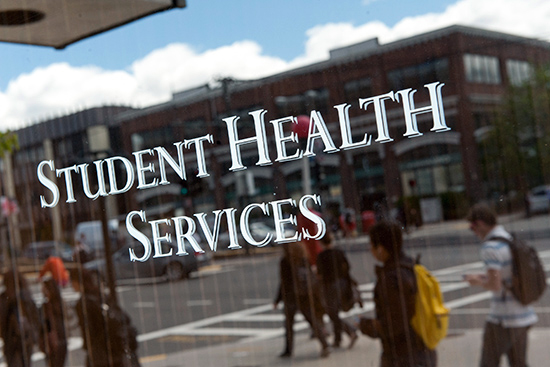
At Boston University, however, students are not expected to overcome these challenges alone. BU offers mental health services through Student Health Services (SHS). Specifically, the Counseling & Psychiatric Services (CAPS) team provides support and mental health services as well as other resources. CAPS is a friendly and safe environment for many international students, allowing them to talk freely about cultural adjustment, loneliness, and academic pressure without worrying about being judged or misunderstood.
SHS also offers student activities every day — such as therapy dogs, crafts, and medications to relieve stress, all of which actively support students’ well-being during hard times.
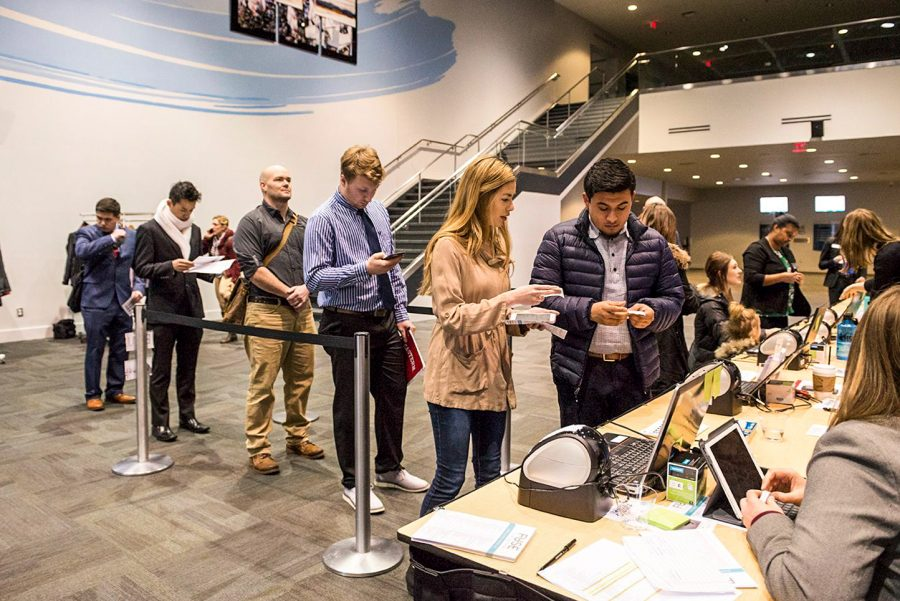
Additionally, student clubs are crucial for interaction opportunities and forming relationships. For example, interest-based organizations, international student associations, and cultural clubs offer relaxed settings where students can connect with people who have similar interests or experiences. In these environments, international students can more easily make friends, share cultural experiences, and feel like they belong on campus.
International students may find their first year in the U.S. difficult, but loneliness is never permanent. Supported by an array of valuable resources at BU, students can gradually turn isolation into belonging.

Leave a Reply