
By Xiuran Hao, Jiani Peng, and Xin Liu
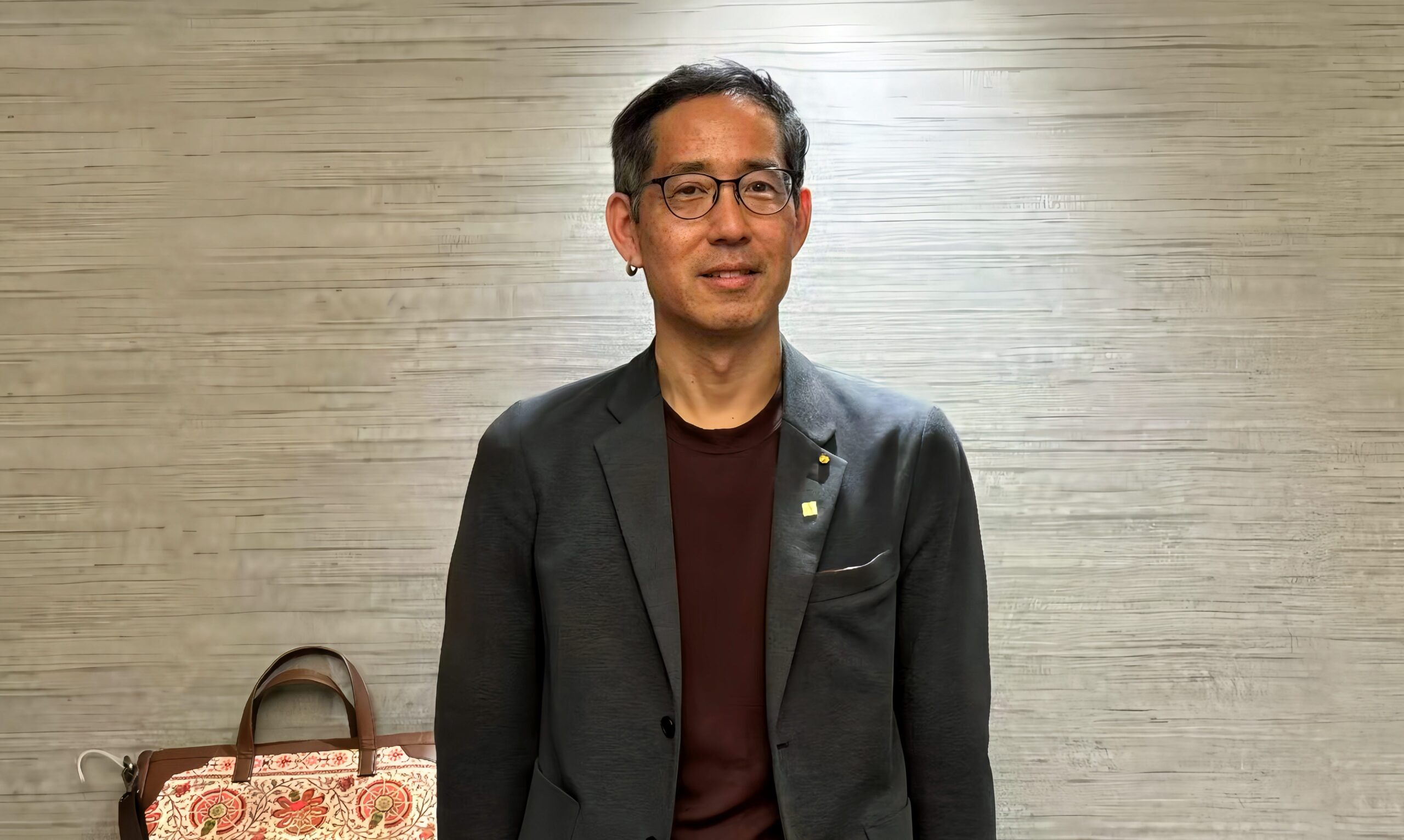
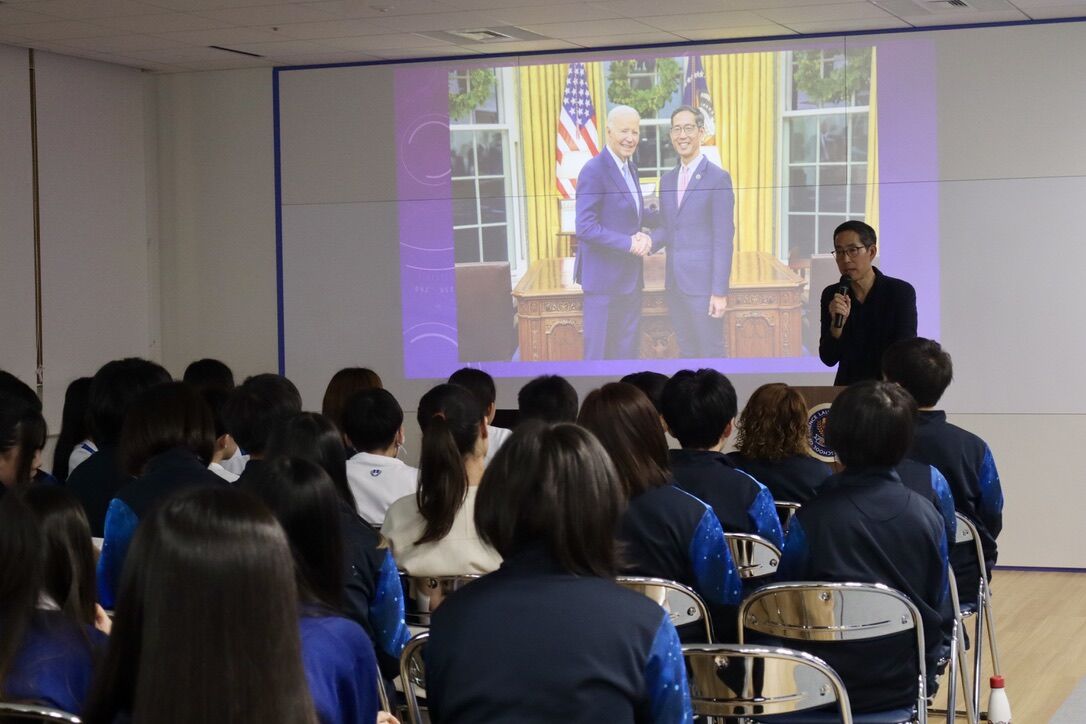
Kei Koizumi graduated from Boston University (BU) with a B.A. in Comparative Political Economics in 1991 and went on to earn a master’s in International Science and Technology Policy from The George Washington University. He served as a Senior Advisor at the National Science and Technology Council during the Obama administration and later became the Senior Advisor for Science Policy at the American Association for the Advancement of Science (AAAS). During the Biden administration, he held the position of Principal Deputy Director for Policy at the White House Office of Science and Technology Policy (OSTP). The BU COMmunicator spoke with Koizumi about the transformation and challenges in U.S. science and technology policy.
During the Biden administration, you served as the Principal Deputy Director for Policy at the Office of Science and Technology Policy (OSTP). How has the transition been, leaving Washington and returning to Boston?
I recently left the White House Office of Science and Technology Policy (OSTP) and am still adjusting to the new environment while closely observing and responding in real-time to the policy directions of the new administration. Over the past few months, I have been transitioning out of my role, and it still feels “very fresh.”
Returning to Boston has brought back memories of my time as a BU student. In fact, every time I come back to Boston, I reflect on those wonderful years. I completed my undergraduate studies at Boston University (BU), majoring in Political Science and Economics. My university experience sparked my interest in policy research. After graduating from BU in 1991, I pursued science and technology policy in graduate school, which eventually led me to work in government.
What were the most impactful science and technology policies you helped develop during your tenure at OSTP?
The Biden administration strongly believed that the government can play a crucial role in artificial intelligence (AI) to ensure credibility, security, privacy, and human rights protection. Similar government-led strategies were also applied in other key areas, including quantum computing, climate change, clean energy, and biomedical technology.
Additionally, during the Biden administration, OSTP continued and expanded policies initiated by the first Trump administration, such as the National AI Initiative and the National Quantum Initiative, as these policies helped the U.S. maintain its leadership in AI and quantum research.
Given the increasing political polarization surrounding science, do you anticipate any challenges in effectively communicating these contributions?
During the post-World War II era, public trust in science and technology was exceptionally high. Scientific progress was widely regarded as a positive force, and there was unquestioned confidence in scientists and their research. However, this trust has diminished over time. Therefore, scientists, policymakers, and everyone involved must improve communication strategies to adapt to the evolving societal landscape.
Today, we face significant obstacles in conveying scientific policy effectively. In the past, the public largely trusted science, but now the political environment has changed. Increased political polarization in the U.S. has led to divided attitudes toward science, innovation, and the role of government in technology policy.
What are the biggest ideological or conceptual differences in science and technology policy between these two administrations?
The differences between the Biden and Trump administrations in science and technology policy are quite pronounced. The Biden administration adopts a government-led approach, emphasizing regulation and public interest protection.
The Trump administration, in contrast, leans more toward a free-market approach, particularly in AI, where they favor a “hands-off” regulatory strategy.
How do you think these differences will impact the U.S.’s global leadership in science and technology over the next four years?
Changes in policy could impact U.S. leadership in science and technology. If the government reduces investment in fundamental research, the country’s global leadership in emerging technology fields could weaken.
Scientific research requires long-term investment, stability, and patience, but many STEM students today, especially international students, feel uncertain about their career prospects. This lack of confidence may hinder many critical research projects and affect the U.S.’s ability to maintain its competitive edge in science and technology.
What concerns you the most about how the Trump administration might handle science and technology policy?
While the U.S. research ecosystem is strong, it is also fragile. Sudden policy shifts could lead to the disruption of many critical research projects, which would ultimately slow down scientific and technological advancements.
Another major concern is the mobility of international talent. Many foreign scientists and engineers might reconsider staying in the U.S. due to policy uncertainty.
“The U.S. has historically been a magnet for top-tier international talent, and maintaining that status is crucial for continued scientific and technological innovation.”
My personal experience highlights this issue—I deeply appreciate the welcoming environment that the U.S. provided, not only for me but also for my parents, who immigrated from Japan to pursue academic careers here. The U.S. has historically been a magnet for top-tier international talent, and maintaining that status is crucial for continued scientific and technological innovation.
Despite political differences, are there any areas where the Trump administration might make positive contributions to science and technology policy?
The first Trump administration did implement some commendable science and technology policies, such as the National AI Initiative and the National Quantum Initiative. These policies were very sound, and the Biden administration chose to continue them.
At this point, it is too early to draw conclusions about the direction of the new administration’s science and technology policies. However, I will closely monitor developments to ensure that the progress made during the Biden administration is not lost.
Click here to know more about Kei Koizumi.




Leave a Reply