
Webb Reflects on a Storied Career Spanning Iconic TV Dramas, particularly “The Last of Us”
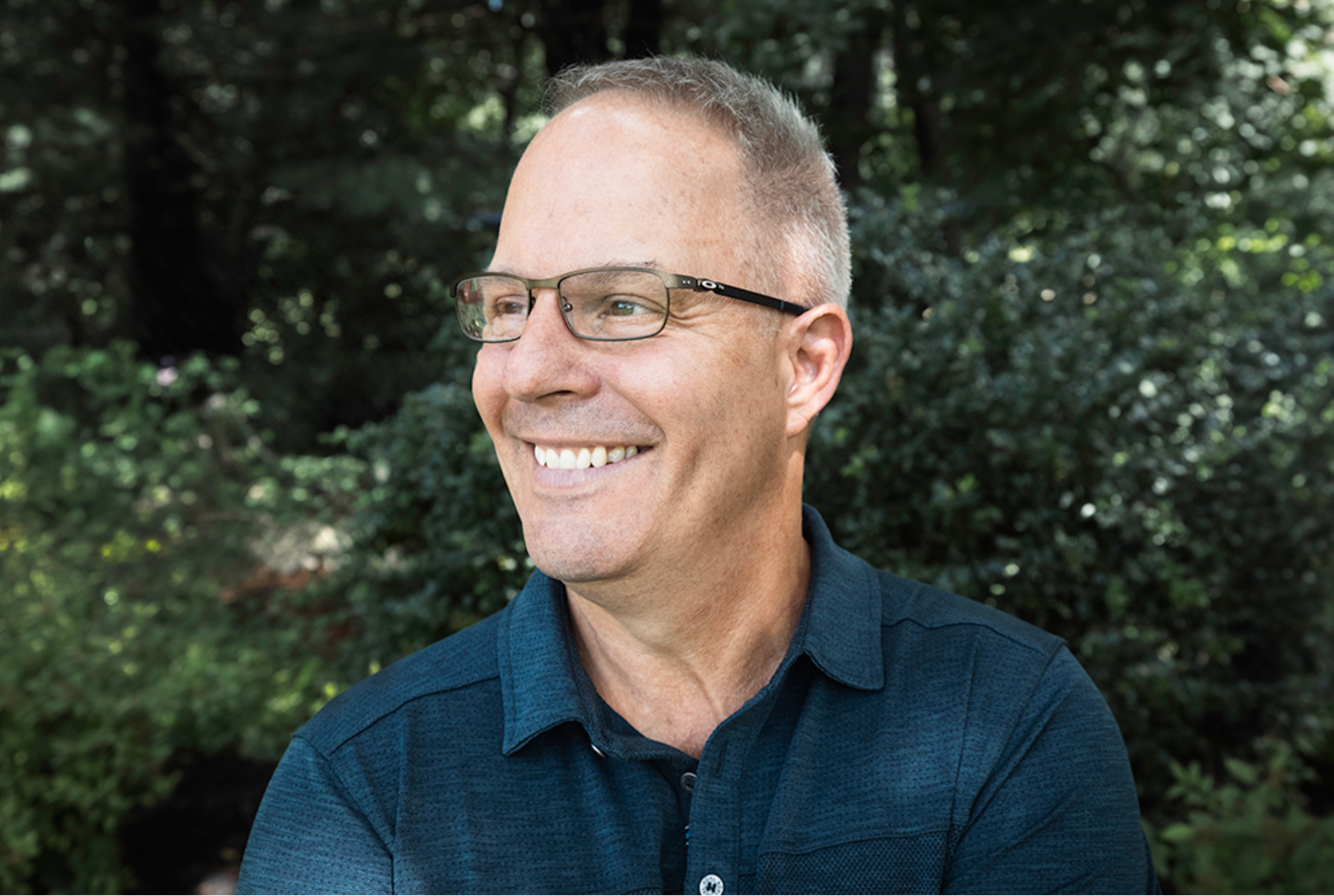
On Feb. 9, director Jeremy Webb, recognized with BAFTA and Emmy nominations, delved into his career, taking viewers on a captivating journey through some of television’s most acclaimed dramas.
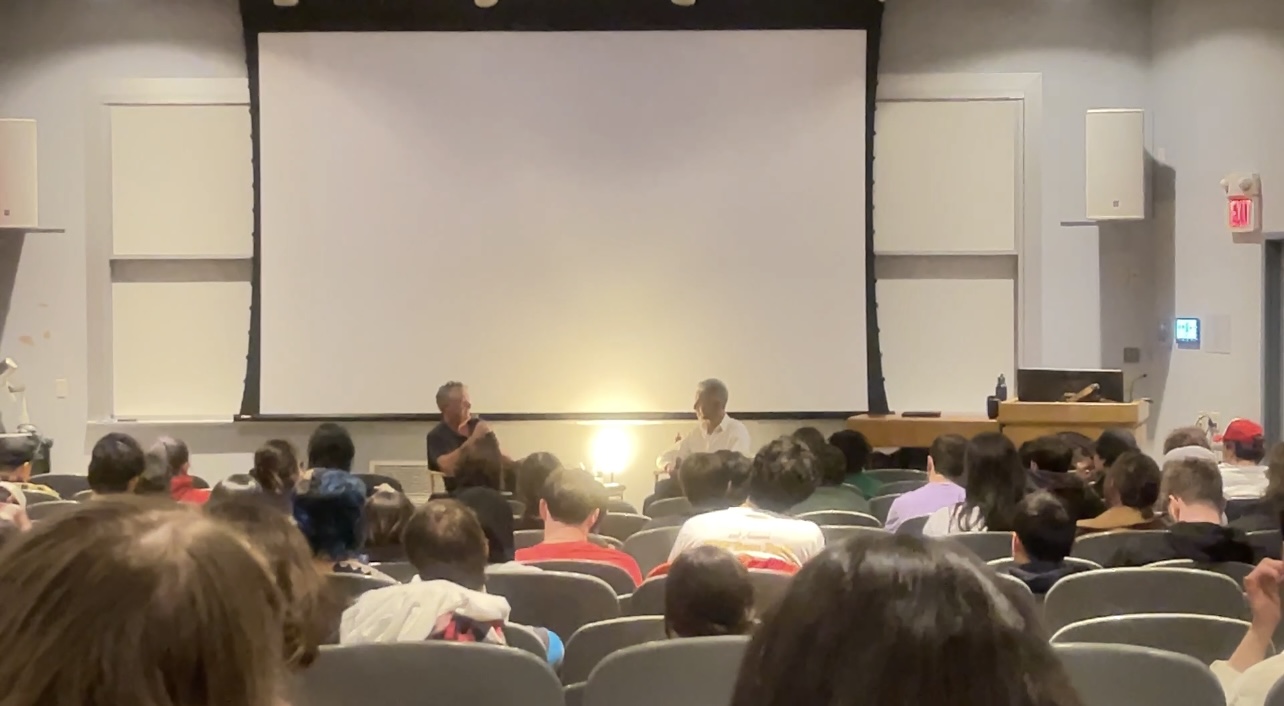
Professor Tim Palmer, a cinematography professor, hosted the insightful conversation in College of Communication Room 101. The discussion explored Webb’s contributions to iconic dramas but also delves into the behind-the-scenes making of the HBO series “The Last of Us.” The event featured a screening of an episode of “The Last of Us.”
Webb’s directorial prowess extends across both sides of the Atlantic, boasting an impressive array of high-end television dramas. His directorial credits include iconic episodes of series like “Downton Abbey,” BBC dramas such as “Silk” and “Merlin,” and standout contributions to “Ambassadors” and “Doctor Who.”
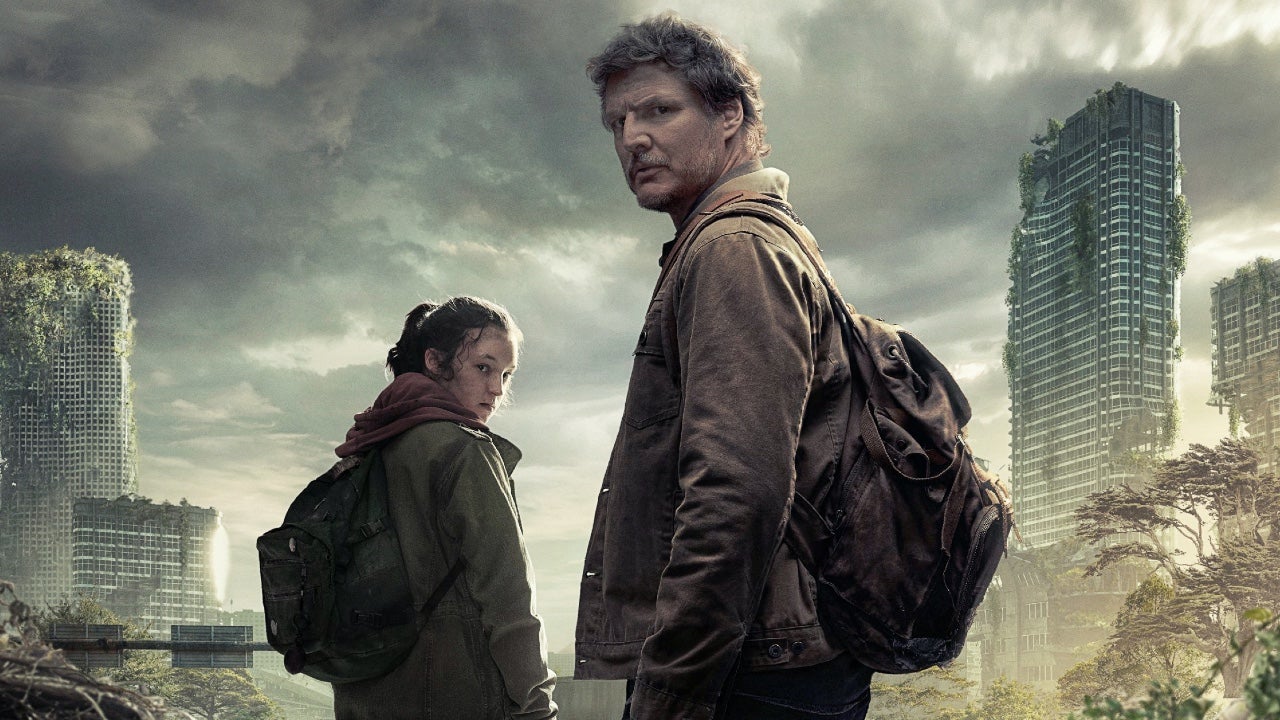
The conversation delved into the prodution of “The Last of Us,” a gripping narrative set in a post-apocalyptic world. The series has received critical acclaim for its gripping storytelling and visual aesthetics. Palmer,cinematography professor, engaged Webb in a detailed exploration of the creative process behind this project.
Q: How did you get involved with “The Last of Us” project?
A: It came from a recommendation by a Canadian producer I worked with on Netflix’s “Altered Carbon.” They mentioned the show, its connection to the creator of Chernobyl, and the renowned video game. Intrigued, I immersed myself in “The Last of Us” before a pivotal meeting with HBO. When I joined, several episodes were already shot. My focus was on making the human aspect work amidst the relentless and bleak post-apocalyptic setting. The scripts had a great mix of humor, and my goal was to ensure humanity and connections shone through the tragedy.
Q: How did you approach directing actors in a fantasy world like “The Last of Us” and handle the challenge of storytelling without dialogue in a scene?
A: The actors were already immersed in the post-apocalyptic world. My focus was on making the human aspects work amidst the bleak setting. Balancing the tragic with humor and exploring relationships allowed for emotional highs and lows, essential in such a heavy narrative. Visual storytelling, especially with no dialogue, requires a collaborative effort. Having exceptional actors makes the job easier. We ensured proper framing for subtitles and developed a unique relationship with a deaf actor, enhancing the scene’s emotional depth.
Q: What challenges did you face during the night shoots on “The Last of Us,” particularly with a deaf actor involved?
A: Night shoots, lasting three and a half weeks, posed challenges, but working with a deaf actor added a unique dimension. CJ Jones, a deaf actor, collaborated closely, signing notes and directions, contributing to compelling performances despite the challenges of the night shoot environment.
Q: In a visually rich series like “The Last of Us,” how do you ensure the balance between storytelling and the visual spectacle?
A: While acknowledging the importance of visual spectacle, I emphasize the significance of solid grounded acting. Without strong performances, the visual elements become mere wallpaper. The combination of compelling storytelling and breathtaking visuals defines the success of a series like “The Last of Us.”
Q: Can you elaborate on portraying humanity in such a tragic setting? How do you ensure the audience connects with the characters in a fantasy series?
A: Absolutely. It’s crucial not to have every scene be heartbreakingly sad. Adding texture to the story allows for highs and lows, providing viewers with a more immersive experience. Balancing tragedy with moments of levity is essential for the characters and the audience to connect on a deeper level. By emphasizing humanity and relatable emotions. Liberty is vital in portraying a tragic setting. If every scene is overwhelmingly heartbreaking, it can wear down the audience’s emotional engagement. Providing a mix of emotions allows viewers to connect more deeply with the characters and the story.
Q: Can you share insights into the meeting that secured the job?
A: During the meeting, I showcase my passion for the project, posed intelligent questions, backed it with extensive research, and injected a bit of humor. The day ended with an offer, marking the start of an exhilarating adventure.
Q: What role did your film school experience play in your career?
A: Film school provided a wonderful environment to make films, learn from contemporaries, and build relationships. The workshops and small exercises were informative. Additionally, the exposure gained from film school projects helped in securing my first job.
Q: What advice do you have for aspiring filmmakers?
A: Find your people, stay true to your passion, and learn as much from your peers as from formal education. Making movies with friends becomes the ultimate ambition. Keep doing what you love, and opportunities will follow.
Q: Reflecting on your career, what inspired your journey into directing?
A: Initially drawn to acting, I pursued film school after a stint in sales. Film school provided the platform to make short films and learn from peers. A chance encounter with the filming of “Alien 3” at Pinewood Studios solidified my passion for directing, setting me on the path to an incredible career


Leave a Reply